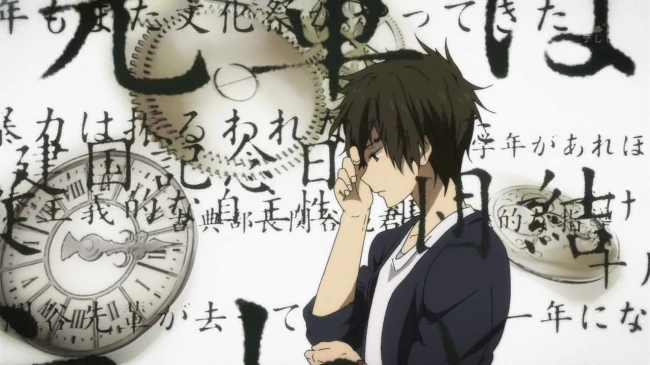
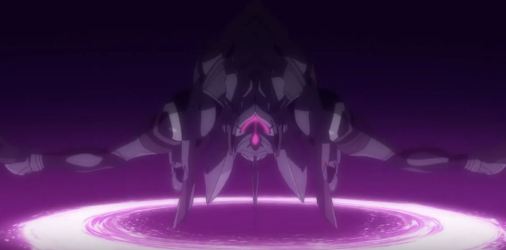
THIS IS WHY WE CAN (NOT) REDO | Comprehensive Review

Here lie my thoughts on the 2012 anime film “Evangelion: 3.33 You Can (Not) Redo,” also known as “Evangelion Theatrical Edition: Q Quickening,” produced by Studio Khara and Gainax, original story by Hideaki Anno. Specifically, this is a bit of a review, analysis, and diatribe . . . thing . . . over FUNimation Entertainment’s February 2nd, 2016 release of the prolonged English dub and translation. Be forewarned, we breech SPOILER TERRITORY, and this post will be rather lengthy and out-of-the-ordinary in comparison to my typical reviews. This compilation will (not) be for everyone, clearly, but if thus far you have enjoyed the musings of Takuto the host as a person, do consider taking the time to carefully read. I would greatly appreciate it.

While my Eva celebration concluded a week ago, I held off on this review. It’s not only hard to talk about from a statistical standpoint, but difficult to pass judgement on an emotional level. I think I’m finally ready to wrap this up, though. No spoiler, I enjoyed myself. However, my voicing of CONCERN for a franchise has NEVER been stronger than what is contained below – And I watched PMMM: Rebellion! For both of us to navigate this wasteland of crushed dreams and abundant thoughts, I’ll be dividing this into sections. Read parts of it, all of it, just the end, none of it – Whatever you’d like.

CG Evas never weighed so little! Also, best soundtrack to date!

This’ll be the easiest area to cover, as the quality of the Rebuild continues to impress. The dynamic perspectives in space, the desolate tone of old NERV HQ, the unbelievable action sequences, that godly piano scene, oh my!! I only hope that the last film (whenever it gets here, *sigh*) doesn’t rely so heavily on CG mapping because seriously, the entire first third of the series (which really feels like its own episode) is all CG, save for the characters. It’s not a bad thing, per say (the Mark.04’s last form looks like a shitty CG fan blade and the Wunder, Misato’s flagship not only lacks explanation for its abilities, but also looks dorky), I just remember when the Evas had so many moving CG parts and details, and now just a black line down the middle can replace that? Um, no. Also, not sure how I feel about the sharper face designs.

Neon Genesis Evangelion wallpaper

Yeah . . . ten-year-old me might have been a fan, but now . . . 
Capture

Unit-08 in the trailer in 2.22


What we actually got in 3.33. Yeah, it sucks.

This was from the trailer (not that we should trust them anymore) for the last film. Doesn’t it look kinda ugly?

And why are they now weightless?? Giant robots are flyin’ all over the place towards the end looking like sprinting drunk fools. Also, do you remember when beast mode was a special thing only Shinji could do in NGE and 1.11? Well, not only can Mari do it (2.22) but so can Asuka now *facepalms*. Is best mode just a gimmick now, because it’s not even cool, neither does it make sense. The animation otherwise is absolutely stunning, and I mean that with every sense of the word! I still hope Khara is saving the good stuff for last . . .

Shiro Sagisu has done it again, that is, knock the atmosphere of EVANGELION OUT OF THE PARK!!! This was probably my favorite part of the entire film, his epic and otherworldly soundtrack elevating the stakes on every scene. While I love the reprisal of his old stuff, his new pieces, full orchestra or melancholic piano, are not something to cast aside. “The Ultimate Soldier,” “The Wrath of God in All its Fury,” “God’s Gift,” and “Scarred and Battled” are all bone-chilling masterpieces. They add SO MUCH to the movie! While at first I was very disappointed with Hikaru Utada’s new ending theme “In the End (or Sakura Nagashi), as the anticipation from the first two blew me away, I have come to delight in this change of pace. As for the English dub, it too is excellent! Not sure why a translation took so long, but hey, the acting is wonderful, and it’s so great to hear Allison Keith as Misato and Tiffany Grant as Asuka once again.

Not the world we thought we knew: Reintroduction and Basic Summary

Following the cataclysmic Third Impact initiated by Shinji Ikari at the end of 2.22, 14 years of undefined strife have passed, leaving the Earth stained red. SEELE, revealed to be nearly crippled by mysterious attempts behind the scenes, has entrusted “World’s Best Dad” Gendo Ikari to carry out the remaining mission of returning mankind to a world free of human suffering and sin: Instrumentality. But Dr. Ikari has anticipated this, and instead proceeds with his own selfish plan of using the Evas to eradicate God in return for a reunion with his wife, Yui, who is revealed to be “trapped” inside the purple Unit-01.

Not all of the adults were very pleased with NERV’s true motives, however, and as a result Wille was born out of the crimson fires of rebellion. Headed by Misato, Ritsuko, three familiar NERV faces, and some new recruits, this “Will” is the only remaining organization fighting for the People.

While a decade and a half has transformed everyone around him (the “Curse of the Evas” preventing Mari and Asuka from physically aging, though), Shinji remains the same old idiot brat. He clearly still hates himself, and, upon hearing that he is no longer useful to anyone he loved AND that he failed to save his beloved Rei, fleets in anguish and rage.

Upon returning to old NERV headquarters, the third child encounters SEELE’s boy, Kaworu Nagisa. The majority of the film develops their intimate relationship, but when even more lies and secrets sneak their way out, Shinji once again mentally teeters on the brink of destruction, setting the stage for the beginning of the end of humanity.

The first ten minutes were fascinating – that space battle entranced me and left me dazed! What was so promising, however, became unexplained motives just for SHOCK VALUE. I wasn’t digging the Wunder or any of Wille’s musings at all simply because I don’t recognize anyone there! I can’t sympathize with something that has no feelings for its viewer! After, when we return to Shinji at NERV, things get a little more interesting but continue without regard to us watching. It was a deadly cycle of WTF after WHY?

This is how felt.

3.33 is set in a world gone to shit. Our favorite mentally-disturbed NERV-lings now grit their teeth and point guns at each other. I understand wanting to shock the individual through Shinji’s dusty reopened eyes, but there is a difference between sudden character development and dun-dun-dun PLOT TWIST. The tonal shift is absolutely effective, but everything just feels wrong with this movie. It’s as if I’m stuck in the worst dream of my life, yet waking up is impossible not because I’m trapped, but because this intangible hope still fascinates me; an urge to scratch an itch.

Despite my love for its previous “Angel of the week” setup and watching the robots fight, Evangelion has always been more than that – It’s an assessment of the human condition, how we cope with loss, and the relationship between troubled individuals . . . With the Rebuild, I almost have to discard both of these beliefs because, after reading the pamphlet the set came with, it read:

“Volume 3 plunges headlong into unknown territory as it presents the viewers with unconventional plot twists that they never could have imagined. At the same time, it brings together all the story elements as “Shinji Ikari’s Story.”

That second bit could possibly explain the entirety of this new direction. It’s “Shinji Ikari’s Story” now, not necessarily being about the others. Shinji’s new development is much less noisome compared to the original. That might be a plus for some, but for others (NGE fans) the choices he makes and the unexpected backbone grown feels even more disconnected than before. He’s suddenly able to save chicks and initiate Third Impact just by going berserk, which makes NO SENSE considering that Third Impact is a ritual of sorts contained with the Dead Sea Scrolls. Then you want us to believe that Third Impact was prevented, yet it still managed to destroy the world?? What the hell?! 3.33 is more emotionally invested at the cost of its linear storytelling built by the first two films, and that investment is totally dependent on ridiculously high stakes timed with over-the-top action sequences – NOT character mentality. I want my real characters with real problems back, not heroes saving princesses.

Familiar faces . . . or are they?

I’ll get right to it. I hate this new Misato. The Misato that we’ve come to love from the previous two films would have understood Shinji and tried to comfort him like a mother. At the end of 2.22, she even remarks that he shouldn’t care about the rest of them or the world. “Do what you think is right” coaching. The only subtlety of her kindness is when she refuses to detonate the DSS choker around Shinji at the end of the first third. That part makes sense, but THAT’S ABOUT IT. It doesn’t help when she, being a main character in the first two films, gets a combined 5 minutes of screen time, if that. I despise those who keep comparing this series to the original, but we were cheated out on the beautiful relationship between Kaji and Misato. It was one of my favorite moments from the show that dives into the complex mind of NERV’s bossy gal.

And Ritsuko, HOLY GOD WHERE IS YOUR HAIR?!?! Like Misato and the rest of the crew, no explanations as to what occurred during that 14-year gap were given. In the original series, this would’ve been the point when Ritsuko fought with her past – her mother. While the absence of Misato and Ritsuko’s stories isn’t world-crushing for fans of the original series, it would be such a disappointment for someone who only knows of the Rebuild. At this point, Misato and Ritsuko are just hot husks for shock value, and that makes me cry.

Don’t even get me started with Asuka and Mari. At this point, they’re both in it just to say they were in it. Asuka is mad at Shinji and continues to bring the best fights in the entire franchise. Wow, that’s new. Had I only watched the Rebuild, I wouldn’t have even thought that she suffered from acceptance issues by her mother, and that the Eva is the only way of showing how awesome she is. Want to know why? BECAUSE WE DON’T KNOW IT! It’s that stupidly simple!

And Mari, oh poor Mari. She gets 2 minutes of screen time standing in the background sniping things that DIDN’T MATTER IN THE SITUATION. She’s clearly back up for Asuka at this point, but god is she unappreciated. Also, her psychologic state receives zero background, adding nothing new here. It only adds fuel to the fiery debate that Mari is pink fan-service that serves no purpose in the Rebuild. Is it sad that I’m starting to side with them? I feel disoriented with the Rebuild’s characters, much like Asuka spinning around in the dark loneliness of space.

As for Touji’s sister Sakura and the other old/new recruits? Either give us more than 10 minutes of Wille interactions or don’t add them at all. To quote the new Misato, “You do nothing.” Interestingly, for as much that explodes in our faces, 3.33 is the shortest film in the series. Would 20 extra minutes of integral building on Asuka, Misato, Mari and the others have helped the movie? You bet your sweet ass. This is yet another reason why I feel so cheated on by 3.33.

. . . Rei fans? Not anymore . . .

Ignorance of the hedgehog

SHINJI IS FOR ONCE A RELATABLE CHARACTER. If you woke up after a 14-year-long coma and everyone wanted to wring your neck – yet not tell you why – How angry and disoriented would you feel?? Shinji has every right to storm out of the Wunder. Wille did NOTHING to better the situation. By leaving Shinji in the dark then getting mad at him and scolding him, of course he’d be sick of it all! He didn’t intend to destroy the world, let alone do it a second time at the end. Why doesn’t someone inform him? Kaworu tried, but he’s too cryptic for Shinji to understand. Fuyutsuki told him about his mom, but this information only explains Gendo’s motives – NOT what he has done “wrong” as a human.

Finding love in a war-torn world, A “fanfiction come to life?”

Sittin’ in the cock . . . pit.

That’s right you KawoShin fans, here’s the part you’ve been waiting for. The film takes on the emotional side of the franchise, especially the pinnacle of Shinji’s depression: The rejection of others and the loss of a dear friend. 3.33 invests more emotional build up through this pairing and the opposition that Shinji is once again faced with, though this time feeling more artificial. In a world where no one will accept Shinji for whom he is anymore, seeking refuge with a new-found friend was the happiest thing for me. I was ready for the movie to end when they were tangled up in the magic of music, THE MOST beautiful scene in the entire movie in terms of emotion – I dare say of the entire Rebuild. I fangirled HARD. Kaworu filled the holes (in more ways than one *wink*) left after everyone’s betrayal and gave the first child a purpose for still living. More than that, he gave Shinji a friend. He needed that. The DSS choker, bearing the weight of sin, is taken by Kaworu, which signifies that atonement can be achieved through hope. “What was caused by an Eva can be fixed by an Eva.”

The HOPE for rebirth is out there . . .

I read a comment on YouTube a few days ago:

“Don’t worry Shinji, Rei’s got your Walkman, Asuka’s got your hand, Mari’s got your back, and between them they’ll eventually talk Misato around.”

The only problem with this is lovely statement is that in order for Shinji to cope with his depression in this route, the radio has to be left behind. It is, in short, the unwillingness to open up; the grudge against a cruel world and his father; a pact with solitude. I have a strong feeling that we won’t be hearing the next track in that same old player – It’ll be something new and full of hope because it HAS to be. 3.33 leaves us with Shinji, Asuka, and Rei (no Mari, see, even Anno doesn’t care anymore) ready to traverse the bloodstained wasteland. By themselves. No one else. This is very exciting!

The Rebuild has given up on coping with issues like depression and loss. That much is clear. Instead, it goes for a more conventional theme: Hope. 3.33 ends with neither closure nor satisfaction, and that is very frustrating. If EVERYTHING is explained and built upon in the fourth installment, then cool, this is a masterpiece. But that is highly unlikely. The Rebuild doesn’t need to look back at this point. The stage is set for the final act, and its heading is definitely fixated forward. In its third chapter, we were thankful that the ROE was focusing all of its energy on cohesively developing its main character, “Shinji Ikari’s Story.” Sadly, this comes at the incredible cost of its other leads and a cohesive plot. I fear more than anything that these great sacrifices and risks won’t be worth it.

Consider me shocked and impressed, but I’m not at all comfortable with these new developments quite yet. The Rebuild of Evangelion is still in the closet (with this film, in more ways than one). Not a whole lot was accomplished, as yet another step in Gendo Ikari’s ever-expanding, world-deconstructing plan was fulfilled, and it only leaves us on another verge as to what will ‘impact’ us next. Though it has blinded us with myriad shades of red, it has yet to show us its true colors. What will unfold? Only God knows.

– Takuto, your host
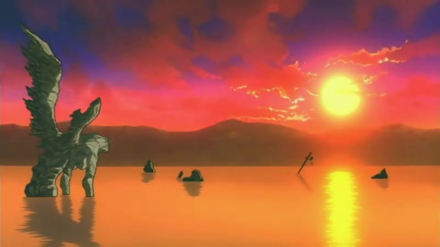
Evangelion’s Rebirth isn’t so Sweet after this Disposable Death | Review

A review of the spring 1997 anime movie “Neon Genesis Evangelion: Death & Rebirth,” produced by Gainax and Production I.G, based on the original story and series by Hideaki Anno.

 – View in browser, not app, for best experience –

I knew I would be disappointed with this film just by hearing all of the negative feedback it received. Now, would I have sent Hideaki Anno death threats? Lord, no, but I can understand why Death & Rebirth, despite its critically-acclaimed impact on the series, is often – and should be – skipped. To those who haven’t seen it, you’re probably thinking, “Why pass up more information to a series that lacks much explanation as is?” That’s because Death & Rebirth offers absolutely nothing new. Zilch, save for interspersed musical quartet scenes, a one-minute firsthand account of the Katsuragi Mission, and pretty half-way credits moment.

The following song just reminds me of all of the sh*t these poor kids went through. It’s sad, really:

The “movie” is actually two episodes: one 70-ish minutes and the other 30-ish minutes. Part one, Death, is a shotty recap of the first 26 episodes of the original Neon Genesis Evangelion.

Instead of taking the typical approach of sequential order used by most recap episodes, Death jumbles all of the scenes up and attempts to sort them out by characters. That’d be like saying, here’s 20 minutes of Asuka, followed by 10 minutes of Rei, then 20 minutes of Misato, etc. It fails incredibly, however, due to having inconsistent rhythm, nonsensical ordering, and honestly, all of the “meh” scenes from the original series. While I understand going for a psychological approach to sort of line everyone’s emotional patterns, flaws, and triumphs up, that doesn’t mean you cut out all of the quality combat scenes that made Evangelion a fan-favorite.

I always thought this was going to be Death & Rebirth. WHAT IS THIS ARTWORK FROM?? That Angel looks B.A.

By the way, over 90% of the film is REUSED ANIMATON from the series. Wait, what?? The only new thing Death brings to the table is those lackluster quartet scenes mentioned above. Kaworu on first violin, Asuka on second, Rei on viola, and Shinji behind the cello. Even though we don’t get to see them play (cue typical Evangelion black screen and text), the film merely putting classics like the “Canon in D” or “Air” in the background, the assigning of their instruments speaks for itself. Don’t get it? Here:

Shinji Ikari, cello. First to arrive, set up, tune, and practice Bach’s “Cello Suite #1,” a soothing piece which weaves notes on all four strings together; arpeggio (yes I’ve played it, often overhead in media, but whatever). The cello is the closest string instrument to the human voice. Specifically, some say it was modeled after a woman’s — a mother’s voice. Shinji pilots Unit-01, which we all know by now contains the essence of his lost mother. The cello is a mirror to Shinji’s desire to be with his mother again. Also, it’s the only instrument in a traditional quartet that you can hide your chest behind.

Asuka Langley Soryu, second violin. Second to arrive, cheerfully giving Shinji a “good morning call,” unpack, tune, and burst out the first few bars of Bach’s “Gavotte in Rondo,” a busty and springy song full of independence and repeated melody. Want to know why they’re called “second violins?” Simple. It’s because they’re not first; that is what Asuka has been struggling with since the beginning – Always trampling over the competition with a fierce façade, yet falling so short in the last second.

Rei Ayanami, viola. Third to arrive, set up, tune, and wait patiently to start. I can’t remember what she practices (if she even did so), but she plays the viola, an instrument that has been joked about for centuries because it’s nearly impossible to hear. It’s shaped like the violin – an imitation, a clone, much like Rei herself – but it harbors the same strings as the cello. Remember that warm and fuzzy mother feeling I was talking about? Yeah. Starting to see the connection?

Kaworu Nagisa, first violin. Fourth and last to arrive, set up, tune, and become ready to play. I also can’t recall what he practiced, but the instrument speaks for itself. It’s the first violin: It guides the group, provides cues, gets all of the high licks, and impresses us most upon first glance. Kaworu was only around for an episode or two toward the very end, yet his impression not only on Shinji but the audience as well enraptured viewers. SPOILER: Kaworu is not only the last to show up in the film and to quartet practice, but is also the last angel. He’ll literally fly higher than everyone else, whether that’s over the planet or in the music. It is through his death (his final cue) that the show can ascend into its final stage.

Then there’s a 5-minute intermission which plays “A Cruel Angel’s Thesis” on acoustic guitar and another track from the original series . . . Yep, a real freakin’ intermission. That sh*t just made me laugh.

Rebirth, the second half (last third), is actually the first half of the film The End of Evangelion. As such, you should skip this copout and head straight on over to that masterpiece following your Evangelion experience!!

Supposedly, the animation and sound quality in Death & Rebirth is a huge improvement over the original series. I neither saw nor heard a difference, SOOOO, for those interested in my thoughts in those areas, please check out my review of the original series!

I get what Death & Rebirth was supposed to be: a grand compilation of the psychological sides of the main characters meant to “butter you up” for the true end. But it FAILS MISERABLY, and as such I only recommend it to EXTREME fans of the franchise. The content was great, but its presentation just doesn’t do the original series a bit of justice. The playing of Pachelbel’s “Canon in D” by our favorite quartet of psychologically-scarred NERV-lings was a nice end to Death, but since they aren’t actually animated performing (and it’s a crappy compilation), I’m not even going to personally rate it. Instead, I’ll be leaving Neon Genesis Evangelion: Death & Rebirth in the “Breads” section of the café NOT because it’s necessarily bad, just disposable for non-fans. Did I like it?

Let’s just say that in my case, more Eva is a good thing. A wonderful thing.

As always, I hope you found my thoughts interesting! Until the next part of Eva-Week, this has been

– Takuto, your host

GJ Club is BOTH Silly and Relaxing? “Gooood Job-buu!”

A spoiler-free review of the 12-episode winter 2013 anime “GJ-bu” or “GJ Club,” produced by Doga Kobo, based on the light novel series by Shin Araki.

 – View in browser, not app, for best experience –

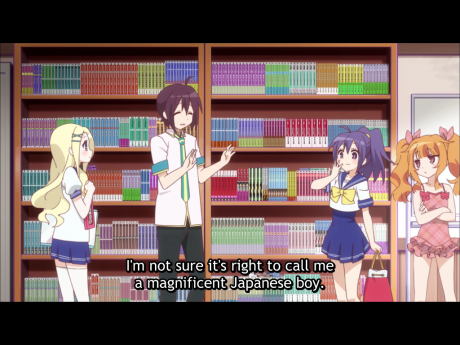
Assume for the moment that this is an anime about a poor boy engaging in harmless games at the expense of a group of totally-pure high school girls. When demons from the underworld aren’t wreaking havoc amongst high-school kids or when bras and boxers aren’t being violently stripped from these fine teens, you have, in this situation, a school-life harem. These cookie-cutter shows are the dreams of many anime fans. I mean, could you imagine a world where after school you hung out in a homey club room with your best friends to discuss the trivial gimmicks of school life, or perhaps spend the entire afternoon eating cake, drinking tea, and playing games?

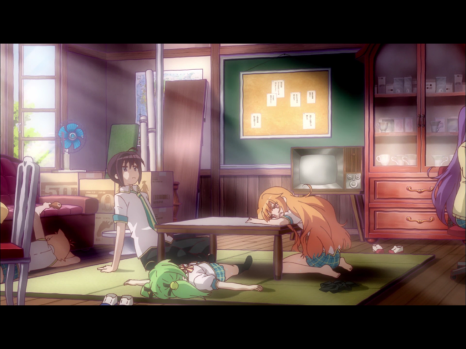
Last time I played this game was in elementary school. Stubbed my toe pretty bad, too.

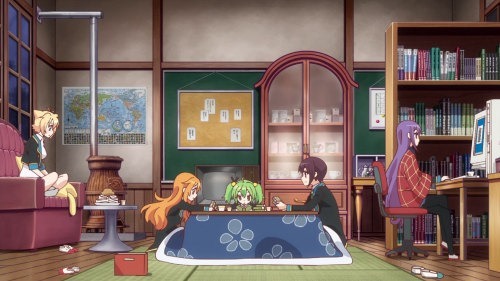
Well, that’s what we do in the “Good Job-bu” club, or the GJ Club for short. Its mission is known to none – that is, if it has one – and it inhabits a decently-sized room in a former building of the school. But today is different for this seemingly pointless gang of ladies: Shinomiya Kyouya is kidnapped forced to become a new member – and he’s a boy.

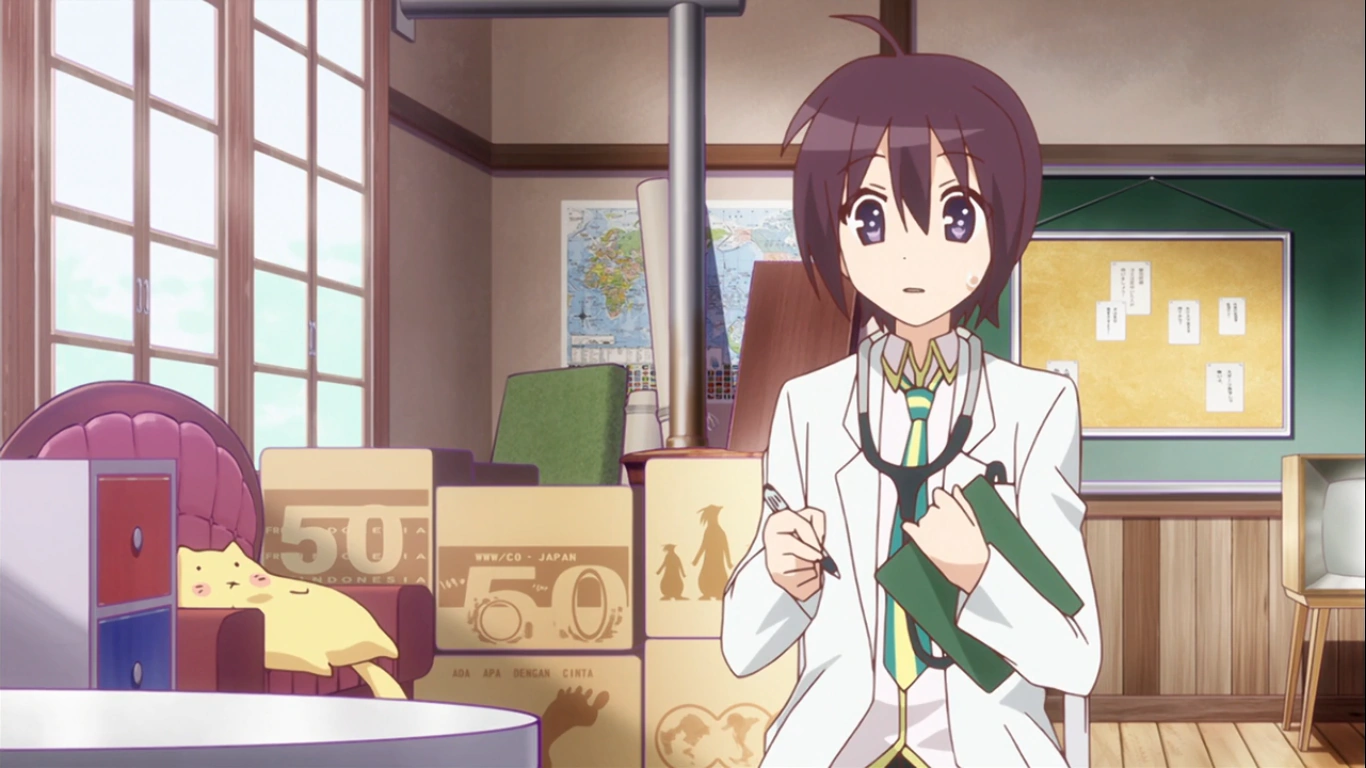
Paging Dr. Kyoro . . . Yeah, you know what’s up.

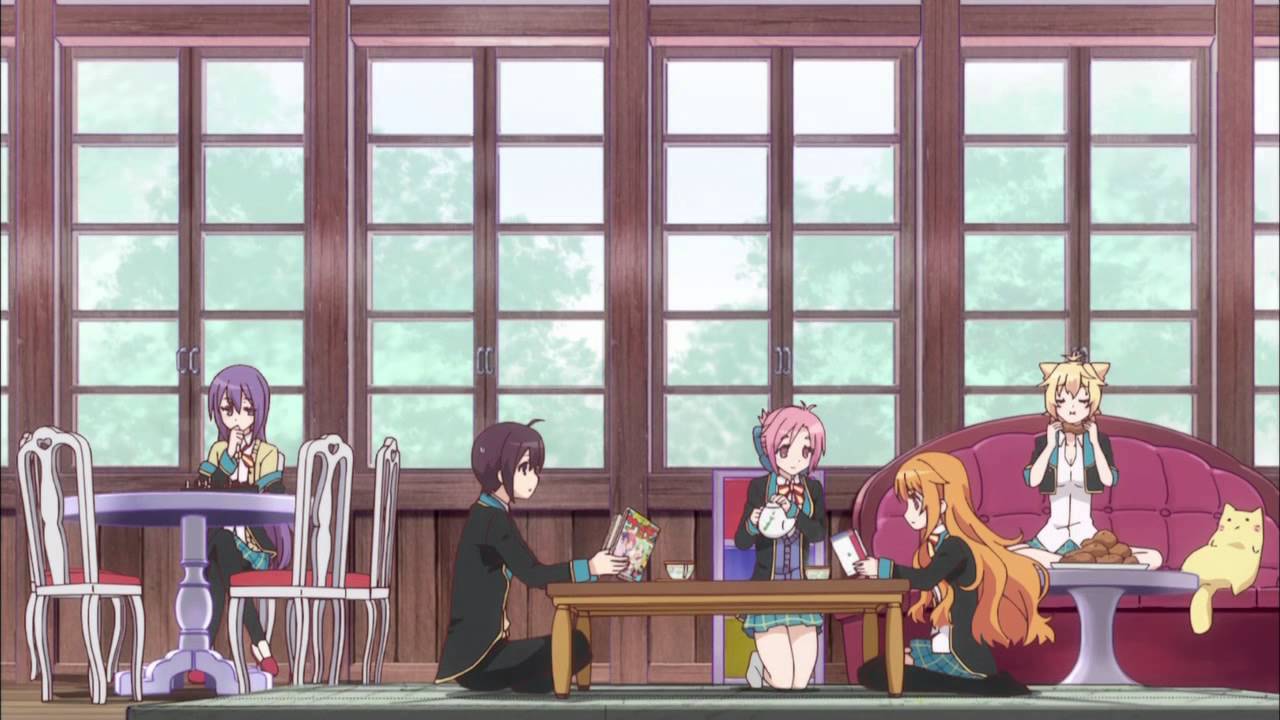
Each episode of GJ Club begins and ends in the club. Sooooo what is done in the club room stays in the club room. But there’s nothing sinister about it! There is no record of home life or how they act during class. Also, despite it being a harem, it’s neither romantic nor erotic in any sense, never going past that boundary of “what just happened?”

And that is exactly what makes GJ Club the ideal slice-of-life school anime.

They play wacky games, eat tons of meat snacks, read manga; the whole package. As for story . . . . Unless the moral was to enjoy time with friends before high school life is over then there is none. AND THAT’S OKAY. Funny and consistent with its environment, the anime is merely a lighthearted reenactment of our favorite anime tropes. Enjoyable because of the dumb stuff they do and their reactions to it all, but very average in story, characters, and even animation.

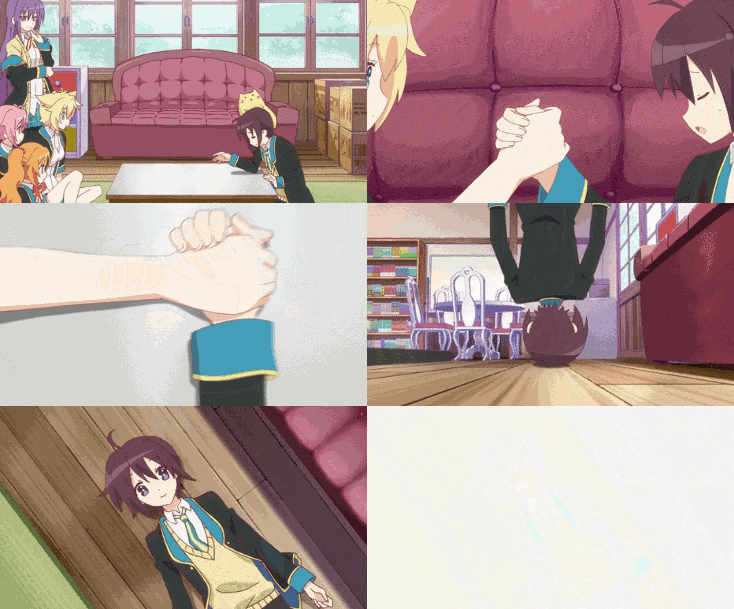
This anime doesn’t do anything to challenge the stereotypes. We’ve got the short tsundere club leader, Mao; the overly intelligent yet lacking-common-sense cool rich girl, Shion; the pink-haired airhead, Megumi; the girl who thinks she’s an animal, Kirara (yes, she is a foreigner); and the bratty little one that no one likes (Tamaki). There is also a plentiful batch of token little sisters for those who enjoy hearing “ONII-SAN” five-hundred goddamn times. Watching Megu struggle and obsess over her weight was unintentionally hilarious, though. Same with Kirara’s uncanny strength.

Arm+wrestling_9d36eb_4723495

Best shit in the entire series

image2

image3.PNG

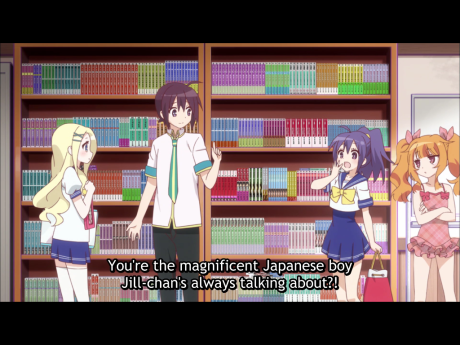
Modesty. The women folk love it.

I suppose the lead boy is a little more interesting, if only he actually developed throughout the series! Nicknamed “Kyoro,” he remains the only male in the club, not that his status as such matters. You see, he is constantly ridiculed as cute or feminine, regardless of that just being his innate politeness when it comes to dealing with women. The fact that he prefers shoujo manga over the more popular mecha and “boku” as his title rather than “ore” doesn’t help his case. To add insult to injury, however, he admits his talent of being able to deal with those of the feminine persuasion, which partially stems from the routinely brushing of his little sister’s hair. And how do the other girls react?

“Baka! Just brush it and get it over with – it’s not like I asked or anything!”

“Shinomiya-kun, would you be as courteous as to demonstrate on me? I am . . . curious.”

“YAY! Your brushing is so cute!” ~<3

*after taming a wild beast*Purrr purr, this is nice.”

“Hey, WATCH IT! It’s MY turn next!”

Me: *eternally bangs head on desk until it bleeds*

Commence: POWERFUL HAIR BRUSHING

The sparkling studio Doga Kobo did the animation for GJ Club, and though it’s nothing spectacular, it should be noted for its consistency and colorful, bright atmosphere – Specifically in the clubroom and the perky hair colors. The eyes take the signature “bubbly anime eye” to the extreme and I always found them weird to stare into. With this anime, however, atmosphere is more important, and I can rest in peace knowing the ideal clubroom was captured in brilliant light and warm tone. Leaving that room on the last episode was the hardest part.

image1
Hot as balls. It happens.

I honestly can’t recall the soundtrack for this anime, but it is not bad without a doubt. I shouldn’t stress something that didn’t stand out. So I won’t. The opening, “Mousou★Koukan Nikki” by Otome Shinto, is my favorite song from the series. Those first ten seconds of sass and choreography of the characters walking towards the clubroom was just awesome! It’s such a happy song!!

If I were to squeeze out a negative, it is that despite how quirky and fun they seem, characters like this will never exist in real life because they are so heavily rooted in these anime clichés. If you do manage to find a group of friends like this (and actually don’t find them annoying), then that’s great. But maybe that’s why this show appeals to me so much: GJ Club provides the after school family I always wanted, but probably will never have. It’s very sad to hear and take in, but hey, it is, after all, just an anime.

GJ Club is a slow anime – I dare say unexciting half the time – but that works in its favor. It draws out unusual comedy, never taking things to far, and milks those scenarios for all they are worth. If you just got finished with the new crazy shounen anime kids are raging about today, or the most depressing romance you’ve seen to date, and are wanting something to give you breath, do consider GJ Club. It’s silly, colorful, and very relaxing.

“There are two types of people in this world. Those who fan, and those who are fanned.” – Mao Amatsuka

+ Ideal slice-of-life school comedy with consistent direction and environment

+ Very relaxing anime to watch after something heavy; nice palate cleanser

– Does nothing to challenge the popular anime tropes

There we go! Had you even heard of this anime before I brought it up? Yes? “Good job-bu!!!” No? Well now you have a pleasant way to spend your afternoon. The entire series is available on Crunchyroll for FREE, yet sadly has not yet been licensed and released in the U.S. GJ Club can be found in the “Coffee” section of the cafe, but don’t let that discourage you from hitting it up. Did you enjoy the review? Let’s talk about it down below (feel free to hit like button to let me know)! Until next time, this has been

– Takuto, your host

Beautiful Bones: An Elegy To Those Indeed Trapped by the Past | Review

A spoiler-free review of the 12-episode fall 2015 anime “Beautiful Bones -Sakurako’s Investigation-,” produced by TROYCA, based on the light novel by Shiori Ota.

 – View in browser, not app, for best experience –

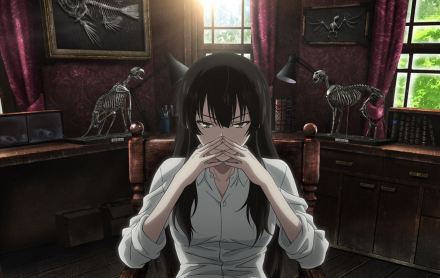
Deep in a grove in Asahikawa City, Hokkaido, is the estate of one incredible woman. Due to the greenery blocking the mansion’s front, however, it’s quite easy to pass this place without noticing. That is, unless you are a bored high-schooler looking for something . . . different . . . something out of the ordinary to buy his time. Well folks, average boy Shoutarou Tatewaki meets this incredible ojou-san, but is her mysterious and haunting aura just a facade? I mean, she loves sweets just like any other person and it’s not like she can talk to the dead or anything – She does collect bones for a living, though, and her ability to analyze specimen, alive or dead, is quite impressive . . . But as you know, curiosity is never kind to the cat, for this “Shounen” must now tag along with Sakurako-san, uncovering corpses at every bend in the road! Don’t worry, though:

He doesn’t mind . . . In fact, he might be in with love her.

Beautiful Bones is a mystery anime without a doubt. But there’s an air to each of these episodic moments that doesn’t allow us to get “too deep” into things. Rather, each episode or two is a light mystery always involving a body because these kinds of grim things attract Sakurako-san. The story builds its cases off of familial relationships, be it a husband escaping death, a mother protecting her kids, a grandmother who just needed more time . . . They truly are feel-good mysteries, and once Sakurako and her boy solve them, you can’t help but feel remorse for those unfortunate souls that lost their lives. Because this familial attachment exists, and the victims aren’t random people off the streets, the anime doesn’t necessarily need high-strung thriller drives to pull off a good mystery. Thankfully they are interspersed throughout its run, but honestly, some of them made for rocky pacing at times.

Looking at characters we have our “Shounen” from which the story is told through the eyes of. He’s your average, dutiful citizen, commonly calling the cops before Sakurako-san can steal a treat for her efforts (talk about giving a dog a bone). The anime appears to hold some sort of romantic development based on the poster alone, but not much happens. I view Sakurako and Shoutarou’s relationship as a metaphorical sibling one, anyway. Sakurako, as the over-arching story progresses, seems to have been through tragedy with a kid similar to this boy, and as he slowly accepts her hobby of bone-collecting and knack for finding bodies littered throughout town, she opens up to him bit by bit. All this boy wants to do is figure out what makes his Sakurako-san click, and he’ll continue to be enraptured by her long obsidian hair and haunting gaze so long as she lets him.

Viewers obviously fell in love with the ojou-san. Sakurako-san is definitely unique – Not only as an individual in the story, but interesting compared to all characters I saw in 2015. Firstly, she’s an osteologist, one who studies bones. Clearly she loves what she does, assembling and displaying magnificent structures of deceased creatures she has collected over the years. Adding to her oddities, she also likes blaring screamo rock music when she drives, has a mad passion for sweets (which BTW will make her squeal like a 4th-grader), and she won’t hesitate to whistle at a person’s toes which she consumes as fantastically unusual . . . yeah. A bit rough around the edges, old-fashioned, snarky, deviant, and obsessive, Sakurako is the ojou-san of the decade! She is the Victorique to my curious Kujo ^.^

There is also a clumsy but kind cop, a school friend who holds regret in her heart, a plant fanatic teacher, a grandma who humbly bakes tasty treats, and a cursed family dog. A nice batch of supporting characters, they are. If Sakurako is the skull and Shoutarou is the sphenoid, then this group makes up the hearty backbone.

dessert

Other than “mystery” being listed as its genre, the other factor that made me dive into Beautiful Bones was the entrancing animation done by TROYCA. They did some work on the characters in ALDNOAH.ZERO, which I am personally a fan of. So to see them tackling a project all on their own made me really excited! I specifically loved the critical designs that went into the house: the emerald wallpaper, the old wood texture, the embroidered carpeting, and of course, those beautiful bones. Sakurako’s initiation sequence into a case (cue glove snapping) was also quite enchanting. Just in general, Sakurako anything was to die for.

There were many elements in the sound department that won me over. One was the voice acting done by Shizuka Itou AKA Sakurako-san. She did a phenomenal job at capturing her snarky yet occasionally sadistic tone I mentioned earlier. I also liked the sound effects that accompanied the little moments: rattling bones in a box, flipping through pages, and that signature glove snap of hers – YES to all! Third was the soundtrack, which unfortunately has so little info about it that all I could find was the song below. I left in the animation sequence version just to get you going! The opening, “Dear Answer” by TRUE also got me in certain ways.

Just watch her go . . . and be amazed by the music! LET IT CAPTURE YOU

One last theme that Beautiful Bones hits up on is regret – “the feeling of sadness, repentance, or disappointment over something that has happened or been done.” Nearly every episode introduces a character holding regret next to guilt. Sakurako, for instance, keeps secrets from the boy regarding a certain tragedy that occurred in the past, which she regrets. Another more obvious case is the teacher, who seeks repentance by _______ ______, in hopes that they would make up for the lives he couldn’t protect. If there’s one thing that this anime taught me, it’s that “Time doesn’t heal all wounds, and if we act in the moment, we can prevent regretting things,” or something to that extent.

Bones are not only the symbol showing that we died, but also that we lived. They solidify and prove our existence. That said, the mysteries that unravel in this series focus more with coping for those that were lost. “How they died” is always the grand question, but Beautiful Bones clings to “Why they died, and what were they thinking before their life was taken?” It is, after all, as its opening statement remarks at the start of each episode:

“A Story Dedicated to Those Trapped by the Past”

Thus, it wasn’t designed to be a hardcore Sherlock mystery series to begin with. All stories have a beginning and an end, life and death, and though this anime might ring or remain flat with you, Beautiful Bones -Sakurako’s Investigation- provides interesting counselling to those indeed trapped by the past, and is more than worth the look if you are still wondering why your grandma wanted you to pick up some ice cream before you came to visit her.

“There are things that have value because they’re pointless, you know.” – Shoutarou Tatewaki

+ Sakurako-san is ojou-san of the YEAR, very peculiar, unique character

+ Capitalized on themes of familial loss, regret, and living life in the moment

+ Very entertaining mystery series

+ CHIC animation, clean look, nice textures, charming character designs

– Yet another light novel adaptation, meaning WE NEED MORE SAKURAKO

– Varied pacing and contrasting slice-of-life with thriller was a bit rough, though still enjoyable

So who else thought that Sakurako-san was BAE AF?? Also, have you given this anime a look yet? If not, check it out on Crunchyroll for FREE if it’s available to you! I am eager to know your thoughts on this mixed-bag mystery anime as well as any thoughts about my review :3 If you’re out and about and stumble across a corpse – Don’t panic! Who you gonna call? Sakurako-san!! Until next time, this has been

– Takuto, your host
 

Rokka Ushers in a Fresh and Bloody-Fantastic Fray | Review

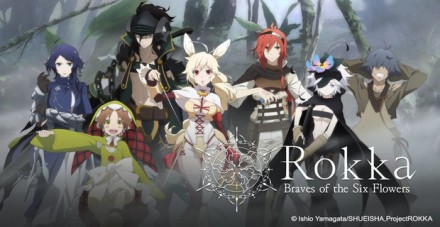
A spoiler-free review of the 12-episode summer 2015 anime “Rokka no Yuusha” or “Rokka: Braves of the Six Flowers,” produced by Passione, based on the light novel by Yamagata Ishio.

 – View in browser, not app, for best experience –

Whenever you’re out driving, do U-turns scare you? Oh man, they do me in. Usually swift and unannounced, what was the car ahead of me casually cruising along suddenly burns rubber and whirls around to oppose me.

So maybe I’m dramatizing U-turns a bit (also, they’re probably illegal in most areas), but doesn’t that abrupt 180-degree flip potentially ruin a nice drive? Well, if the other driver knows exactly how to pace it, direct it, and drive it on home, then no, not at all.

That’s what Rokka here did, and boy was it a spectacular turn.

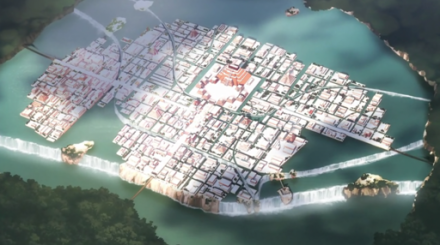
setting

This setting is gorgeous.

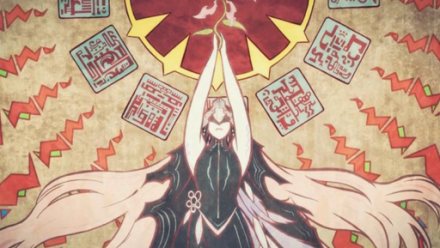
Long ago when the Demon God plagued the world with darkness, the Goddess of Fate came down and sent the demon back into the shadows – Not before splitting her powers amongst six heroes, though. Now in a present-day yet still fantasy-Aztec land, the Demon God has awoken numerous times, only to be quelled time and again by new rotations of these “Heroes of the Six Flowers.”

legend

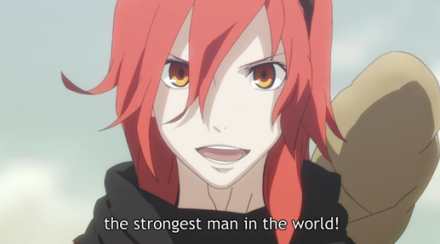
adlet.PNG

See? Not lying at all.

The self-proclaimed “strongest man in the world” Adlet has been selected to be one of these six braves. To prevent the Demon God’s next return, the six heroes band together and venture into the dark lands in hopes that they will save the wor–

Woah woah, slow down there. It sounds like a feasible action/adventure anime thus far, but right after episode four, it’s time to slam the breaks – Rokka wants a complete change of pace. What happens to our heroes?

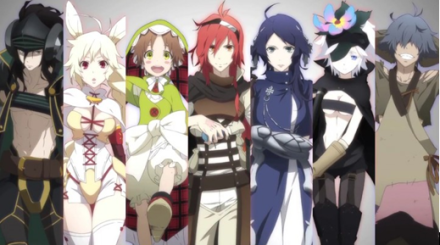
Nothing. All seven meet up at the rendezvous point before plotting their attack. Wait . . . I thought there were just six braves . . .

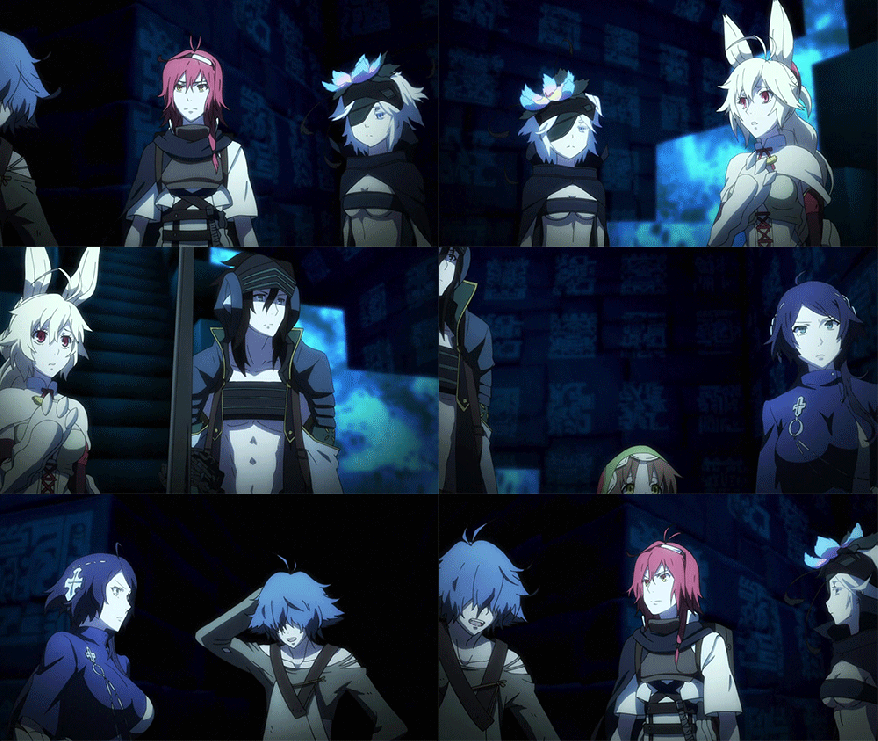
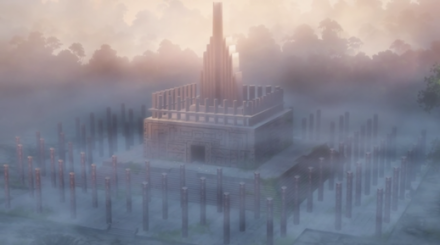
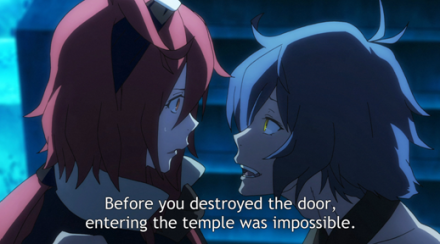
There are. A magic barrier goes up around the temple, thick fog fills the air, and everyone is trapped in. Someone is an imposter

seven not six

If that’s not a 180-degree flip, then I’m not sure what is (I get chills just reading it). Rokka spends the first third showing off its heroes and their skills as such. It acts like your normal fantasy anime but then decides to try something new. The introduction of mystery to the fantasy/adventure genre is something I’ve never seen before. And through its fresh direction and pre-establishment of the cast, it moves forward without hesitation.

squad goals.PNG

Squad goals.

The sheer amount of suspense that Rokka builds up is absolutely incredible. Its clever hashing-out of your typical fantasy party members makes it a hot game of Dungeons & Dragons runnin’ around on the Clue game board. You wanted adventure? Not anymore. Take this murder mystery instead because it’s cooler. The gimmick works so well because we know these characters – All we have to do is roll the dice and start throwing accusations. You’ll have so much fun watching your options drop out as the game soars to its climax.

temple.PNG

Spooky spooky ~ Who is the Seventh???

As a side note, I was a bit spoiled by the identity of the fake, but even that didn’t faze me. Seeing how all of the clues slid into place and watching the insanity unfold gave me more than my fill of entertainment. The anime still kept me guessing to the very end, regardless of those damn trolls. That goes to show how exciting Rokka is.

hans.PNG

I have to mention the studio behind this anime because their name was completely new to me: Passione. I was 100% impressed by the superb animation quality and fantastical artwork. Due to the unusual yet intricate designs of each hero and their unique repertoire of arms, action scenes were bloody intense and wicked smooth.

fremy

nachetanya

“I am the bone of my –“ Not now? Oh, okay.

For music, we had the reoccurring yet beloved fantasy artist Oshima Michiru (FMA, Sora no Woto) who filled the still, foggy air with an engaging score. Of its many OPs and EDs, my favorite was “Secret Sky” by MICHI for being everything I listen for in this wonderful genre.

https://www.youtube.com/watch?v=lf13gKeZOW4

With puzzling motives, characters we’ll all recognize, and shocking plot twists at each episodes’ end, Rokka no Yuusha was without a doubt 2015’s hidden gem. The only reason you don’t remember this title was because you stopped after episode three.  Rokka‘s not without its flaws, however: Some less-major characters could have used more backbone, the opening is admittedly a bit slow, but biggest of all – This is ultimately only a preview into Rokka‘s grand scheme, and as such leaves us with jaws dropped begging for a sequel. I hate this. Don’t worry, we still get an ending that ties all of this up, but for those wanting to know how the legend ends better start supporting the franchise.

You should watch Rokka: Braves of the Six Flowers because it’s something new. It takes a wild idea and runs hella far with it, leaving you clinging on for your dear life! Fans of the adventure genre especially won’t be disappointed with Rokka‘s new entry to the fray.

“That’s the first thing my master taught me. To laugh.” – Adlet

+ Despite being abrupt, fantastic new direction taken with strong, clever writing

+ suspense, Suspense, SUSPENSE

+ Studio Passione did an incredible job putting everything together

– ‘Supporting’ heroes could have been given more background, little more depth for all

– Unfavorable localization (Ponycan’s ridiculous prices without an English dub)

– Cliff-hanger ending = WE NEED MORE ROKKA, DAMMIT

poster

Now, I’m still cautions with those U-turners, but Rokka really impressed me guys. It’s a solid “Caffe Mocha” in this little establishment, but again, you should spread the word so we can eventually devour more! You can watch the entire anime on Crunchyroll for FREE if that site is available to you, to which I recommend “full speed ahead.” I only cry because Ponycan USA is releasing this epic without a dub. If you took a liking to my tentatively new and less-wordy format, let me know by hitting that “like” button and commenting below. It helps me immensely! Thank you all for reading and as always, until next time this has been

– Takuto, the Seventh Brave

Sora no Woto, How Oh~So Sweet the Sound

A spoiler-free review of the 12-episode (+2 OVAs) winter 2010 anime “Sora no Woto” or “Sound of the Sky,” produced by A-1 Pictures, directed by Mamoru Kanbe (original work).

In the outbreak of world war between namely Rome and Helvetia, Kanata Sorami was saved by an enchanting trumpeter who appeared to her like a goddess. Years later, 15-year-old Kanata, still driven by the savior music, enlists in the 1121st Platoon of the Helvetian Army to learn not to fight, but how to play the bugle. This particular all-female platoon is located on the edge of “No Man’s Land” in a tiny town called Seize, however, and as a result becomes the butt end of a joke, isolated from combat and mocked by other platoons and even townspeople.

This doesn’t faze the lackadaisical girls, though. Instead, through Kanata’s cheery smile, they seek sounds of joy and beauty even in a world ravaged by war.

I already know the first thing you’re probably wondering: Rome?

Why yes, Rome.

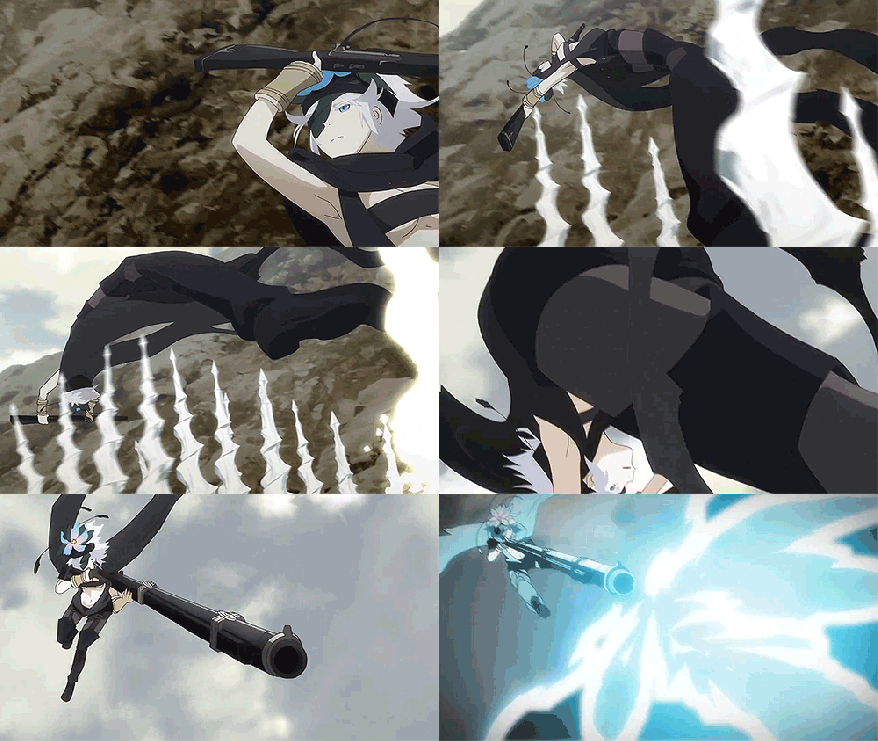
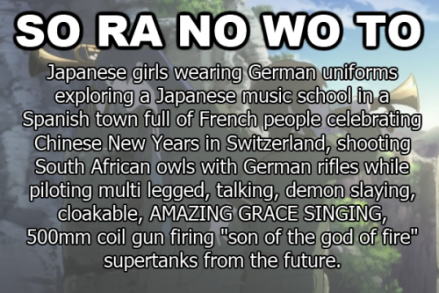
Sound of the Sky is set in a post-apocalyptic world where that “No Man’s Land,” hundreds of miles of desert wasteland, presumably dominates most of the continent – Perhaps even the world. What we zoom in on is the budding town of Seize and its Strike Witches-esque vibe minus all of the, well, boobage. Clearly, the story is set in the future, as both armies pilot giant spider-like mechs and tear each other to shreds. Plus, Japan is but an ancient culture by now. What’s interesting is that the overall tone and use of technology is reminiscent of WWII, heck, even WWI.

tumblr_matmobGDJN1rsgwamo1_500

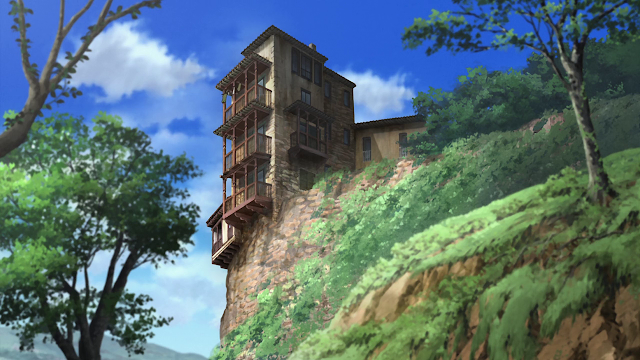
And that’s when this anime strikes a favorite ambience of mine. The “Old Ruin Dystopia.” It’s a term I invented for European-inspired worlds where, despite the obvious advances in technology, people still cling to old-fashioned devices and living (no offense to Europe, that’s just how the architecture looks). Familiar settings include Castle in the Sky, Fractale, Megaman Legends (not an anime, but it fits) and very few others. Call it what you will, but the concept’s interworking with not only the setting but with the characters, too, is what truly makes this a kind of utopia for myself.

Sora-no-woto-so-ra-no-wo-to-35066926-500-281

The 1121st is not a platoon, but rather a family considering its lax position. Commanding officer Filicia Heideman functions as the squad’s mother, being at times aloof yet completely wary of the moods of others. Sergeant major Rio Kazumiya AKA 2nd-in-command would be the metaphorical father of the family, whipping the other girls into shape yet with a compassionate demeanor. Private Kureha Suminoya is the easily-flustered and strong-willed “younger sister” that begs for attention but is easy to talk to. Meanwhile, Noel Kannagi is that “younger brother” who, although always falling asleep, is both smart and supportive. That leaves Kanata, the runt of the litter whose optimism is overwhelmingly contagious as she tries her hardest to progress in trainings – Athletic and musical.

The gang’s all here, including warped owl-kun

BEEPBOOPBEEEEEPBEEEEEE . . . don’t worry, my private lesson teacher had the same face

The structure of the story manages to round out each of the characters wonderfully, even placing backstory for each girl logically within the plot. They might be based on regular anime tropes, but WHO CARES? Contrast between these fine women works brilliantly in the military theme, while the personality also uplifts many pleasant slice-of-life moments. These characters just work in Sound of the Sky’s favor!

‘Moe’ is one word to describe the animation, but ‘lovely’ is a better one. Characters are drawn up in that slice-of-life firsthand look, which is odd coming from A-1 Pictures. Regardless, their naturally pure look and moving flow gives them an adorable aesthetic quality that helps lighten the mood. CG combat with the tanks was also pretty badass. Even better yet was the astounding scenery of Seize and its neighboring land, like wow! The atmosphere established in the animation department brings out those rare moments where no words could describe the enchanting landscape.

And yes – An anime about music is complete with a fantastic soundtrack provided by Michiru Oshima! Her rendition of “Amazing Grace,” albeit not my favorite song, was made most appropriate for this anime. The rest of the score encompasses heavy string and lute tunes with solo trumpet that are all equally enchanting. Music has not made me so emotional such a long time, however, until “Servante Du Feu,” a French ballad, played during the most impactful moment of the show (episode 12). Guys, it’s a feels trip.

But we can’t forget the reason I got hooked on this anime – the opening, “Hikari no Senritsu,” and I’m proud to announce, my all-time favorite Kalafina song! If an opening had ever fitted its show so well, it’s right here! Rich and bold, yet delicate as a flower at the same time. Not to mention, its animation depicting the girls in the goddess garb is hauntingly beautiful. Ending theme “Girls, Be Ambitious.” by Haruka Tomatsu also deserves a shout out for being so radically upbeat!

soranowotodanceSound of the Sky, through the tragedy of war, remains a tale dedicated to finding beauty in music and friendship even during desperate times. It shines in revealing how music can really change the world and empower minds to overcome the toughest of challenges. Though the characters might slide you by, the ambience of the show is unforgettable. It’s a shame that it leaves us believing there is so much more for Kanata and friends, but what we got is – without a doubt – a phenomenal anime. Don’t let the obscurity of this title slip by – Its message of peace is simple, powerful, idealistic, and full of heart. So much heart . . .

“Hey, Rio. You were asking if there was some meaning in this world. When I was the only one who survived, it was all I could think about. Why had I, alone, survived? What did it mean? And I realized, I’m sure there’s no meaning in this world. But isn’t that wonderful? That means you can find your own. And I’ve found mine. The meaning to my being here . . .” – Filicia Heideman

+ Characters guide the show and its message fittingly and passionately

+ “Old Ruin Dystopia”ambiance established perfectly

+ Quality of scenery is astonishing

+ All music nails the atmosphere

– Poor localization (no Blu-Ray nor English dub)

This one stole my heart. Let it steal yours by watching it for free on Crunchyroll! Just know that if you own that Limited Edition 2011 version released by Nozomi I’d be willing to trade my SOUL!!! That’s right, if you want Takuto’s soul, just send LTD ED moe soldiers my way. A “Caffe Mocha” whipped with happy and sad feels. Thank you for reading! I’ve nothing more to say. Enjoy your day 🙂

– Takuto, your host

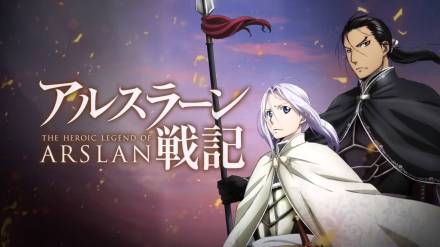
Arslan Senki, When the OP/ED is Better Than the Actual Show

A spoiler-free review of the 25-episode spring 2015 anime “The Heroic Legend of Arslan,” produced by LIDEN FILMS and SANZIGEN, based on the manga (story) by Yoshiki Tanaka.

Undefeated King Andragoras rules over the flourishing kingdom of Pars with a firm grip through his mighty Royal Capital, Ecbatana, a city structured around a slave system that fuels the royal palace. However, the baby-faced prince Arslan, a wide-eyed and curious boy, knows deep down that he does not possess the same iron fist that his father, the King, leads with.

Pars Era, Year 320. At the tender age of 14, Arslan sets out on his maiden battle at Atropatene only for everything to go up in flames. Ecbatana falls to the Holy Lusitanian Empire, an enemy not only smart on the battlefield, but one that follows their all-empowering god “Yaldabaoth.” The youthful Arslan witnesses bloodshed of his people and the capture of his glorious Ecbatana. Arslan quickly flees the war mounted on the steed of his faithful knight, Daryun. It is at this moment that Arslan’s destiny is written in the stars, and through the help of his new followers and friends, he will rise to reclaim his golden capital no matter the cost.


At its core, this anime is about growing up and finding the courage to lead, and it pulls this decently enough. Arslan is faced with countless tasks that he must overcome before he begins his reclamation: Inviting members to join his party, establishing his force, rebuilding his army, seizing a base of operation – those are his main goals. But there are many bumps in the road for the poor blue-eyed prince. He must first find his drive to fight, his charisma to keep others around him, and lastly, his ethical approach to war. All of this ties into leadership, and through the guiding pen of Narsus, the master tactician, Arslan’s ideals become clearer.

Arslan Senki is set in a world based on past historical cultures, and I can proudly say has it done its research quite well. Although I’ve never been out of the country [yet], its portrayal of distant desert lands are captured in such a rich manner that I feel as if I’m actually sitting on a silk cushion in bright banquet room watching minstrels and men get heavily drunk!

You must not forget that Arslan is a fantasy. The magic may only be sneaking in the shadows (receiving no explanation whatsoever), but it’s still there. And since there is a hint of magic, it seems that the anime takes the typical fantasy copout: “It’s magic. I ain’t gotta explain sh*t.” Know that it works in mysterious ways, charming characters in the background, but it’s not the main focus. That’s on our characters.

Wait, what? No. Go home.

We’ve already talked about Arslan; decent kid, fair development, a bit bland, but not a poor character. Following Arslan right by his side – both his sword (javelin-thing) and shield – is Daryun. Daryun’s loyalty to his “prince” is admirable by many and his strength is unmatched – even by those in foreign lands. When he is not speaking to his prince, Daryun chats with Narsus, an old pal of his from back in the day. The two share conversations of strategy and wit, a combo both deadly and humorous. Just don’t bring up Narsus’ side-hobby of painting. Really, don’t.

Hey buddy, that’s what I thought

The other two I enjoyed were also fine warriors in their own rights. Gieve, a whimsical “traveling musician” who can skillfully wield many weapons and the chill Farangis, a muscular yet enchanting cleric and master of the bow which whom Gieve proclaims his love to. Although they are somewhat a gag duo, Gieve neither siding with Narsus nor the enemy half of the time, they receive very little backstory (specifically Farangis) – which is the biggest disappointment. I would have sacrificed ten Arslan balcony-contemplation scenes for one Farangis side story if I could.

That’s right. Slip and slide outta that room Gieve, you perv.

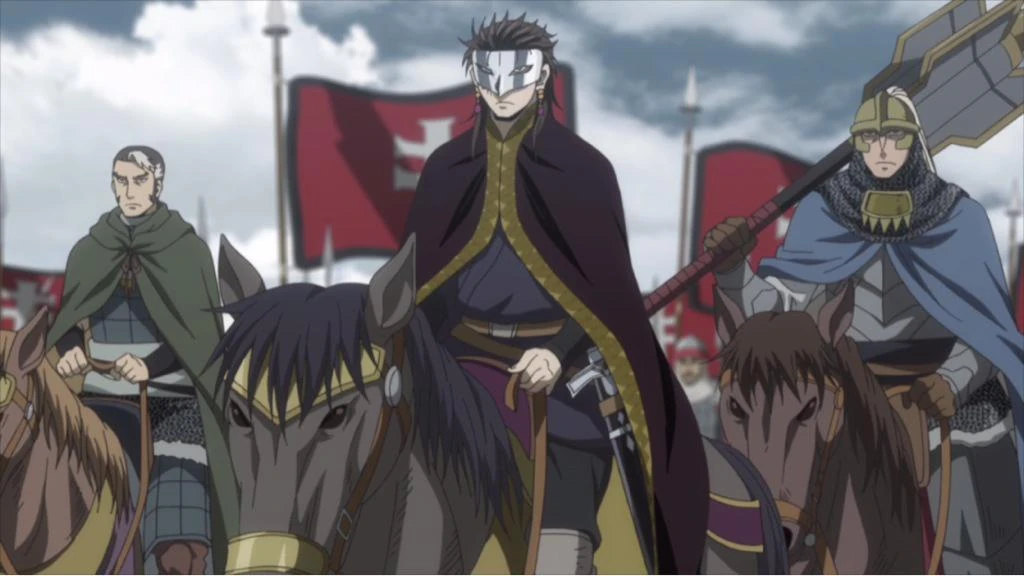
These adventurers along with a couple others compose Arslan’s force against lord “Silver Mask” (oh the cheese, it hurts), an incredibly skillful brute who is after Arslan’s head for some reason . . . Among the challenges that Arslan faces, this is his toughest one yet! This man is what triggers Arslan’s moral conflict. I won’t say much, but it was an intense endeavor for the crew to keep away from this madman.

Too bad NO ONE knows who you are even without the mask

Now, if you’ve thought that up until now Arslan Senki was an A+ for me, you’re incredibly mistaken. The entire show is one sloppy quest, and here’s why:

They say adventures are all about “the getting there,” and that the resolution just happens to tie loose ends. But Arslan Senki doesn’t give us either of these things! Instead it drags on for 25 boring episodes of pointless side plots doing FLIP that take far too long to resolve – Speaking of, IT DOESN’T END. Spoiler alert, but it doesn’t. Instead, we have Arslan and the gang mounted majestically, waiting to take back the kingdom until blah blah blah “here’s a season two B.S. announcement because we couldn’t get our crap together in the first.” Seriously, WHAT!?

Yuck

More yuck

Don’t even get me started with this anime’s production value. It’s TERRIBLE. I’ve had enough of CG-gummy army men, retarded-angry horses, and derpy Arslan faces to last me enough time to figure out the secrets of “Silver Mask” and overthrow Pars THREE times over. The animation is extremely inconsistent, relying on its few high-budget fight scenes and opening animation alone, and it really drags the show in the mud. You know it’s bad when you can tell where the money went in each episode. Art may look pretty, but for the love of Yaldabaoth DO NOT get this show in motion!! It’s so IRRITATING.

Heavens, I find that very hard to believe

Why do those horses look so . . . evil?

why do they go to the dark side

No seriously, what the hell IS that??

23WCsqc

“Yes, he’s supposed to be killing that horse.”

And now for the music. Does it fail epically like its visuals? Well, slap UVERworld, Eir Aoi, and Kalafina in the same anime and you tell me. The first opening “Boku no Kotoba de wa Nai, Kore wa Bokutachi no Kotoba” by UVERworld is pretty darn solid, and the second, “Uzu to Uzu” by NICO Touches the Walls has that quality “second half” feel to it. Once you hit Eir Aoi’s ending “Lapis Lazuli,” however, you’ve entered my top 5 endings. If Arslan is remembered for one thing, it’s gonna be this song (that moment when the OP/ED is better than the show). Lastly, Kalafina brings all under their graceful wings with “One Light,” the second ending, giving us some air of conclusion to grasp onto.

I’ll give Taro Iwashiro’s soundtrack props to filling out the fantasy-adventure tone enough to immerse me in the setting. No tracks in specific to highlight, but being supportive is all I could ask for with this shambling show.

So whoopty-freakin’-doo, there are my thoughts on The Heroic Legend of Arslan, or more accurately titled, The Heroic Legend of Asslan, pardon my French. Unless you are an absolute diehard fan of the fantasy-adventure/war drama genre, then throw this one out with yesterday’s garbage. We don’t need it, and certainly not a flippin’ sequel. That’s bullticky. Now if you’ll excuse me, I’m going to go find Farangis’ cult and burn crosses in Lusitanian yards.

“The throne itself does not have a will of its own. Depending on who sits in it, it can be the seat of justice or it can be the seat of inhuman cruelty. As long as it is a man, and not a god, doing the governing, he can never be perfect. But should he neglect to make efforts to reach for perfection, a king will surely tumble down the slippery slope towards evil with no one around to stop him.” – Farangis, and amen at that

+ Arslan’s main troupe, though a bit lacking in development, comes across as a pleasant party

+ All openings and endings were the only features keeping me attached to this show

– IN-CONS.ISTENT. ANIMATI-ON.

– Sloppy execution of story, not enough character spotlight, specifically for Farangis and Arslan

– So much wasted potential in all categories, ending was unsatisfactory

For the café rating, it’s average even during its best moments. Did anyone else feel disappointed with this anime? If you had other thoughts, I’d be very interested to read them, but otherwise charge into the like button if you found my “spittin’ fire” on Arslan at all amusing. “Yashasuiin!” I won’t lie, if felt darn good to hate on something since all I do is spread cheer about shows. And right as I return, I must bid you all farewell again, so until next time, this has been

– Takuto, your host

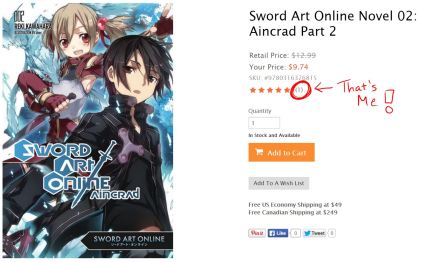
Sword Art Online Novel 02 Mini-Review & Chance to Win $50

Evening all,

For those who get the RightStuf.com emails, you would know that recently (or at least I noticed recently) that each month they apparently raffle off $50 as a giveaway incentive to those that write a review for a product in their store. All you need is an account (FREE and easy to make), but if you shop there regularly, then you probably already have one! All you have to do is follow their instructions that I’ve listed below. Be wary that there is a character limit – That bit me in the rump. Anyone can enter. Simple as that!

rightstuf50

I make this announcement because their system just caught wind of my Sword Art Online Novel 02: Aincrad Part 2 mini-review, and I had just double-checked to see if it was posted in their store. IT WAS! I can’t believe that I’ve just embedded myself into the RightStuf system, but I’ve done it, and there’s no going back – It’ll be there FOREVER muahahaha! If you’d like to check out my mini-review over the product, CLICK HERE. Maybe it’ll inspire you to pick it up yourself! I’d be overjoyed ^.^

But that’s all I’ve got for now. Stay tuned for a review of The Heroic Legend of Arslan or Sound of the Sky, whichever comes first! Who knows, maybe something else random will pop up and I’ll have to brag about it XD. Have a wonderful Friday tomorrow, and until next time, this has been

– Takuto, your host

Want a FOODGASM? Enter the Food Wars!

A spoiler-free review of the spring 2015 anime “Food Wars! Shokugeki no Souma,” produced by J.C. Staff, based on the manga by Yuuto Tsukuda and contributor Yuki Morisaki.

I like to cook. Granted, I’m no master chef, nor do I really know what I am doing half of the time, but I find enjoyment in starting the rice cooker and chopping up some lettuce. Lather on some soy sauce and you’ve got yourself some tasty stuff. In fact, I’ll be right back . . .

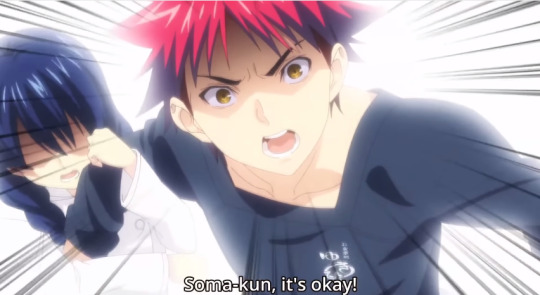
*with mouth full of food* Now wheh wur we? Oh, wat’s wight. Food Wars!, baby! PREPARE YOUR ANUS FOR ALL THIS ‘FOOD PORN.’

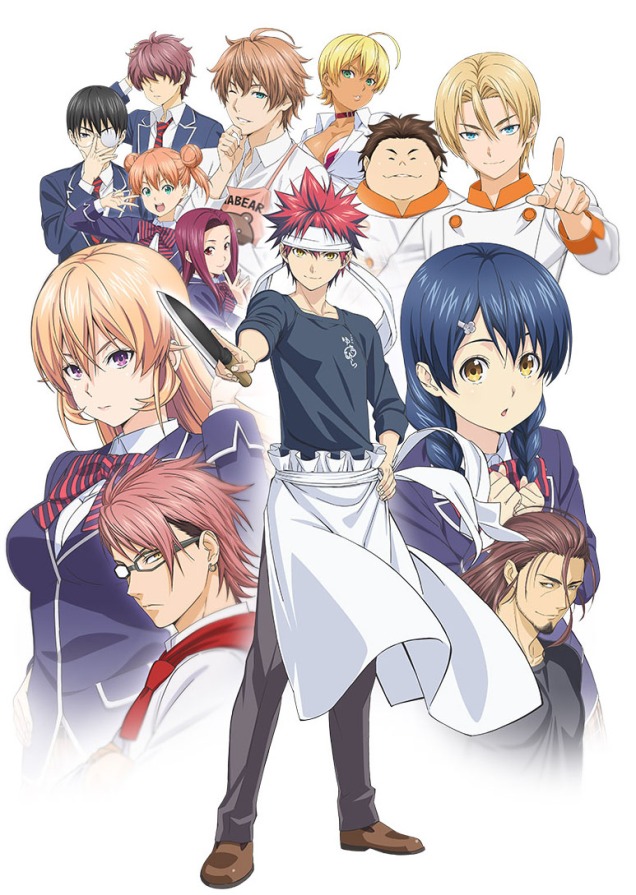
Shokugeki no Soma centers on Yukihira Souma, a 15-year-old practically raised in his father’s local Japanese restaurant so that he’ll one day take over the family business. That’s no fuss for Souma because he loves cooking and dreams that nothing will ever change. But when his sly father suddenly closes down shop for a bit to play chef in America, Souma is challenged by his old man to attend Toutsuki Culinary Academy, which considering its incredibly slim 10% graduation rate, is basically hell itself! As Souma dives into delicious, daily tests and mouthwatering missions, he makes new friends and even more enemies, but will his father’s teachings be enough to pull him through the first semester? As long as he wins the Shokugeki!

So what is a Shokugeki? It’s a famous Toutsuki tradition that has withstood the test of time. Essentially, it’s a cooking duel initiated when two persons need to settle a dispute. They are judged by an unbiased panel and all the clashing chefs have to do is muster their culinary expertise to best their opponent AKA a game of whose food tastes better. This is where the anime gets its fire. The acclaimed battle-roulette shounen is fueled by these steamy competitions of trial-and-error and sheer willpower!

Aw yeah, here we go!

Aw yeah, here we go!

Shokugeki proves that resolution and “courage” are not enough to win one’s case, however, and that’s what makes this anime excel from other shounen with the same stunts. An incredible amount of cooking skill, familiarity in the kitchen, and knowledge of spices that I’ve honestly never even heard of are necessary to simply blend in with the crowd, let alone actually surprise one of the scary judges! I mean, it’s still a school, so I would hope that they are learning to grill my steaks properly.

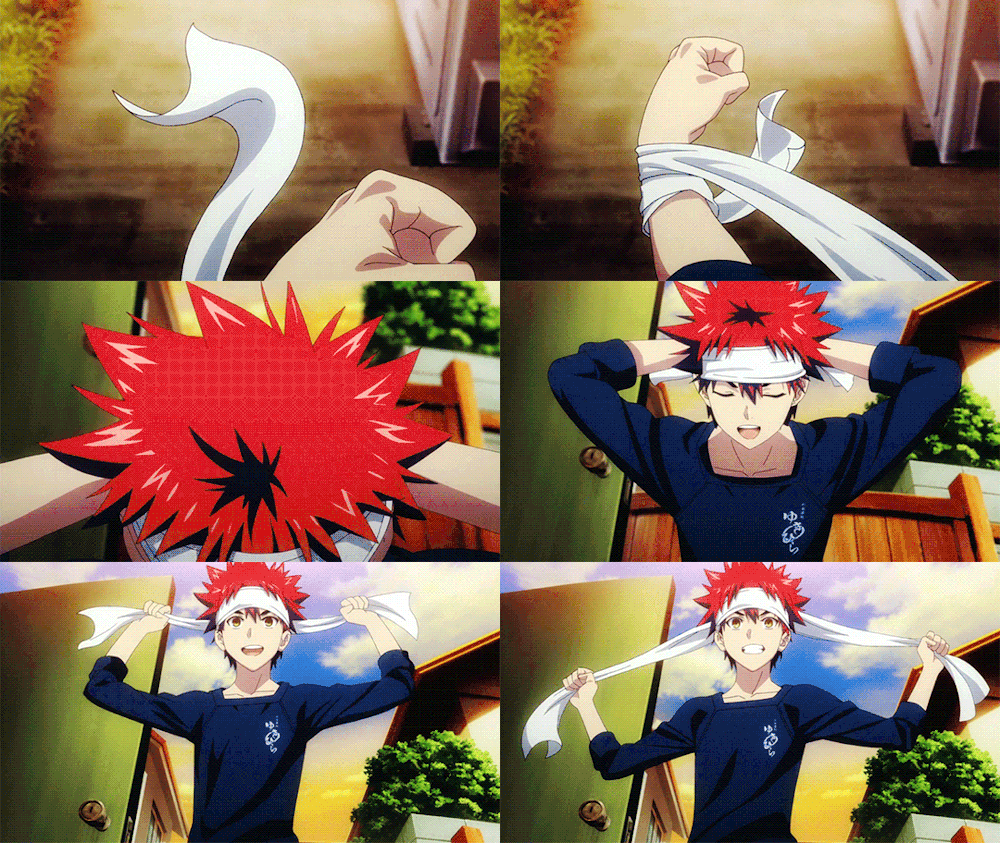
Souma thinks he’s a wise guy, taking after his son-of-a-buck father. He’s pretty damn smug during his entrance speech, proclaiming that he doesn’t plan on losing to “some bunch that has never stood in front of clients” – That’ll earn you a rep no doubt, because now the entire student body wants to slit your throat! Cocky as he seems, Souma’s got one thing that none of the others have. Passion? Nope. Talent? Not that. A hot body? For this spiky redhead, hardly. Souma wants to support others, and when your egg omelet determines your fate, that’s a rare treat in a guy. Even though he’s a dumb fool, ‘he helps others find their feet so that they learn to stand up on their own’ (as one reviewer sorta put it), specifically speaking, the clumsy yet sweet Tadokoro Megumi.

The rest of the characters are pretty much store-bought stereotypes, but in the case of Shokugeki, that’s not a bad thing at all! There’s the tsundere “God Tongue” Erina Nakiri, the critical queen of Toutsuki who seriously needs a new nickname; Nikumi the “Meat Master,” a busty servant of Erina who trust me, knows her way around meat; Tadokoro Megumi, the already-mentioned endearing ‘freshmeat’ of the pack who, at first clings to Souma’s apron like a stain, builds her own uniqueness and learns to fight on her own turf like a pro; Lastly Takumi Aldini (the Italian stallion) who remains Souma’s poke-fun-of rival in this shounen.

Better start learning how to shine shoes because she’s several feet over our heads

unnamed

tumblr_np5qu2utOR1tda6puo5_500

Aww, what’s wrong? You’re looking a bit flushed there, Mr. Aldini

I didn’t even get to mention the cool Polar Star Dormitory pals, but there are so many other exaggerated and outrageous cutouts that benefit this particular story genre. If you know shounen anime enough, then none of these characters are necessarily fresh. That doesn’t stop these chefs from being entertaining and downright amazing in their own right, though. Their uniqueness often adds an extra layer of hilarity!

Oh yeah, there’s this woman, too . . .

So the story is nothing new and the characters aren’t original, either. How’s the animation fair? SWEET MOTHER OF EGGS! J.C. Staff has taken food to a whole new level and MY GOD things are so juicy! Now why do people keep calling it “food porn?” It’s the way the characters revel, squirm, and orgasm on their own taste buds. Apparently one of the key animators worked with hentai, so that’s probably where the show gets its inherent sex drive. Besides being ridiculously over-the top, I found the sensual reactions to be another one of Shokugeki’s winning attributes. The exploding articles of clothing and intense moaning reveal what an A+ dish can truly do to your body – make it foodgasm. The science of good food is also thoroughly explored, so by entering with an engaged mind, you might learn a thing or two.

This one’s actually not a foodgasm. He just gets this way . . . sometimes . . .

Composer Tatsuya Kato is a genius, simply put. I especially loved the way he incorporated Western-inspired tracks to this show; the soundtrack only makes it more flavorful (awesome trumpet and strings)! Disappointment, rage, awkwardness, celebration, competition, grandeur – it’s all here, and expressed with such invigorating fervor. While watching, I wanted to stop and scream just how incredible this OST is, but then I’d be missing out on another bite of excitement.

Check out “01. Towards the Horizon of Cuisine,” “06. The Texture of a Decisive Battle,” “07. Go Study Both Sour and Sweet!,” “08. God Tongue,” “09. Disgusting!,” “18. The Heat of Confrontation,” and “25. The Secret Ingredient Named Victory” to get a lick of Souma’s world!

And all of these delightful features are carried by tasty openings and endings. My two favorites were the first two, opening “Kibou no Uta” by Ultra Tower and ending “Spice” by Tokyo Karankoron. Watching this anime each Saturday morning as a simulcast, this opening was such a great “good morning” call that I had to download it as an alarm. My sweet little “Spice” also charmed me early on, and I loved the dinner table scene at the end.

With incredible amounts of five-star food, unnecessarily high degrees of tension, and FAN SERVICE OUT THE WAZOO, Shokugeki constantly delivers fun and flavor! At the end of the day, it’s all about a boy who practices to surpass his father. So rather than blindly recommending this fantastic treat with two open thumbs up, I instead refer Food Wars! to those who want fun, but don’t want change.  The outrageous reactions to the food, the bouncy animation, the blazing competition – It’s all to delight in! But the story of the Shokugeki is much more than that; it was the incalculable trial and error – blood, sweat, and tears – over and over again that made this anime shine above the rest. “…repeating trial and error and failing many times…it’s that process which makes the dishes shine.”

While characters know hardships, the show never lowers its light to become a negative influence. Take it like a nice, home-cooked meal: The food is ever-changing, but the heart never falters. I also learned some neat kitchen tricks! If you’re looking for some grilled competition and true comedy, yet ecchi fan-service doesn’t bother you too much, then try dipping into Food Wars! You’ll find that it doesn’t need any extra salt. The flavor is just right.

“Don’t think of unnecessary things, just make a dish that suits you!” – Souma to Tadokoro

+ Yukihira Souma is a character that you’ll naturally want to cheer on, which is the goal for any shounen anime

+ Entertainment value is through the roof, so long as you don’t mind ecchi, umm, ‘plot’

+ Animation quality is absolutely incredible! The food will make your mouth drool and characters will make you giggle so hard you vomit

+ A soundtrack so fitting that it elevates the stakes on every front, yet knows when to be playful, witty, or heartwarming

Thanks for reading my review, and I hope you liked it! “Happy to serve!” You can let me know your thoughts by dropping a comment below and/or sautéing that like button! The café rates this anime with a gratifying 9/10, so if you’re interested in Food Wars!, the entire show can be viewed on Crunchyroll for FREE! Now you’ve got nothing to lose but your appetite! Until next time everyone, this has been

– Takuto, your host
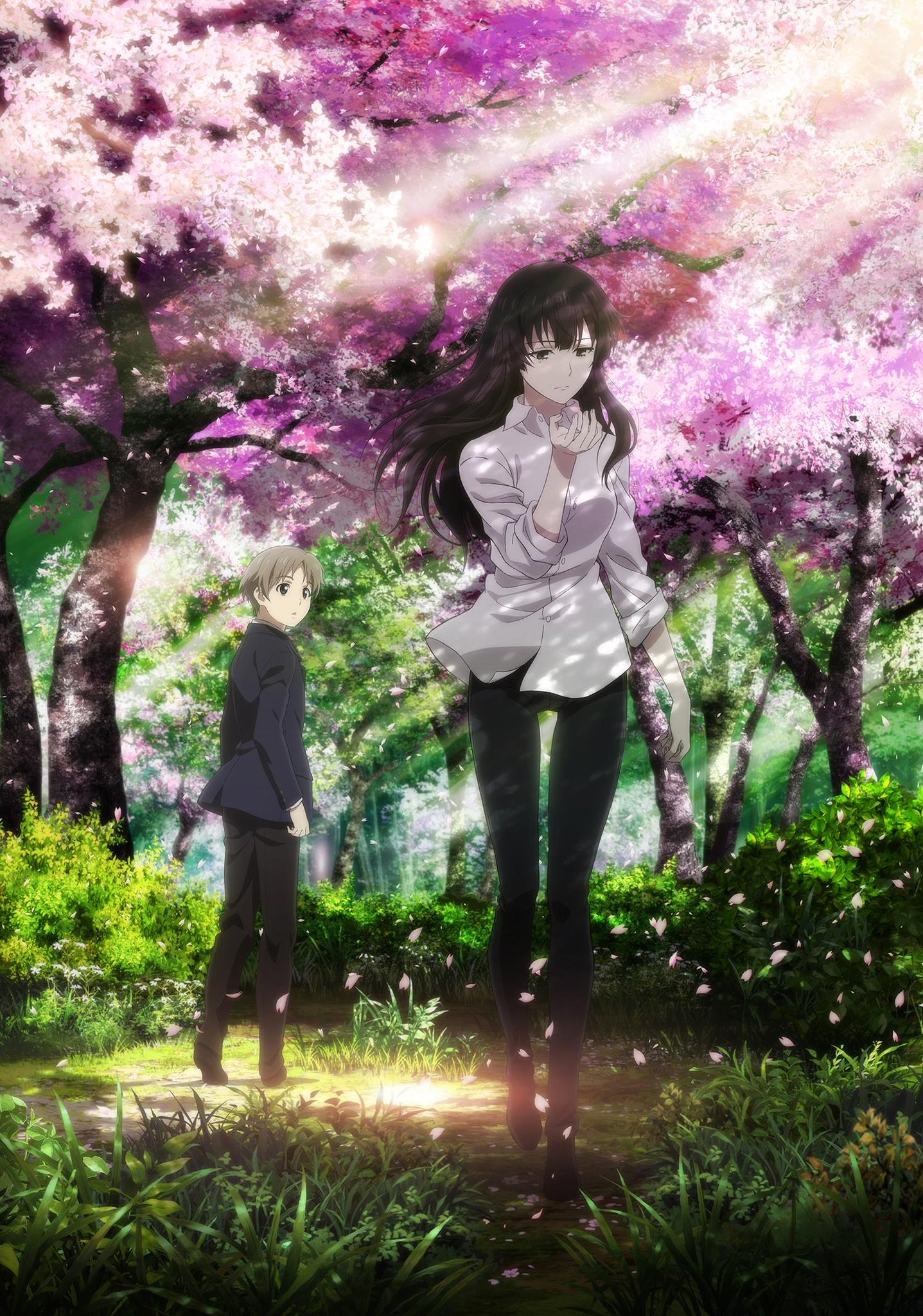
Hyouka: Fifty Lazy, Dull, Grey Shades of Curiosity (FEAT. Sherlock Houtarou)

A spoiler-free review of the spring 2012 anime “Hyouka,” produced by Kyoto Animation, based on the “Koten-bu Series” novels by Honobu Yonezawa.

Do you read the newspaper anymore? You know, that compilation of local and global updates printed on cheap, ink-rich, pulpy paper that would arrive every Sunday morning (delivery date varying on location)? Yeah, me neither. Between bright news channels on TV and the instant convenience of the Internet, I have no right reason to order such a monochrome, drab publication (unless you do it for the ink odor, to which I reckon you meet with a psychiatrist ASAP).

But despite my preferences, there are still those who cling to this plain method, which is completely fine, by all means. My only question: Who would want to pay for boring when digital brilliance is free with the click of a button?

This bum. Nice Hair.

This bum. Nice Hair.

Enter Oreki Houtarou, our mundane, dispassionate, high-school culprit who would indeed prefer this simple format. Why? A newspaper is neither flashy nor motivational. Additionally, it comes to you rather than you going to it, which though might not sound like a good enough excuse for us, works fantastically in Houtarou’s favor.

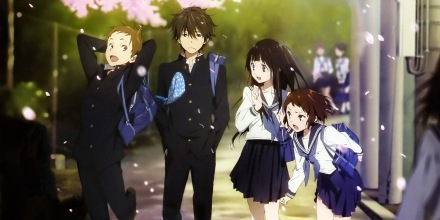
To save his elder sister’s club from disbandment/comply with orders, Houtarou reluctantly joins the Classic Literature Club. There, he reunites with his lively buddy, Fukube Satoshi, and adversary/manga addict, Ibara Mayaka, a couple too energetic for him to be around. That’s not all lurking in the clubroom, however. Violet-eyed Chitanda Eru, a proper, lovely girl, transforms into the quintessential curiosity bomb when something interesting and mysterious catches her eye, or rather, tongue (“Curiosity killed the cat,” or “Cat got your tongue,” anyone?). Anyway, the story follows the Classics Club and their investigations surrounding their beloved Kamiyama High, for the more they unravel mysteries, the more they get tangled up with each other’s personal lives.

And that’s all these kids do. Solve mysteries for the mere sake of solving mysteries – all while satisfying Chitanda’s raging curiosity, of course! The development of the setting and characters comes from each of these case arcs that divide the series. That’s where problems can arise, you see. With the way the anime is set, beginning strongly and upholding that entertainment through the middle, the end pulls the characters out of the thrilling school festival setting to further polish the two relationships. What that creates is a most lackluster ending – as if we ended on just another episode – which is a real shame considering that the suspense from the two previous potent mystery arcs was driving up to this ‘finale.’
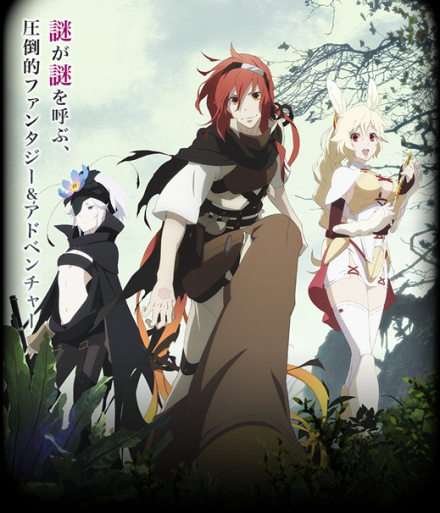
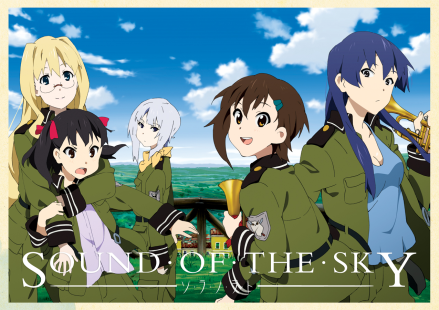
Ah, friendship ~

Despite my need to rearrange the story arcs, Hyouka’s characters are at least one-of-a-kind. As you know, Houtarou is and was my site’s mascot prior to my watching this anime, and you might be glad to hear that he’s sticking around! “If I don’t have to do it, I won’t. If I have to do it, I’ll make it quick.” Bent on avoiding a “rose-colored high school life,” that is his faithful motto. But he gradually breaks away from this eternal LAZINESS the more he quells Chitanda’s curiosity. The consequent result of his efforts – He develops a driving curiosity for himself!

“I’m not stupid. I’m just too lazy to show how smart I am.”

This is how I look when people ask to see my notes.

SAME

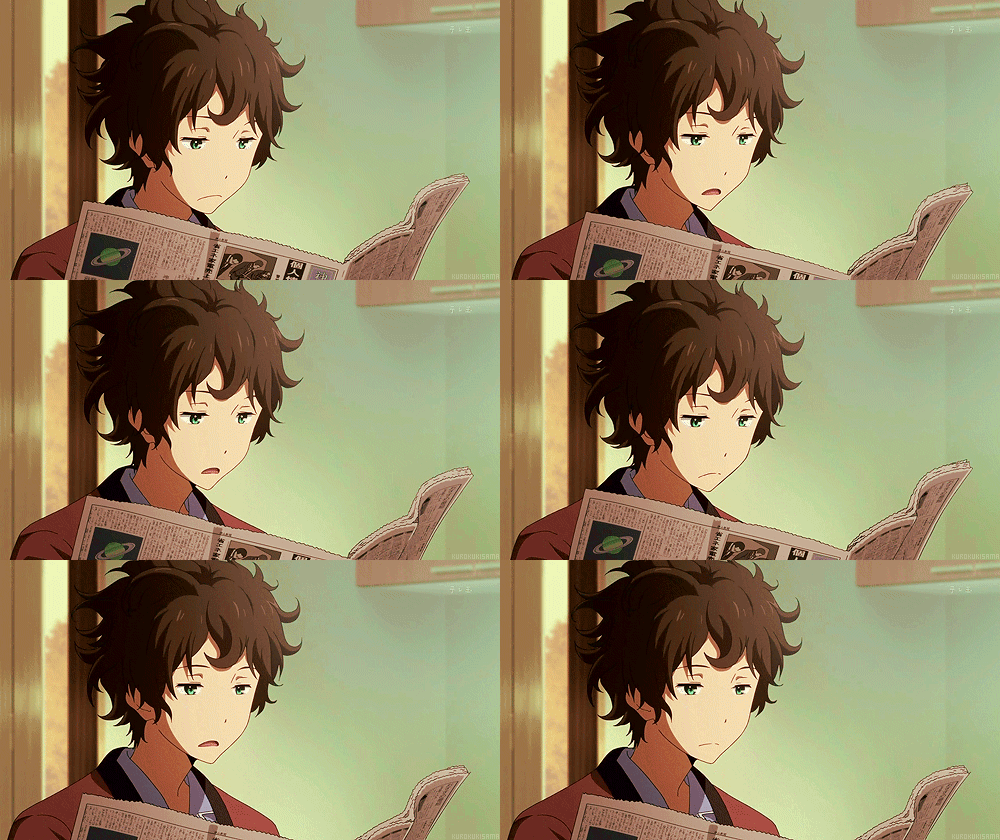
Houtarou is also incredibly relatable (my bedhead twin). I found his nonchalant way of dealing with the day-to-day schemes of his rather gray life not only amusing but realistic. Besides his dull “oohs” and “ahs,” provided by the charming actor Yuuichi Nakamura, he also has very little to say. Most of Houtarou’s ‘dialogue’ is composed of complex thoughts in that brown bushy head of his (indicated by the tugging of his bangs), while what he actually spouts is concise and to the point.

If Chitanda’s energy combats Houtarou’s laziness, then Satoshi’s spunk grinds with Mayaka’s bluntness. Claiming to be a “database” that can store info but not make conclusions, Fuku-chan supports Oreki regardless of his high expectations for him. All the while, Mayaka tries desperately to win Fuku-chan’s heart and Chi-chan fires questions in Oreki’s direction. Ladies and gents, here you have the musings of the Classics Club!

Calling the animation simply “beautiful” would be the easy way out. The cinematography here makes other KyoAni works look elementary. The dull world around Houtarou is coated in pale browns and yellows to reflect his boring view. In contrast, when he becomes shocked or surprised, lighting plays a key effect, as everything sparkles and brightens the eyes! When it comes to the mystery aspects of the show, each time a new case is introduced, the run-down of the information carries its own unique and quirky animated sequence. It’s as if Shaft and KyoAni birthed a gorgeous, brilliant, and eccentric child!

Kids actually utilizing their public libraries – and it’s cool!

I want to bring up the OST not because it’s necessarily the greatest thing ever, but because it fits the mystery atmosphere so perfectly! For the majority of the tracks, irritated strings, peculiar xylophones, and romantic choirs/pianos/harps pave the way for intense thinking and detective work. Sleuthy, eerie, dramatic, or flat out rambunctious, the music remains an engaging feature of Hyouka. The exciting inclusion of classical music, be it the reoccurring Beethoven, Bach, or Faure adds a, and imagine this, “classy” feel to the whole shebang. I simply can’t get enough of “Sicilienne” and Bach’s “Cello Suite!” *Cue reading letter from Oreki’s sis*

Before we leave the OST department, I’d like to highlight “Yasashisa no Riyuu” by ChouCho, the first opening. This song just oozes with good feels and astonishing visuals, so it was naturally a shame to lose it after the first half! Similarly, the first ending “Mikansei Stride” by Saori Kodama was also a pleasant touch.

tumblr_m4qozdj3ue1r6ksv2o1_r1_500

Hyouka’s best feature was its ability to juggle the genres of mystery, drama, romance, and slice-of-life, and do it phenomenally! To parody, it was like “Fifty lazy, dull, Grey Shades” of freakin’ curiosity. Seriously, if I was having the crappiest day ever and was wanting to be cheered up, or if I wanted something fairly heavy to dip my emotions into, then this is one of the bests. Even if the mysteries are lacking towards the end, there are plenty of other great qualities the story has to offer. So why don’t you throw down that dusty newspaper of yours and hop online with Hyouka!? It’s not like you were reading it, anyway.

“People who are confident in themselves never talk about expectations. “Expectation” is a word rooted in giving up. It leaves you with no other choice. It makes it obvious that you’re powerless.” – philosophy of Fukube Satoshi

+ One-of-a-kind characters (especially Oreki, Fukube, and Irisu) with different viewpoints and philosophies on expectation. Great vocal performances for characters

+ Mystery arc “Why Didn’t She Ask EBA”

+ Sensational cinematography of Oreki’s drab world and its contrast, captivating art and animation

– “Just another episode” ending; no satisfying conclusion

I can’t believe I finally got to watch Hyouka! Uf, and what a splendor it was. For the café, Hyouka is a solid 8/10 with a superior caffe mocha rating! It’s a real bummer that, at this point, there is no English localization of the anime (WHY HASN’T ANYONE PICKED THIS UP). While I encourage you to watch it if you have a hankering-for-a-tinkering with some mystery drama, the only way to find it is through fansubs, meaning not-so-legal streaming. Only watch it if that kinda thing doesn’t bother you. To those who have, what did you think of Hyouka? “Watashi KININARIMASU!” *Oreki: . . . shit.* Thanks for reading, keep an eye out for thieves hangin’ around your club room, huehuehue, and until next time, this has been
– Takuto, your host