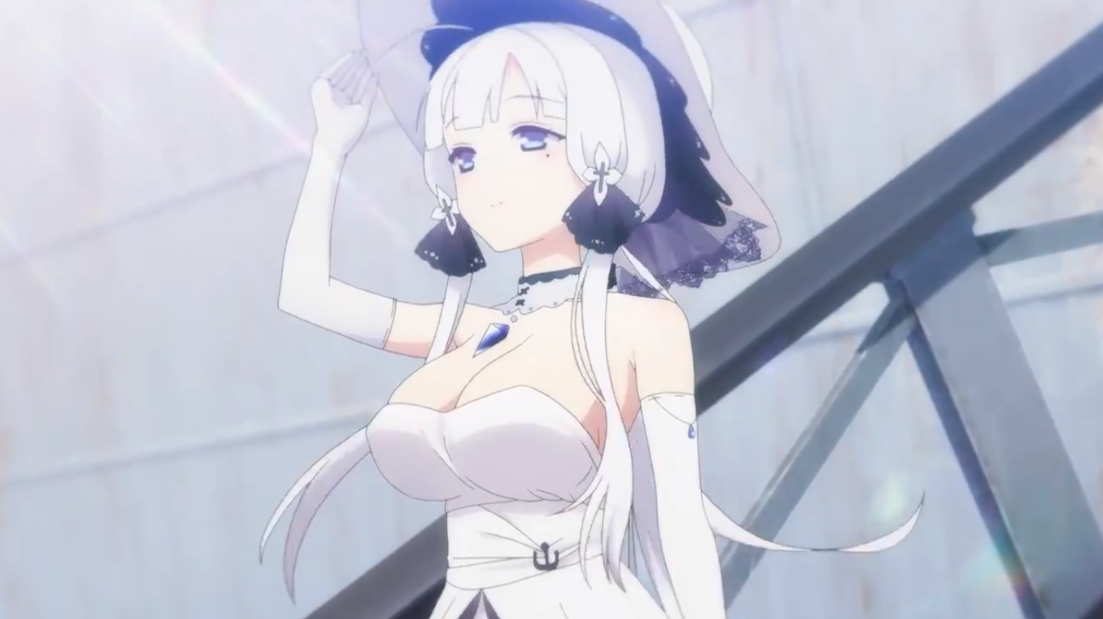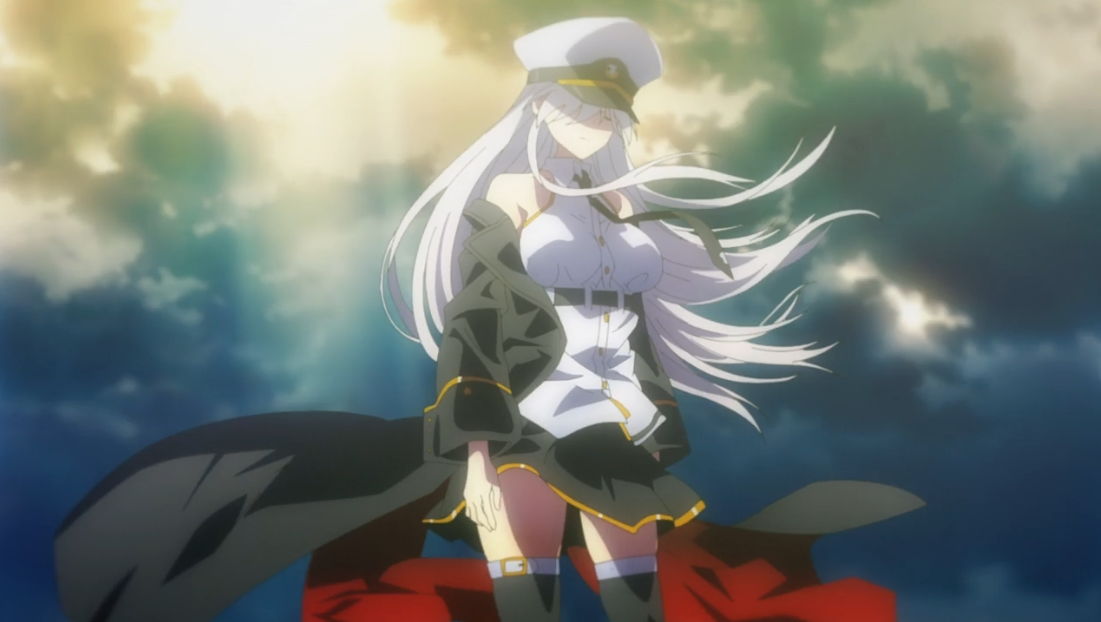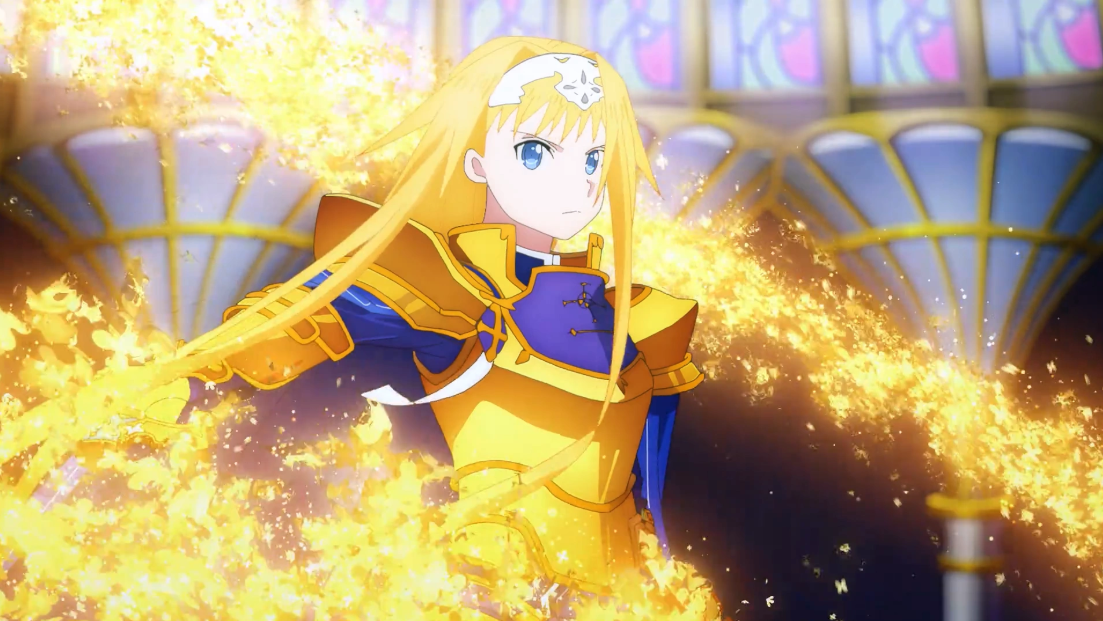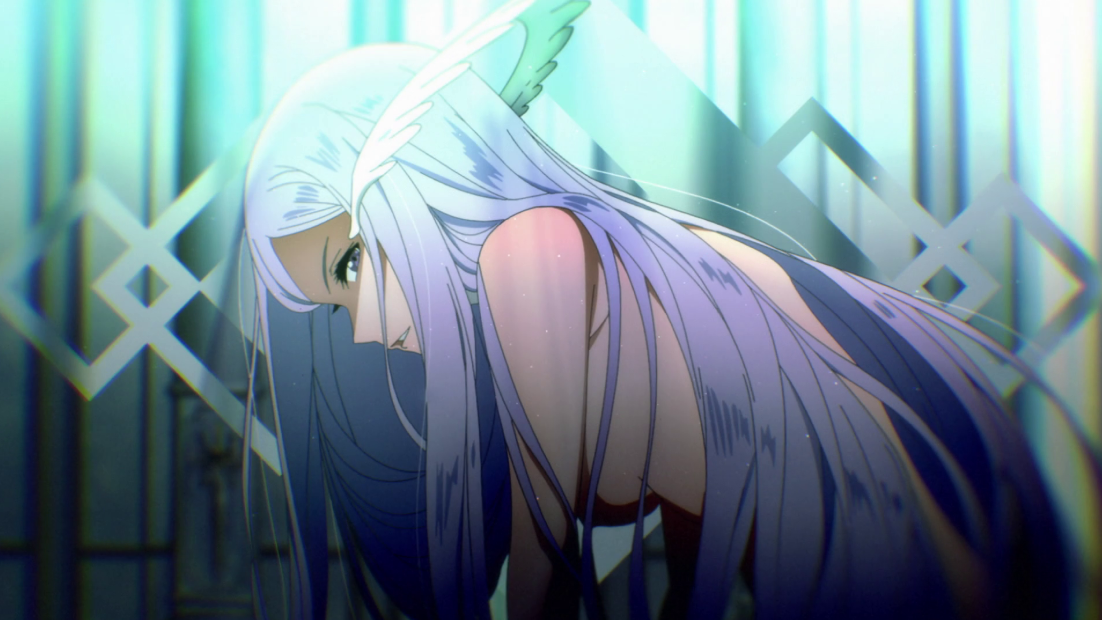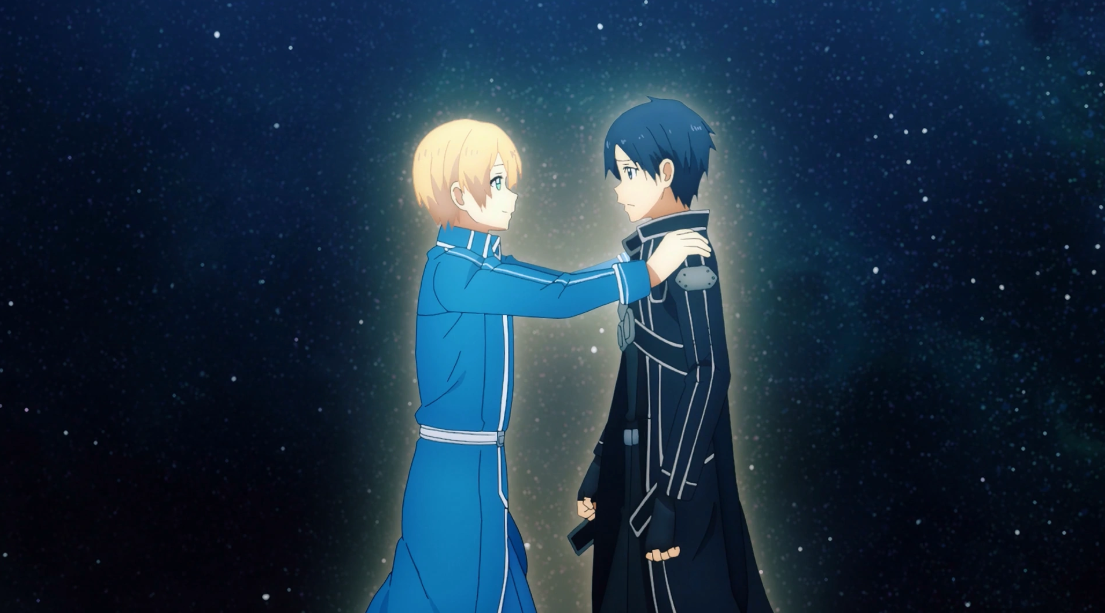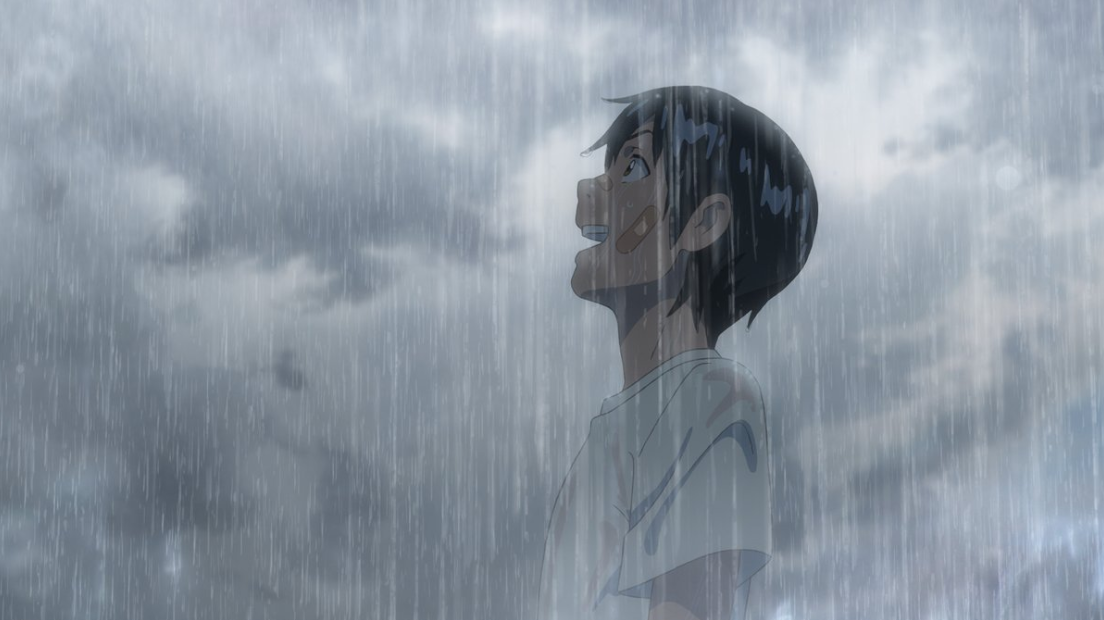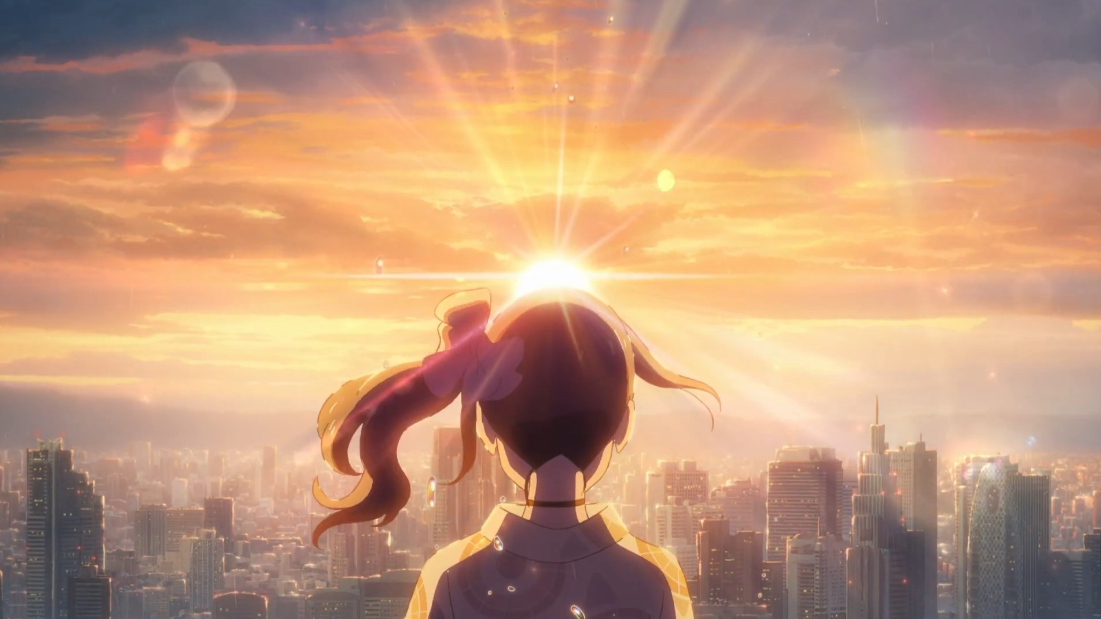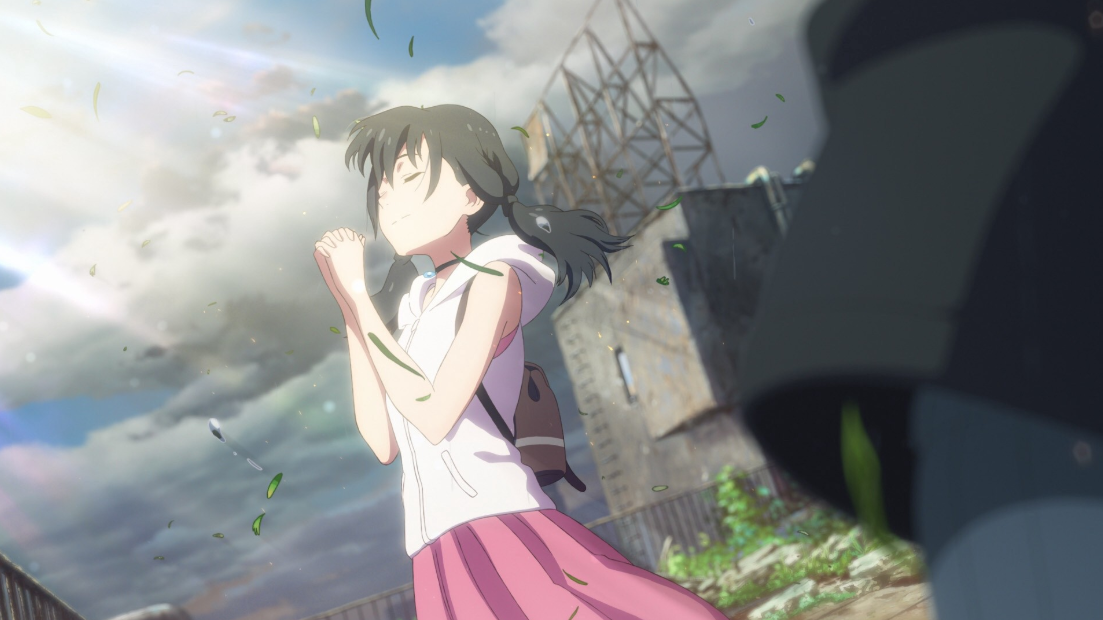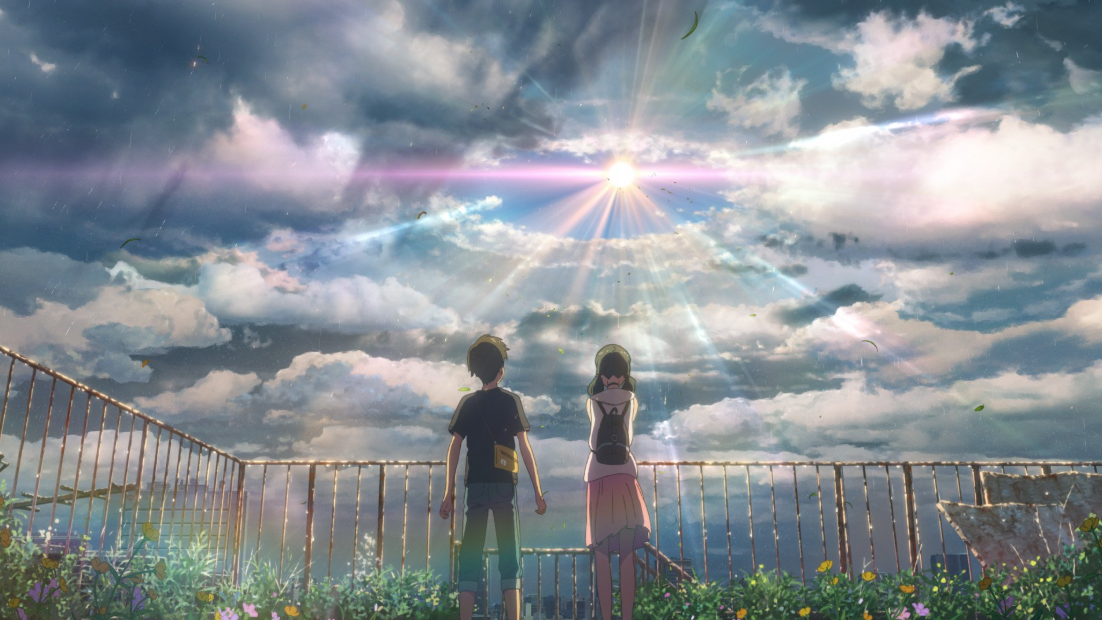
Into the Abyss: Fire Force Manga Volumes 7-9

Loose thoughts on volumes 7-9 of Atsushi Ohkubo’s manga series “Fire Force,” initially published in 2016 by Kodansha Comics. Spoilers will be present.

CLICK HERE TO READ MY THOUGHTS ON VOLUMES 4-6


Enter the Forge

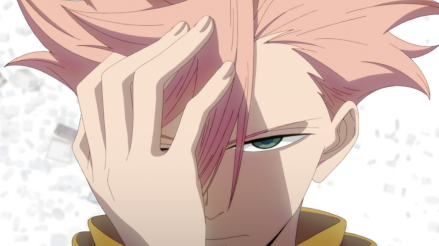
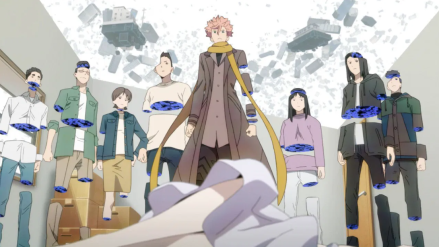
Coming off the shocking ending of volume six with the introduction of *assumed villain* Viktor Licht to Company 8, volume seven opens with new knowledge of Shinra’s world. As it turns out, much of the habitable land known to mankind was burned to a crisp at the dawn of the Solar Era. Countries that we are familiar with now no longer exist in this period as a result of spacial distortions. The planet is quite literally falling apart. Although the actual history is still unknown to us, Viktor isn’t afraid to confirm with the reader now that Amaterasu and the Tokyo Empire are definitely fishy in origin.

Taking on the other companies will prove difficult with their current team. Thus, Obi sends the innocent trio of Shinra, Arthur, and Sister Iris to try and talk a legendary blacksmith and mechanic over to their side: Vulcan, aptly named after the god of the forge. I appreciate the way Ohkubo quickly yet thoroughly introduced Vulcan and his “family” to us; unlike most other additions Ohkubo would make this late in the game, Vulcan isn’t an annoying guy.

Vulcan’s goal of bringing back animal life to the world—another detail I had yet to realize until now—is a noble one, and his frustrations with Haijima Industries is well understood thanks to his backstory. It was honestly moving to see that underwater projection, reminding us of how hot and dry the landscape often seems. I can totally see the anime dragging Vulcan’s history to the point of tedium, but the manga remains quick on its feet and moves past his angst.

Volume seven doesn’t stop there. The drama escalates when Shinra realizes that the White Hoods set a trap for Company 8 and Vulcan. It was an ABSOLUTE double-whammy to find that not only was the WHOLE Company 3 working for the Evangelist, but also that Lisa, a member of Vulcan’s “new family,” was also an Evangelist spy. Really, this caught me off guard. I had my sneaking suspicions that Company 3’s captain, Dr. Giovanni, was actually Vulcan’s grandfather, but this conspiracy was quickly snuffed out—and probably for the better.

Oh yeah, and Princess Hibana joins the fray with some SERIOUS heat. Glad Ohkubo is keeping her relevant both off and on the battlefield.

Shinra Meets Sho

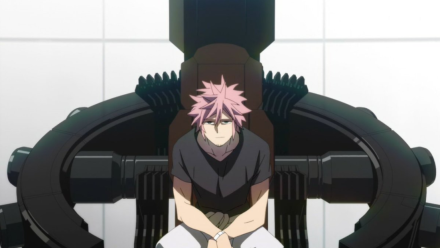
THE CONFRONTATION WE’VE BEEN WAITING FOR. And honestly, it was just as short as I thought it’d be. So far, it would seem that the only edge Sho has over Shinra is his extreme speed, which is kinda lame cause I thought he’d have real nasty fire abilities. I suppose we have yet to see those, though, so for all I know Sho’s fire is just as potent as Shinra’s can be. Anyway, Sho has no wishes of joining our heroes, which was kinda already expected, just not as bitter.

To finish out the battle at Vulcan’s workshop, I found it perhaps most odd that Joker jumped in to fight off Sho from catching up to Shinra’s escape. Even more surprising was that Joker appears to be no match for Sho’s deadly speed. What is Joker’s aim? I thought he was with the Evangelist. Is he just a terrorist, or perhaps an anti-hero? I’m sure his story will come to light before too long.

As with Princess Hibana’s efforts in the previous volume, Ohkubo is really trying to keep all the characters he introduces on the table—which is fantastic. The majority of this eighth volume is spent on a mini training excursion in Asakusa. That’s right, Benimaru is back, BITCHES. I love this man, WOW, and I still don’t even know why. I just wish he’d join Company 8 more on their quests already cause y’all already know he can take Sho down.

Just as Shinra learns from Benimaru to focus his fire with traditional meditation techniques, Arthur also learns a thing or two about how to sense life on the battlefield. Arthur is such a ditz, but Ohkubo’s made this guy impossible to hate at this point. Benimaru’s wise teachings will already prove helpful as Obi takes the fight to the White Hoods in Fire Force‘s next big arc.

The Nether, a land of darkness that remains untouched by Sol’s holy light. In other words, the Tokyo subway ruins following the cataclysm many years ago. Man, Ohkubo’s world-building continues to astonish. Just when I think I have Fire Force‘s world all figured out, Ohkubo gently places new information to throw the reader off. He’s been slowly, carefully fleshing out this universe of fire and brimstone, and the results pay off when the reader can look at the lower gates to an ordinary subway and a chill runs up their spine. There’s definitely something wrong with this place . . .

Now that we’re here in the depths of the earth, it finally occurs to me that, yeah, there really aren’t that many scenes where our characters are exploring any subterranean location. Again, this obviously carries intent. The stress on Sol as a deity is really questioned throughout this volume and the end of the previous. Company 3’s Dr. Giovanni goes on a religious tirade praising the glory of the Evangelist and diminishing the light of Sol, but really, who is this Evangelist—and who or what is Sol? This self-inquisition adds so much to a world that, apparently, we still know very little about.

A Light in the Dark

At the end of volume eight we get our first fight: Maki vs. Flail. I CANNOT wait to see this shit animated, cause wow, Maki’s new gear is so freakin’ cool. Thanks to Vulcan’s handy-work, Maki’s able to utilize her little fire sputters in a much more advantageous way: they are the fuel for a set of giant floating armored hammers that can both attack AND defend with ease. The staggered armor plating on these pile-bunker-esque arms also matches Obi’s signature full-body shield, which is nice for consistency. In all, it’s just nice to see Maki shine on her own.

My favorite confrontation, however, was the explosive sniper duel of Hinawa vs. Arrow. Hinawa may just be the coolest guy in the company. His backstory is solidly written. His purpose and ties to the other characters makes absolute sense. And his abilities as a Second Generation, WOW, so fitting for him and useful on the field. Both snipers were almost willing to destroy themselves just to hit their target, which lends to itself humorous commentary in Arthur vs. Mirage (also a pleasant rematch, it’s nice to see how much Arthur has grown). The stark use of black and white during these panels also accentuates the flash of their bullets and arrows—the clash between two sharp, diligent minds.

The weakest fight was by far Tamaki vs. Assault. As opposed to her flame ability taking out her opponent, that damned “lucky lecher lure” or whatever ended up being Assault’s downfall. Gosh, my eyes cannot roll hard enough. It’s bad enough that I don’t care for Tamaki at all, but to see her fighting like this really degrades her character. I sincerely thought this was going to be redemption for the cat girl. Oh well, at least Sister Iris came in with that lead pipe to Assault’s head.

Lastly, there’s Obi and Vulcan vs. Dr. Giovanni and Lisa. This fight really shows off Dr. Giovanni’s cunning ways, but also Obi’s raw human strength as a non-powered soldier. Vulcan and Lisa do little aside from playing Romeo and Juliet, so the main draw of this fight is definitely on the ideology clash between the company captains. I just can’t wait ’till Obi rips that obscene mask off Giovanni’s head.

As Shinra frees Viktor Licht from the White Hoods, it quickly becomes apparent that something isn’t right here. Shinra has sensed Sho’s presence in the Nether since the beginning, but a strange vision of ashen demonic skeletons has me scared for Shinra’s life. I have a hunch that the grand conflict awaiting us in volume ten will not only prove hard on Shinra because of Sho, but because his own powers may decide to reveal their true colors.


We are forever beseeching the rising sun. Grant thy light to the undefiled souls.Sister Iris


Afterword

Lots of stuff happened in these past three Fire Force volumes. I have no doubt that the story is only to get a lot darker with the reveal of certain truths about the world in the volumes to come. I went ahead and ordered the next nine volumes (I know, I should moderate myself better), but I’ll be taking a break from the series until they arrive. Until then, what are your thoughts on the series so far? I’d love to hear, but no spoilers please! ‘Till next time!

– Takuto

CLICK HERE TO READ MY THOUGHTS ON VOLUMES 10-12

Netflix’s Ghost in the Shell: SAC_2045 is Enjoyable, But Not in the Way You’d Think || Review

A brief spoiler-free review of the 12-episode 2020 anime “Ghost in the Shell: SAC_2045,” produced by Netflix, animated by Production I.G and Sola Digital Arts, directed by Shinji Aramaki and Kenji Kamiyama, and loosely based on the manga by Shirow Masamune.


A New Threat Emerges

The Synchronized Global Default changed everything about societies all over the globe. Now, in 2045, the economic disaster continues to impact the human race as the world enters a state of “Sustainable War” via AI technology just to keep money in the pockets of policy makers. But, as the Stand Alone Complex world continues to prove, people really do not possess any idea of the capabilities of these AI—as well as the potential threats to their own privacy and safety—while living in this rapidly accelerating cyberization age.

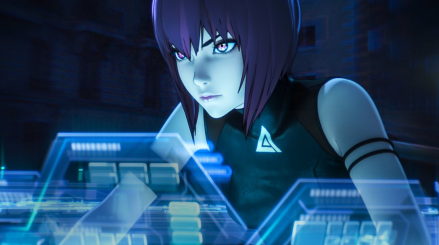
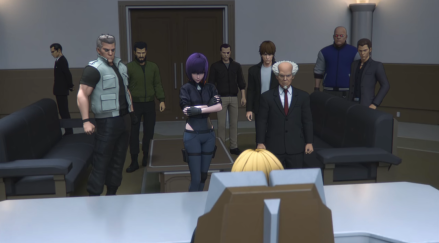
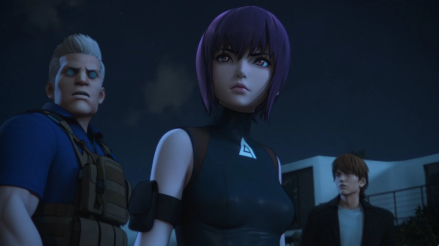
As a result of the economic fallout, Public Security Section 9 was kicked off government payroll and reduced to hired mercenary jobs out in the hot American southwest. Given the opportunities to engage their enhanced cyberbrains and combat skills, it’s not the worst outcome for full-body cyborg Major Motoko Kusanagi and her partner-in-crime Batou. However, the emergence of extremely potent AIs with remarkable intelligence and physical might, dubbed “post humans,” just might be the global threat Section 9 Chief Aramaki needs to pull the old team back together again.

Off-the-grid sci-fi action and cyber crime dominate the scene as the classic Ghost in the Shell: SAC story returns with this latest installment. Don’t count your Tachikomas before they hatch, though, as this is far from the sequel longtime fans have been waiting for. Overrun with loud action stunts and a hardly tactical approach to most combat, 2045 may be the weakest entry thus far—and the switch to all 3D CG doesn’t give much to boast about. But, this is still a Ghost in the Shell story, mind you, and any GitS is worth watching if you love this universe like I do.

major in the tachikoma

The Old Gang Reunited

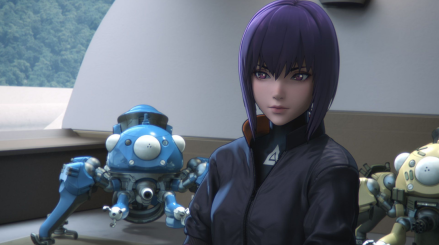
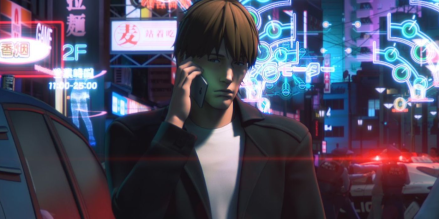
With a new Ghost in the Shell comes a new look for the Major. Although she doesn’t carry the same maternal air as the original SAC‘s Major, I do really like the pretty and iridescent quality that this Motoko bears. It’s as if the short bob and rebellious spirit of Arise‘s Major met the violet, cool-toned and commanding authority of SAC‘s. While Batou largely retains the same figure, including his signature prosthetic eyes, Togusa’s new look suits him quite well. I wasn’t particularly happy about hearing that his marriage fell apart in the time since SAC 2nd Gig (honestly the biggest crime here), but at least the shortened mullet makes him feel like a fresh man.

Perhaps my favorite single part of Netflix’s crack at GitS doesn’t even pertain to character designs, plot points, or the music—it’s the dub cast. Somehow, Bang Zoom was able to track down the all-star cast of the original SAC dub, including the incredible Mary Elizabeth McGlynn as BOTH the dub’s director and the Major herself. Add in Richard Epcar’s rough-around-the-edges Batou, Crispin Freeman’s rich yet naive Togusa, William Knight’s authoritative yet flighty old man Aramaki, and Melissa Fahn’s iconically squirrelish Tachikoma voice and, ahh, it’s a wonderful nostalgia trip. Mary Elizabeth’s Major really does embody the soul of this franchise. It was only after hearing the old Section 9 again that I was reminded just how much I’ve missed this world.

So, as you can tell, I wasn’t one to hate on the new character designs. The characters themselves aren’t necessarily here to be dynamic so much as to be badass cyber soldiers and carry out the plot (except maybe Togusa), and to each their own on that. But, if there’s one major gripe I have about the characters, it’s the facial expressions, which is a perfect segue to the show’s biggest controversy: the animation.

section 9

A Bold Switch of Style

As you may have heard fans gripe, directors Aramaki and Kamiyama decided to have all of 2045 animated in 3D CG. In addition to story focus and heightened emphasis on explosive action, this changed visual style makes 2045 feel even more removed from SAC‘s old roots. At what point do we stop calling it a sequel? I don’t even know where to begin on this one except for with the negatives.

For one, the lip flaps hardly match the voice acting—this is consistent across the English and Japanese dubs. Lots of dialogue may be spoken, but the mouth hardly moves. Now, 2045 can sometimes get away with this since A) half the characters are cyborgs, and B) much of the dialogue is communicated via connection to the Net, thus no need for spoken words. But even the most human characters suffer from a general lack of expressive facial emotions.

My second big gripe is that everything is CG. From vehicles and landscapes to special effects and the hair on a person’s head, it’s all been animated using digital technology. This means that, when something is textured, it’s generally done well and with consistency. On the other hand, when there’s no texture work, it’s entirely flat to the eyes. The production feels cheap as a result, sometimes gross, even if I know that it’s actually decent quality CG work being done here.

That said, I do, in fact, like the way this series looks (shocker, I know). Sure, I would’ve liked a more traditional approach with 3D CG modeling being used for a minority of the production rather than the only technique, but this isn’t all bad. Japan’s towering skyscrapers and clean, futuristic architecture have never looked better in SAC than they do here. The Tachikomas shine brilliantly, and the action sequences are also entertaining and very well choreographed (even if they’re ultimately no more than added popcorn material). Chances are most people will dislike the CG, though, especially if they came in with expectations of the franchise.

major and tachikoma 2045

At Least it Sounds Great

Between writers and actors, it would seem that everyone came back to work on this universe again—everyone except for SAC series music composer Yoko Kanno. Thankfully, Nobuko Toda and Kazuma Jinnouchi carry the mantle of SAC with strong compositions in 2045. Between the jazzy interludes, lo-fi downtime, and high-octane cyber beats, I almost could’ve sworn it was still Kanno behind the keyboard. Toda and Jinnouchi also worked together on composing the score for Netflix’s recent Ultraman series, which may explain why 2045 also feels a little retro-punk at times.

As with the dynamic visual special effects work, the audio effects also fill in the sounds of this technologically advanced world. Whether the soft hum of a self-driving car on the highway, the relentless fire of Gatling guns, the blinking and honking of city sounds, or the digitization of bodies floating around in the Net, the sound design maintains a high standard across the series.

togusa 2045

Waiting for the End

From the occasionally nauseous CG animation alone, it’s easy to think that this is a poorly directed series. 2045 is also not as philosophically explorative as its predecessors; rather, it seems to look smart by skimming the surface without postulating the further impacts and implications of people living by and through the Net. As opposed to genuine curiosities or worries about our future with technology, 2045 favors absurd thriller tones to engage its audience. I wish it were deeper and more full of wisdom like the previous seasons were, but 2045 is not that story. Maybe it’s not that great . . .

BUT, I don’t want to lose hope because I did enjoy my watch. Heck, binging 2045 on Netflix in a SINGLE SITTING was loads of fun—questionable CG and all—and I only wish I could’ve listened to more of the Major and her team exchanging witty banter back and forth. For me, clearly, the dub alone made 2045 worth watching.

As it stands, this is only half the story, so I can’t completely say whether or not 2045 is worth passing on. With the second cour green-lit but yet to be announced, I await the end of this new story with cautious optimism. When that day comes, I definitely plan on joining the Major once again. If Ghost in the Shell is your thing, you may want to consider putting 2045 on hold until the entire series is out. Otherwise, strap in—this ride is already proving to be a bumpy one.

major batou and togusa 2045


You think I like this? There are too many unknown variables. It doesn’t smell right. But, then again, we always enjoy coming along with you for the ride—it’s the only reason we’re all here. — Batou


Afterword

If that last quote from Batou doesn’t encapsulate my feelings on Ghost in the Shell: SAC_2045, I’m not sure what does. Until the second half can solidify my opinions on this series, I’ll pass 2045 as a “Coffee” rating for now. It’s mediocre at most points, but when it’s good, you may just remember why you fell in love with this series to begin with. Have you watched Netflix’s Ghost in the Shell yet? If so, what are your thoughts? Given how optimistically I tend to view this franchise, I’m eager to hear about them. Otherwise, ’till next time!

– Takuto

ID:INVADED & Searching for the Answers || OWLS “Adapt”

Chances are that if you were linked here from another blogger pal, then you might be new. To those first-timers, “Hi, I’m Takuto, welcome to my anime cafe!” For the OWLS blog tour’s fifth monthly topic of 2020, “Adapt,” I wanted to showcase one of the cool psychological sci-fi series that aired this past winter season, ID:INVADED. Although this would’ve been THE perfect month for Shirobako (which I talked about in last month’s OWLS post), I find the premise of a detective constantly dealing with memory erasure to be equally fitting for this topic.

Right now, we all have lost something or gained something in return during this dark time. Our lives have been completely altered due to coronavirus. For this month, we will be talking about anime series and other pop culture media where we have characters having to adjust to changes in their environment. Whether it’s adjusting to a new school or heading towards an isekai fantasy world, we will be discussing characters that had to make changes within themselves in order to adapt to the circumstances they are in. This will also give us an opportunity to express our own personal lives as we try to adjust to a “new normal.”

This all sounds very relevant to our current lives, doesn’t it? Thanks Lyn for the prompt!

sakaido


A brief discussion of the 13-episode Winter 2020 anime “ID:INVADED,” animated by NAZ, directed by Ei Aoki, and based on the original story written by Ōtarō Maijō.

A New World Every Time

Specialized police squad Kura solves crime a little differently than your average public safety agency would. Just sitting in the Mizuhanome, a highly advanced system that allows users to enter the minds of others, can help find the culprit at an astonishing pace. It’s an efficient system, and by detecting “cognition particles” left behind at the crime scene by the perpetrator, Kura’s detectives can manifest a criminal’s unconscious mind and dive into this virtual world—the “id well”—and thus reveal the identity of the culprit.

There’s a catch to entering the mind of a killer, though: only killers themselves can comprehend the bizarre stream of thoughts belonging to one of their own. Enter former investigator Akihito Narihisago, once a respected member of the police, and now the “brilliant detective Sakaido” on the other side of the law. Although his gifted detective skills assist him and Kura immensely in the id well, the latest set of crimes bear an uncanny relationship to one another that the agency just can’t seem to shake.

A psychological sci-fi mystery series with a hard law-and-order edge to it, ID:INVADED intricately crafts its entire world from the ground up—in some cases, this is literally meant. We are immediately drawn to the quasi-virtual world of the id well, and how the strange physics of each killer’s mind create a unique set of obstacles for the great Sakaido to overcome. Whether soaring through broken architecture in a zero gravity space or attempting to uncover the logic behind a puzzling stream of numbers, the laws of physics that we know are hardly applicable to the unconventional landscapes of the id well.

id well

The Brilliant Detective

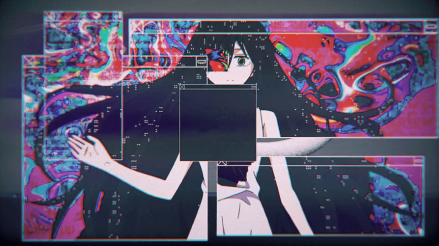
Each time he enters the id well, Narihisago immediately forgets everything he once knew about himself. It is only when he stumbles upon the body of Kaeru, a mysterious girl who is the only constant between id well dives, that Narihisago remembers: he is the “brilliant detective” Sakaido, and it is his mission to solve the workings of this world to find the culprit. Who is Kaeru, and why is she always deceased upon discovery? Sakaido and the Kura team have yet to figure that out. But what they do know is that she’s on their side, as the state of her corpse always possesses a clue to the how and whodunit.

As much as ID:INVADED banks on the whole crime thriller shtick, it really is a story about redemption. For Narihisago, it’s about accepting the loss of his wife and daughter and his own transgressions as their murderer’s killer. The budding young detective Hondoumachi also uses her field experiences to find where she truly belongs in this wild agency. For Tamotsu Fukuda, it’s the chance to help the good guys solve a crime, even if he’s a criminal himself. The mind of a murderer is dangerous, absolutely, but it sure is insightful for tracking down fellow killers.

Kura’s detectives have to be sharp thinkers, but even more so the brilliant detectives risking their own psyche for sitting in the Mizuhonome. Between logging into unfamiliar worlds and dealing with wacky circumstances, it quickly becomes apparent that adaptation plays a critical role in this is a sci-fi mystery series.

kaeru

Deconstruction and Reconstruction

More than any other component, the visual element of ID:INVADED has to be solid in order for this kind of story to work—and thankfully, studio NAZ knew exactly what they were doing. While there are more than a handful of character design inconsistencies (particularly misalignment in the face and eyes), the whole of this project truly does handle director Ei Aoki’s vision astonishingly well.

Especially as an original project, viewers have little to go off of other than the posters and episodes themselves, but the series really works as a wholly unique and compelling visual piece. Sakaido’s mission to unravel the inner mechanisms of each id well relies on confident and daring animation, to which NAZ delivers. The animation supports this theme of reconstructing a deconstructed world.

Abstract puzzles and challenges await the brilliant detective, and as he is quick to think on his feet, Sakaido has to possess an unmatched flexibility to be able to adapt to anything the id well—or his fellow detectives—throw at him. The story largely retains its ability to entertain by following Sakaido has he adapts, reconstructs, and discovers the truth hidden amidst the chaos.

id invaded first id well

Flexibility Paves the Way

We try to show only the best sides of ourselves, but in the process we relinquish the parts that really make us humans, well, human. Some individuals like Tamotsu carry a deep sadness with them, despite the foolish smiles on their face. Others can seem rough around the edges yet are actually quite pleasant to get to know, much like Hondoumachi’s senior and mentor Matsuoka. We truly do not know the extent to someone’s character unless we actively try to understand them—all while keeping an open mind. 

As Narihisago realizes before any of his co-workers, a detective cannot be successful without thinking outside the box and being aware of the seemingly unimaginable. Not every crime is as it seems; similarly, not every person shares with you everything there is to them. Facades and farce run abound in ID:INVADED. Some people can be forgiven, and some people simply can’t. But one thing’s for certain, and you can trust Narihisago on this one: No person is without their flaws. 

mizuhanome


Who would’ve thought that one needs to lose something in order to feel complete. — Tamotsu Fukuda


Afterword

While I only followed a few shows this past winter season, I thought that ID:INVADED was definitely among one of the better watches. For filling the urge for psychological mystery in my heart and giving my mind a bit to chew on, I happy welcome ID:INVADED as a “Cake” title here at the cafe. Should you, too, be looking for something a bit more experimental while adhering to the staples of the crime genre, I strongly recommend this one. If you’ve seen it, I’d love to hear your thoughts on the series or this post down in the comments.

This concludes my May 23rd entry in the OWLS “Adapt” blog tour. My good friend Aria (The Animanga Spellbook) went right before me with a post covering the societal struggles faced by the characters of Wandering Son that you shouldn’t miss! Now, look out for my buddy Scott (Mechanical Anime Reviews) as he shoots for the moon and beyond in his post on Banner of the Stars this Sunday, May 22nd! Thank you so much for reading, and until next time!

– Takuto

A Second Chance to Shine: Land of the Lustrous MANGA || “First” Impressions

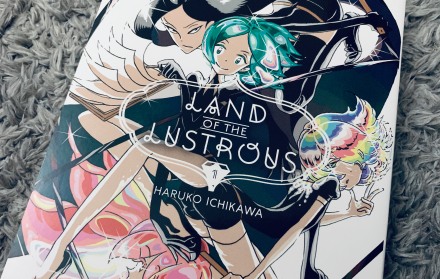
First impressions for volume one of Haruko Ichikawa’s manga series “Land of the Lustrous,” published in 2017 by Kodansha Comics.


So, I Was Wrong . . .

This is a bit of a weird post, but hear me out. The story goes like this: I’m sitting here ready to sell the first five volumes of Land of the Lustrous that I own because I wasn’t going to continue reading it. Ever since the anime enchanted me back in late 2017, I have been eager to find out what happens in the story beyond the adaptation. Everyone online is always hyping up the manga each time a new volume is released, and I wanted to join in on the fun. (This all began when the manga started being released in English, of course.)

But as soon as I flipped open the cover, I didn’t understand any of it. The characters all looked the same, the art style was visually attractive but hard to follow. None of it made sense to me. I couldn’t even get past the first chapter. So, I put the book(s) back on my shelf, thinking I just wasn’t in the right head space for reading manga.

Months pass. I distinctly recall trying out that first volume again, but didn’t get beyond the opening act. A year goes by, and this series is still sitting there looking pretty. Before I know it, 2020 is here. At some point I tried again—couldn’t do it. What was I not understanding? Was the writing beyond what I could contemplate? Why was everyone raving about this series each time a new volume was released when I couldn’t even get past the first fifty pages?

“A Perfect Adaptation”

Just the other day, Jack of Under the Scope over on YouTube put out this video titled “Land Of The Lustrous: A PERFECT Adaptation.” Now, I know Jack to be a pretty smart and reasonable guy. But this was a pretty big claim, even for him. So I watched it, eager to hear what he had to say—and what I, apparently, was not picking up.

Through his tight-knit, formal analysis comparing the anime and the manga, I walked away having entirely different thoughts about Land of the Lustrous than I held going in. I was reminded of all the wonderful things the anime series did, and why I wanted to pick up the manga in the first place. Really, my kudos go out to Jack and his editor.

I’m only writing this post now because, as you can imagine by the title, I finally completed volume one of the series—and all in a single sitting, no less! Thanks to watching Jack break down how Haruko Ichikawa constructed the manga (even if it was only his interpretation), I was able to understand so many new things about this book I had neglected for the past couple years.

For one, the panel composition is brilliant. (And no, I’m not just saying that because Jack did.) I get why it’s intelligent compositing; the word bubbles naturally guide the reader through the page, following the action, emotions, and anticipation built up before flipping to the next one. Some of Phos’s dialogue actually had me grinning, whereas many of the comments made by Cinnabar and Diamond made my heart ache with sympathy.

And the fights between the Lunarians and the Gems are unbelievably gorgeous and fluid, nightmarish and dreamlike. Ichikawa’s mastered a strong eye and steady hand for crafting all kinds of tectures: glossy hair and glassy eyes, brittle arms and blowing fields, viscous liquids and vile substances. I seen now that Land of the Lustrous is a tactile experience as it is a narrative one. Much of this is accomplished by the stark use of flat black vs. round white shapes to catch the reader’s eye, but it’s also the Gems themselves that carry the weight of this unique story.

It Was Always This Good

As graceful as the action and writing may be, a common criticism of the manga series is that it’s hard to tell characters apart. But, as YouTube friend Simply Gee pointed out, perhaps that’s part of the point. Phos lives in a world where their individuality is a stunningly hard thing to achieve, despite there only being 27 other Gems to compete against for Kongo-sensei’s attention. They all have the same body shape, wear the same clothes, and live in the same construct. Thus, it’d only be natural for characters to gradually become more defined—physically and emotionally for themselves AND the viewer—as the story progresses. Everyone will have their chance to shine eventually.

I realize this post was less of a “first” impressions and more of a commentary on the series as a whole, but the bottom line I’m getting at here is that Land of the Lustrous is very intelligently designed—and that shouldn’t stop anyone from trying to enjoy it. Heck, still I don’t know a thing about mineral hardness and Moh’s scale, but I love Dia’s caring personality and Jade’s stern, no-nonsense attitude nonetheless.

Elegant, unique, and bizarrely stylish, Land of the Lustrous is about searching for purpose in life. However, as one might expect, the book reads very different than the adaptation. In this instance, it took me needing a little push to understand why the manga is so beloved by others. But I believe learning what makes a work of art “good” will always be worth it. After all, I’d certainly rather be in the club that enjoys reading Land of the Lustrous than not—because it’s very good. Then again, I suppose it always has been.


What if you tried making a big change in yourself? Maybe try something you never do would help? — Diamond


Afterword

I can’t recall if I’ve ever written a manga first impressions before, given that I don’t read much manga. If this is the first, however, I’d love to hear what you thought, as well as whether you’d be interested in more of these! I’m definitely keeping Land of the Lustrous on my shelves, and will continue reading until at least until I’ve read those five volumes I bought a while back. After that, well, I suppose we’ll see! I imagine the series only gets better, though. Thanks for reading, and until next time!

– Takuto

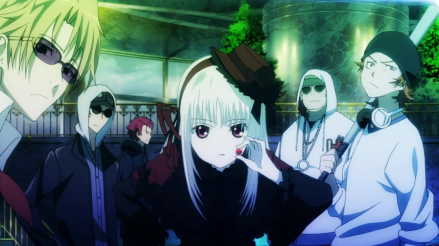
K-Project: Supernatural Secrets & Seven Kings || Review

A brief spoiler-free review of the 13-episode fall 2012 anime “K,” animated by GoHands, directed by Shingo Suzuki, Hiromichi Kanazawa, and Susumu Kudō, and based on the original story by Tatsuki Miyazawa (and GoRA).


Guilty Until Proven Innocent

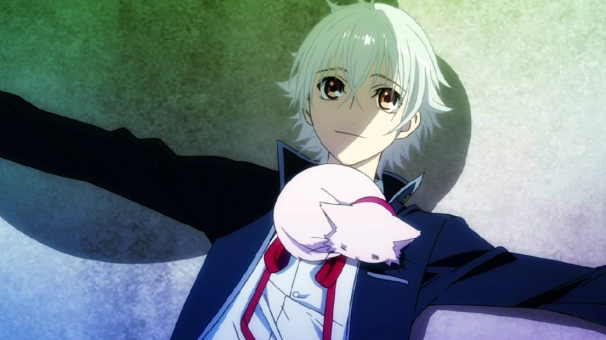
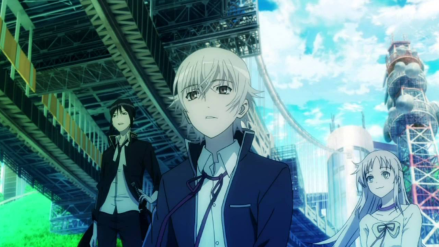
Yashiro Isana seems to be an ordinary boy—and as far as he knows, he is. When a video of the unassuming white-haired teen maniacally shooting a young man is broadcast all across the net, however, “Shiro” finds himself in the midst of a manhunt. To make matters worse, his predators aren’t your typical PD, but rather various vengeful members of the Seven Clans of Color. Ruled by seven unique Kings, these psychic clans are truly the ones responsible for making Japan the technologically advanced superpower that it is currently is.

Wanted for supposedly killing a Red Clansman, Shiro is hunted by the Red Clan as their King, Mikoto Suou, faces his own grievous trials in Blue Clan captivity. Also out to weigh the justice of Shiro’s crime is the infamous “Black Dog” Kurou Yatogami, a skilled swordsman determined to follow the will of his late master, the Seventh King. As Shiro struggles to prove his own innocence for a murder he doesn’t even recall committing, a strange conspiracy starts to unravel that calls his own existence into question. Far from concrete, perhaps memory is just as fragile as a floating cloud.

yashiro isana

What started as a puzzling murder case spirals out into a war between supernaturally gifted Kings. Although this first series centers on the conflict between the fiery Red and tactical Blue Clans specifically, I have a hunch that later entries in the franchise expand upon this calamitous war of honor, duty, and brotherhood. Season one in itself has quite a high entertainment value on its own, however; if you were to stop here, you’d still be satisfied by these 13 episodes alone.

primarily falls under the action and supernatural genres, but isn’t afraid to sneak in a joke or two here and there. In fact, the entire first half of the series—besides following the whole mystery plot about a boy trying to find evidence for a crime he didn’t commit—shows off the rather ordinary daily lives of Shiro and his classmates. It’s a peaceful beginning to what will eventually be an all-out war in the latter half (and subsequent adaptations). All the tensions gradually build to this superb midway twist, ending with a grand identity reveal and the inevitable, explosive duel between the Red and Blue Kings.

These first seven or so episodes are spent watching Shiro and Kuroh gradually warm up to one another, and the addition of the mischievous shape-shifting cat girl Neko adds a layer of gag comedy that’s surprisingly effective. I’d even go as far as to say the first half is stronger than the second, but that’s just me being picky—the whole narrative is tons of fun. Finding out how Shiro—unbeknownst to even himself—is deeply woven into the lives of all these characters is really cool. If you enjoyed any of the Science Adventure Series or Eden of the East, you’ll likely be entertained by just as much.

red clan

Kings, Clans, and the Cat Girl

I’ll be up front with y’all, I had a lot of fun with this cast. Shiro’s an adorable and innocent little space cadet, yet holds an allure that you just can’t trust entirely . . . Due to his suspiciousness from the get-go, we are treated to an exciting narrative trick: the unreliable narrative. We can’t seem to want to trust Shiro 100%, even if we didn’t see him do anything wrong, and that’s half the battle we have to overcome. Shiro’s dub VA Sam Riegel completely sells the role, even if his voice is a little lower and more hollow-y sounding than you’d expect.

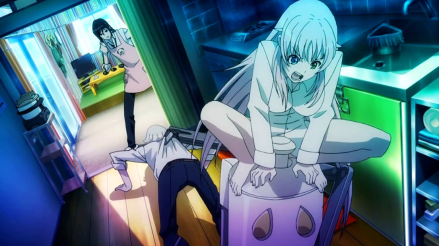
The rest of the cast is also PERFECT. Matt Mercer’s Kuroh is deep, but believably young-sounding for his age. Listening to him recite his Master’s teachings at the most odd yet pinnacle moments was hilarious—same for whenever he yells at Neko. Speaking of, Stephanie Sheh’s Neko is everything you’d want from a cat girl—and without being annoying, it’s great! If Kuroh’s view on Shiro is “Guilty until proven innocent,” Neko is the other way around, representing companionship, warmth, and trust for our protagonist. I could’ve watched this goofy trio dicking around in Shiro’s apartment for hours, their banter balances out so well. But alas, we have a story to tell—and a murder to solve.

kuroh and neko

I also love how the cast is divided into these Clans, which are, of course, colored by their respective attributes. You can expect Red Clan members to be hanging out in alleyways like a gang, roughing up opponents and violently trying to get their way in literally everything, no matter how childish. Blue Clan members are reserved, focused, and assemble formally at their base desks. They act as a vanguard of knights loyal to their King for his authority, whereas Red Clansmen protect one another out of brotherhood and respect for hierarchy through strength and acknowledgment by “the boss.” Color plays a bigger role in than simply dividing the cast up.

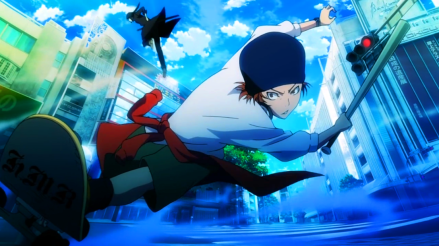
On the Blue side, I enjoyed Johnny Yong Bosch’s devilishly deceptive Saruhiko Fushimi and Tara Platt’s sultry yet strong Captain Seri Awashima. For the Reds, Todd Haberkorn’s suave bartender Izumo Kusanagi and Benjamin Diskin’s *holla at ya boy* Yata Misaki were so much fun. Ahh, Yata, DAMN I love this little shit. 

yata skateboard

The Vivid Colors of K

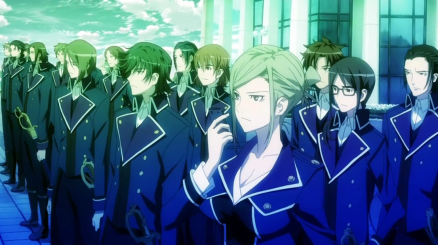
Visually, is just about one of the most unique series out there. Yes, the fight sequence animation is superb, and the character designs are very signature to each role. But what clearly stands out the most is the cool tone filter that overlays the screen 24/7. Some may find it irritating on the eyes, and I wouldn’t disagree—the bright color contrast and over-saturation can feel overwhelming. When your eyes finally adjust to this artistic decision, however, you find that this omnipresent blue-green color tone could only work on a series like K. The series is oozing with style, from the sharp uniforms and hairstyles to the meaning of color itself in the story. has a one-of-a-kind aesthetic, and I am living for it.

Can I talk about the soundtrack for a minute, because wow, Mikio Endo really knew how to deliver the directors’ vision. K‘s OST is comprised of many laid-back jazz and bossa nova-inspired tracks which support the series’ chill atmosphere. Like the visuals, the music is stylish, but it isn’t afraid to pull out a little dubstep during the action sequences or some elegant piano work for the more intimate Clansmen scenes. It’s all great stuff, and angela’s iconic OP aptly titled “KINGS” kicks off each episode with excitement. Meanwhile the ED theme “Tsumetai Heya, Hitori” sung by Neko herself (Mikako Komatsu) nicely provides that dramatic sendoff we need.

blue clan

Power, Revenge, and Redemption

Just as K is this tale of power and revenge, it is also the saga of redemption for vital parties on all sides of a dangerous war. I really appreciate the series’ attempt to fully flesh out the Red and Blue Clans and their collective attitudes and ambitions, as unlike with most stories of good versus evil, no one Clan is truly more virtuous than the other. At the end of the day, each of these characters value their pride, love, and trust for their fellow Clansmen to an equal degree; their respective Kings are just as admirable for upholding the lives of their comrades over the pursuit of power.

This isn’t an all-out war of good and evil—it’s a calculated power struggle between two forces that actually want to understand one another, yet ultimately cannot due to varying ideologies of honor and unity. Rather than fighting for glory, these Kings clash to protect their followers and friends, and I can respect that. Sure, the show feels a little rushed here and there, and there are A LOT of characters. But, this series really is so much more than your average action flick. (And all the pretty men, OOF.)

From its original mystery story and chivalric writing style (with a modern day twist) to its vivid animation and unique lighting design, is a commendable project right from the start. As to where the story goes from here: I can only imagine that as more colorful and daring personalities join the fray, will gradually transform into the great supernatural drama it was destined to be.

shiro neko kuroh


It’s not about a man’s appearance, or even what’s on the inside. My policy is to judge a man by his actions. — Kuroh Yatogami


Afterword

So yeah, I liked just as much as I thought I would! My only qualms would be that the story doesn’t hit “as hard” as it should when I know it’s trying to. Perhaps that’s just on me, but feel free to share what you like most about this series down in the comments! As for the cafe, I’ll gladly welcome as a “Cake” title, one that is too sweet to miss out on. I can’t wait to explore the rest of what this franchise has to offer. I read that there’s a film, a sequel, and a series of movies after that—looks like I know what I’ll be doing these next couple weeks! Thanks for reading, and ’till next time!

– Takuto

Millennium Actress & Our Obsession with the Chase || OWLS “Devotion”

Chances are that if you were linked here from another blogger pal, then you might be new. To those first-timers, “Hi, I’m Takuto, welcome to my anime cafe!” For the OWLS blog tour’s third monthly topic of 2020, “Devotion,” I wanted to give special spotlight to a recently rescued and released anime film that I’m sure many fans of the early 2000s era might recognize: Satoshi Kon’s magnificent Millennium Actress!

When we talked about fandoms, we show our appreciation and support by buying merchandise, cosplaying, writing fanfiction and etc. In fact, our appreciation can end up looking like a sign of religious worship. For this month, we will be talking about how certain characters express devotion to others, objects, and values. We will also be discussing how devotion can turn into an unhealthy form of passion and obsession and the implications of that.

I’ve got an interesting angle for this one that I hope you guys will enjoy. Thanks Lyn for the prompt!

chiyoko rides


A brief discussion of the 2002 anime film “Millennium Actress,” animated by Madhouse, directed and based on the original story by Satoshi Kon and Sadayuki Murai. 

A Once-in-a-Lifetime Opportunity

Have you ever been starstruck? You know, met or have worked with someone so cool, famous, or at least well-renowned in your area that you find yourself absolutely mesmerized by this person’s presence, their every word? Well, that was budding filmmaker Genya Tachibana to Ginei Studio’s star actress, Chiyoko Fujiwara, many decades ago.

Now, at the turn of the millennium, the legendary studio is set to be demolished. As an ex-employee, Genya decides to honor this occasion with a special commemorative documentary about Ms. Fujiwara herself. Having retired at the height of her career, the sweetheart of Shouwa Era cinema has lived a reclusive life up in the mountains. With the hour now at his chance, an eager Genya cannot be more excited to place his lifelong idol back in the spotlight one last time.

As a young lover of film and the industry, Millennium Actress quickly won my heart. Navigating through over a thousand years of Japanese history, the film seamlessly bobs and weaves through entire eras by showcasing all of the major roles Chiyoko has played throughout her prominent career. Nearly an hour and a half of carefully crafted cuts and quick visual tricks culminate in an experience that is as unique as it is autobiographical and personal to this now very tired, very humble elderly woman.

Chiyoko’s narrative gracefully guides us through the three major periods of her life: adolescent fame, her blossoming teenage years, and her still-yet accomplished adulthood. Specifically, we see how a young girl’s early encounter with love shaped the rest of her life. Driven by romance and adventure yet saturated with the pains of drama and missed opportunities, Kon’s film—with Chiyoko’s character—lives on today to inspire an entirely new generation.

chiyoko elder

A Fateful Encounter Under a Full Moon

From samurai to spacesuits, Chiyoko Fujiwara has played them all throughout her fabled career. To call her a person of passion would be an understatement; very few actresses can embody the wide range of personalities appropriate for acting as a woman living in so many different historic eras, as well as so many countless roles. And yet, our “millennium actress” is capable of being the perfect heroine for all time! So what drove the idol of Genya’s dreams to become a master of her craft? Well, like it might happen for any of us: she fell in love. 

Before she became a household name, Chiyoko was caught in an incident which involved her helping an injured man. Although he supposedly may have been an “art thief” on the run, that didn’t stop childhood Chiyoko from being swept off her feet that fateful night. In their short time, they bond over simple life pleasures together, one of those being the moon.


Chiyoko looks up at the night sky, remarking how beautiful the full moon will be tomorrow. But the “man with the key” says that it is most beautiful now, for once the full moon is here, it only begins to wane. Whereas, it is under this this sky that you can spend the whole night looking forward to what the moon will become.


I think that this single, beautiful metaphor is representative of the entire film. I’m sure the mysterious man with the key who lives day-to-day may value this philosophy due to his risky occupation. But after her date with destiny, Chiyoko won’t ever be able to shake the man’s charm from her memory. In a long-winded and tiring search spanning a lifetime, Chiyoko scours all of Asia for any chance to reunite with the man. Even when she loses the one symbolic representation of their relationship—the key which unlocks “the most important thing”—she never stops longing for his love. She chases after him, and relentlessly so. After all, the chase kept her excited—-kept her living on the edge of love, forever—-and allowed her to feel eternally young at heart even as her hair grayed and memories began to fade.

chiyoko runs

It Was Never About the Destination

Hidden high up in this quiet mountain home is a thousand years of Japanese cinematic history just waiting to be narrated. Chiyoko’s deep reflections of the past take Genya and the viewer on an illusory journey through the saga of an actress’s career and her incredible filmography. As the actors in her life blend with the characters on screen, the tatami beneath their feet shifts from stage to stage, and the present completely blends with the past.

This is the extraordinary tale of a phenomenal actress who was so devoted to pursuing the love of her life that she stumbled through a legendary film career in the blink of an eye. Similarly, we also see how a fan’s positive and passionate devotion to his idol can lead to wondrous outcomes with the right intent behind them. Though the remarkable actress may have retired at the height of her career decades ago, Satoshi Kon’s directorial magic absolutely has you convinced that the curtain on her life’s stage has yet to fall.

chiyoko key

Does Chiyoko ever see the man with the key again? Well, does it really matter? If nothing else from this story, what we come to understand is that when we have our eyes set on only one thing in life, the meaning for everything else can start to fall from our view. Perhaps, just perhaps, we had what we really wanted all along. Like the night before a full moon, maybe the longing for some things—the journey itself—is more satisfying than the destination will ever be . . .

And so, as Genya presents an elderly Chiyoko with the very key she lost so many years ago, she at last finds what “the most important thing” to her was. After a long pursuit spanning a thousand years, it finally dawns on her that perhaps she was never in love with the man to begin with—she was just lost in the tremendous thrill of the great chase. 

chiyoko sakura


After all, it’s the chasing after him I really love. — Chiyoko


Afterword

Some beauty really is timeless. There’s so much cinematic and storytelling gold here that I could write a hundred—no, a thousand—posts on this film. I’m definitely glad I held off on this one for as long as I did, but even more so thankful to Eleven Arts and Shout! Factory for licensing this gorgeous film (the Blu-ray restoration is terrific)! Need I say more for now? Millennium Actress may just be the best film Satoshi Kon ever made, a certified “Caffe Mocha” for all those who know how I do things around here. But what are your thoughts on this timeless classic? I’d love to hear them in the comments!

This concludes my March 27th entry in the OWLS “Devotion” blog tour. My dear friend Mel (Mel in Anime Land) went right before me with a post on K-pop and idol culture that you can read right here! Now, look out for Megan (A Geeky Gal) with a post on one of my favorite romance anime, My Love Story!!, this coming Monday, March 30th! Thank you so much for reading, and until next time!

– Takuto

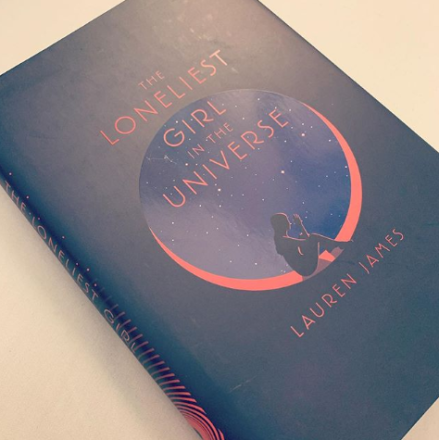
The Loneliest Girl in the Universe: A Thrilling Ride Through Space || Review

A brief spoiler-free review of the young adult fiction novel “The Loneliest Girl in the Universe,” written by Lauren James, originally published in 2017 by HarperTeen.


Adrift in Space

Carrying with it the hope of humankind, The Infinity continues its noble trek through the blackness of space, despite all but one of its crew having died on board in a horrific accident years ago . . .

Although she bears the title of first child born in space, Romy Silvers only has connection to her therapist on Earth and her wits to occupy her as she drifts alone in deep space aboard The Infinity. But to her surprise, Romy’s mundane life in space suddenly picks up when she finds out that a new NASA ship, The Eternity, has set course to meet her on her long, lonesome journey to a new planet—and sooner than she ever could have anticipated.

While initially eager to unite with another of her kind, cryptic emails from both Earth and J, the friendly pilot of The Eternity, start to trigger anxiety-filled memories of the past and terrifying visions of the future. Perhaps, as she quickly realizes, there are worse things than being alone . . .


The Infinity is the biggest, most expensive scientific mission in history. I get to be the very first person to see the results. I’m so lucky. — Romy


A slow-build yet gripping sci-fi thriller with a sprinkling of romance throughout the journey, the plot of The Loneliest Girl in the Universe begins leisurely by showing us several chapters of Romy’s character and daily routine, but rapidly escalates in the last third of the novel (AKA the big plot twist part). To build this energy up, author Lauren James features a countdown system instead of traditional chapter titles or numbers, most beginning with “365 Days Until The Eternity Arrives,” then “364 Days . . .” and so on. 

The book’s printing is quite large and generously spaced out, making these 300 or so pages seem like they just fly by. It helps that James writes short chapters, most being no more than a couple pages. Like a series of diary entries strung together in one large narrative, we quickly get a feel for who Romy is, and why things like people—not the black abyss of space—scare her most of all. 

Finding Strength in the Darkness

Lemme begin by getting it out there: If you’re wanting a story with strong feminist energy and mental illness rep, this one’s all for you. Romy may only be sixteen years old, but given her scary close relationship with loneliness and anxiety, she’s one hell of a ship commander. I really appreciate the mental illness rep going on here. Romy’s severe anxiety doubles as both something she must learn to accept (or fight) AND a first-person story-telling trick: the unreliable narrator.

Sometimes we have to question whether the sights and sounds Romy experiences in the night are real terrors or nightmares stirred by her anxiety, and Lauren James handles the balance between the real and surreal with incredible deft and care. James has created a feminist character who’s stronger than she knows, and following her journey has me inspired to face some of my own fears with isolation and nihilism.


It’s hard to focus on the future when the past is so distracting. — Romy


One of Romy’s qualities that I absolutely commend is how—despite having the ability to spoil herself—she always puts the needs of The Infinity first. Always. It’s her ship, clearly, and she feels strongly for it just as how any of us would for our own children. When ship efficiency emails start to suggest that Romy observes using less electricity by turning out the lights early or conserve water by taking shorter showers to maintain ship’s water supply, she obliges, even if the message’s sender seems sketchy.

She knows that being the sole commander of The Infinity comes with it the responsibility to maintain the vessel; making necessary sacrifices is just one part of the job. This respect and care for her ship—her home—is no doubt a trait she inherited from her dutiful parents, especially her good-natured father whom Romy was especially close to. As the story unravels, we gradually find out how they met their end, as well as the understand the tragic events that occurred during Romy’s early childhood that led to her being alone.


My life is a gambling chip thrown carelessly across the universe in the hope it’ll land somewhere my descendants can survive. I represent the culmination of centuries of human achievement and exploration. But who cares if my name goes down in history, if no one remembers who I really am? — Romy


Thrilling to the Very End

If you couldn’t already tell, I had a blast getting to know Romy and speculating with James as to what interstellar travel may be like in the near-distant future. I also loved the messages of longing and learning to love yourself, even if that process can be slow, confusing, and often painful. While I had my suspicions about certain plot twists, I was completely thrown off by the exciting change of pace near the finale—what a fantastic ending! It makes me appreciate even more the 150-200 pages of careful build-up that Lauren James so meticulously crafted—and I was already enjoying the adventure since the first page!

For those looking for THE perfect solitude-vibes title during this quarantine we’re all under, I cannot recommend The Loneliest Girl in the Universe enough. Lauren James has laid out a carefully plotted journey beginning as early as the title itself. There’s also a lot of references to pop culture—including YouTube, Netflix, and even fanfiction communities—that help bring Romy and her situation to life.

Just know, though, that this isn’t your typical fluffy long-distance romance plot. Sometimes the story is uplifting and kind, but other times it’s really gonna try and scare ya—don’t underestimate that part. Intelligent, suspenseful, and deliberately cautious, The Loneliest Girl in the Universe is thrilling to the very end—even in its quietest moments.

loneliest girl insta


This voyage was never meant to be easy. It was meant to be important. — Romy


Afterword

Man, what a wonderful, terrifying, and weird little book this was. Special shoutout to Natalie (Book of Bee) over on YouTube for recommending it to her viewers—it was delightful! While not technically an anime or film, I’ll gladly welcome The Loneliest Girl in the Universe here as a certified “Caffe Mocha,” a rating reserved only for the best works! If you read this novel, PLEASE, tell me what you liked or disliked about it in the comments! Also, if you’ve got any recommendations that are similar to this one, be sure to leave those too. ‘Till next time!

– Takuto

Azur Lane: Ships, Sisterhood, & the Warring Seas || Review

A brief spoiler-free review of the 12-episode fall 2019 anime “Azur Lane,” animated by Bibury Animation Studios, directed by Motoki Tanaka, and based on the popular side-scrolling shoot ’em up mobile game franchise of the same name.

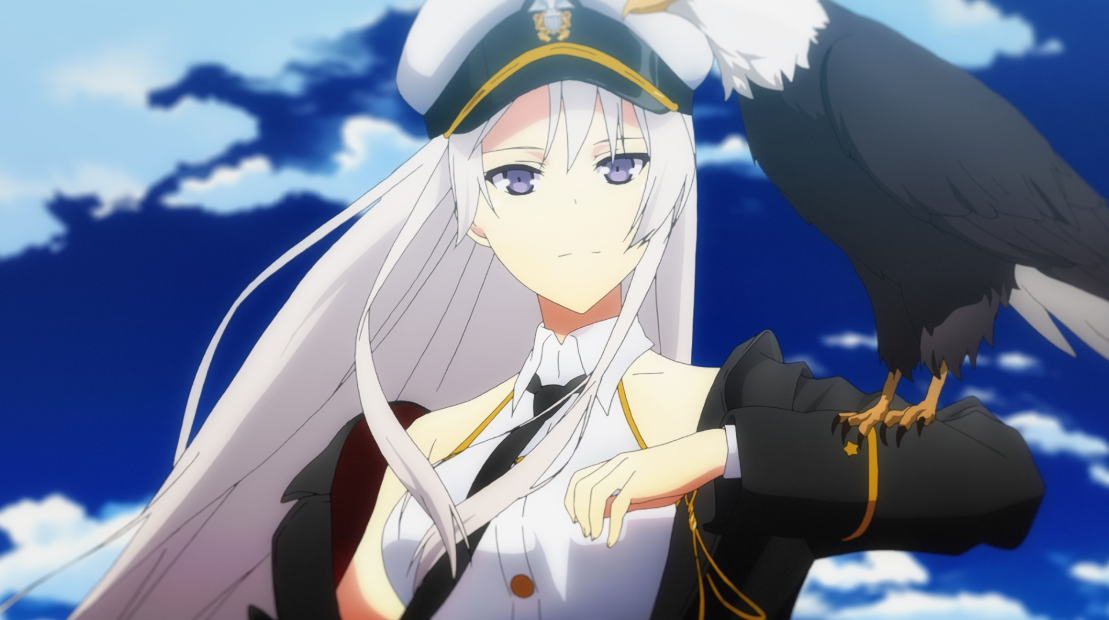
Enterprise and eagle union


War is Bad, PERIODT. 

The “Sirens” came without warning, decimating any ship on the open seas with their overwhelming, technologically advanced arsenal. To combat the alien invaders, a divided humanity rose in complete unity for the first time, forming the Azur Lane. Armed in their alliance, Azur Lane powered through their mutual enemy with revolutionary improvements to modern warfare. However, opposing ideals in future confrontation with the Sirens caused the alliance to split in two: Eagle Union and Royal Navy with Azur Lane, and Sakura Empire and Iron Blood forming the Red Axis. 

Although these nations continue to skirmish with one another on the high seas, schemes of independent parties within the Red Axis working together with Siren technology to dominate the world threaten all of humanity. As one particular soldier comes to terms with her own personality and ambitions, however, the hope for reuniting humankind may be found in some ideals that even war cannot shake: empathy, camaraderie, and sisterhood. 

In an attempt to find duality, the series goes about telling the “war = bad” theme by contrasting the pleasantries of daily life in both Azur Lane and Sakura Empire with the frustrations of conflict on and off the battlefield. (Spoiler alert, fighting ain’t much fun no matter which side you’re on.) I think this speaks volumes about the series’ viewership, though, as my favorite parts were, in fact, the high energy combat scenes. Chalk it up to my obsession with ship fighting in general, but when the girls are geared up for war, the show promises to at least be halfway entertaining. Otherwise, the plot itself is full of generic motivations and reveals on both sides of the tide. 

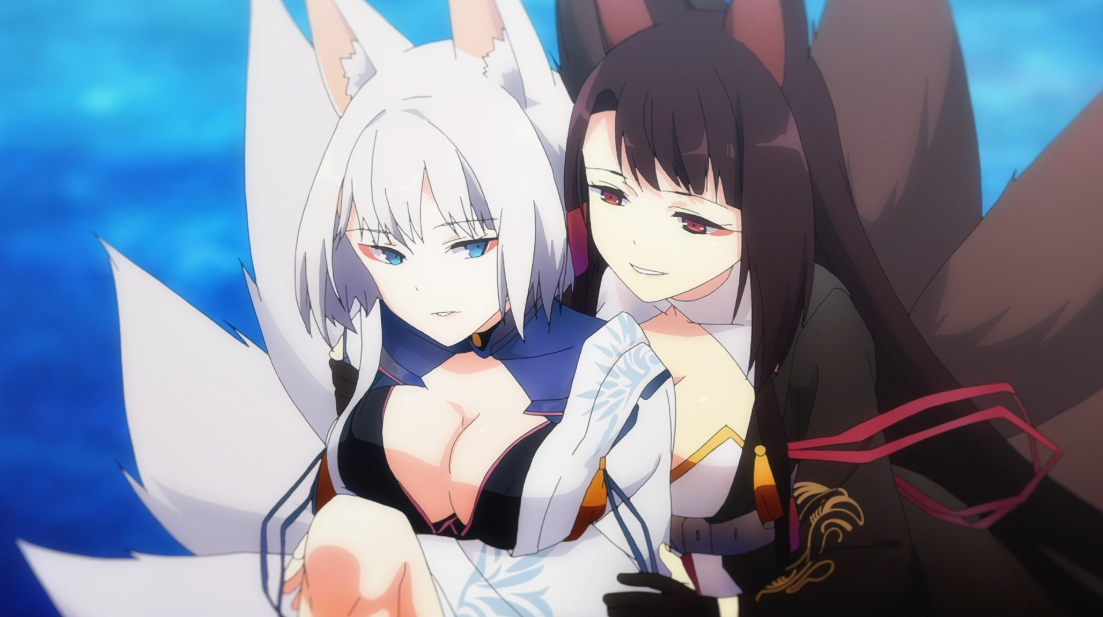
akagi and kaga

Iron and Steel—But Make it Fashion

While I’m no stranger to cute girls fighting with heavy artillery ALA Strike Witches, Girls und Panzer, and basic knowledge of Kancolle, I am a newbie to the Azur Lane franchise. The series markets itself under the sci-fi action and military genres, but spends far too much time indulging in forced yuri shipping and awkward loli lewding. (I mean, these are anthropomorphic warship girls—you already know the kind of audience they were tailoring this franchise to.)

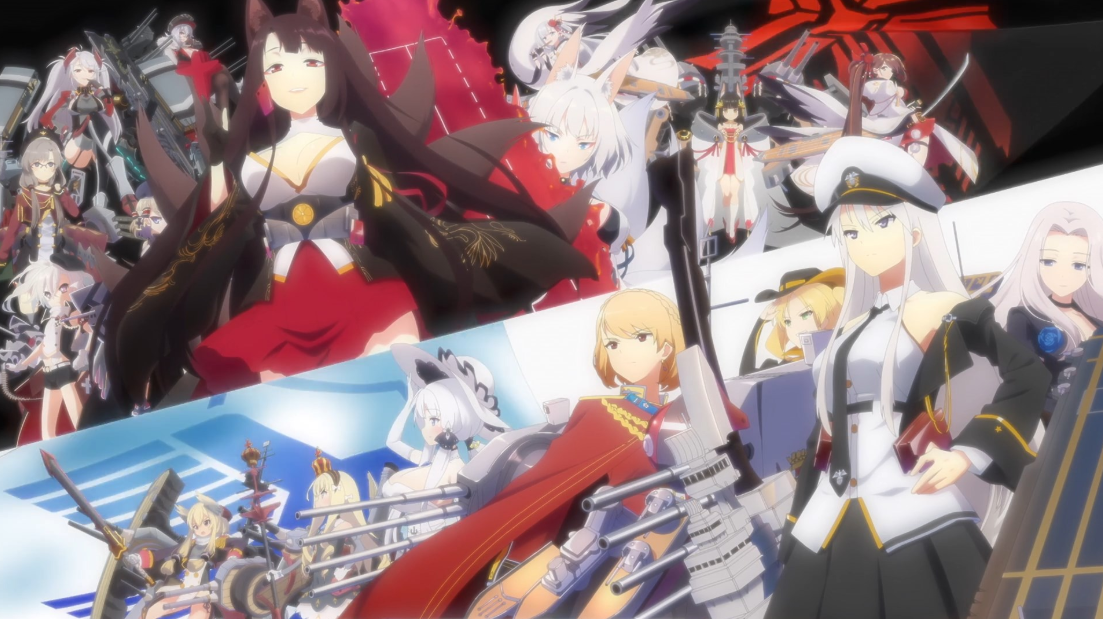
The fan service is clear and abundant (and not really my thing). But, the core premise of iconic and historical ships clashing in what is at least to say a “unique” fashion is actually quite cool. Thinking back, were it not for the eye-popping and abstract character designs, I might not have stumbled upon this title at all. Seeing how the various ship parts come together to form a semi-feasible battlesuit must’ve required some intense layout and design work—especially for the more elite warships—so props to the character designers on this one. These characters may already originate from the game, but to make these girls move AND not seem overly clunky, man, hats off to ya!

character designs azur lane

As for the characters themselves, this is where Azur Lane starts to sink. I get it that franchise adaptations don’t want to leave a single girl out, but WOW, they really did just try and shove every single major and minor character into this one. And it shows, because aside from the stoic “Grey Ghost” Enterprise herself (given life by Rachael Messer’s powerful performance in the dub) and her few close companions (namely the lovely Lindsay Seidel’s benevolent Belfast, and Jad Saxton’s elegant Illustrious), I couldn’t really tell you a think about any of these girls. The sidelining in this one is so bad that you could practically take out the entire Iron Blood faction and the story would be the same. 

Oh ok, I suppose Amber Lee Connors’ cunning and devilish Akagi is worth an applause, same for Dawn M. Bennett’s strong performance as Akagi’s dear sister, Kaga, and Mallorie Rodak’s low and majestic Prince of Wales. On the other hand, I particularly found ALL of the lolis to be more annoying than cute, save for Tia Ballard’s Laffey and Lara Woodhull’s Ayanami, although that wouldn’t be a fault of any of the voice actors so much as children just being, well, children. As a whole, the dub is quite enjoyable, and the accent work is a nice touch. 

Illustrious

A Strong Soundtrack *Almost* Saves the Day

Where the story tanks into generic territory, the production value of Azur Lane helps keep things interesting. You can clearly tell that a variety of talents handled the animation in this show, cause oh man, when it’s bad it’s so awkward to watch—but when it’s good, it’s badass, and that’s what I want to talk about here. The best fight scenes in Azur Lane are on par with Fate/Apocrypha levels of fluid sakuga. Episode 8 is a standout particularly for both the dramatic tone shift in the story and the serious, high-octane battles that take place on these warring seas. 

On the music side of things, I love battle anthems, and Azur Lane is FULL of them! The OST is the strongest unsung aspect of this adaptation, believe it or not. Lots of epic orchestral tracks cue the opening shots of war, and each of the nations have their own culturally appropriate couple of tracks to accompany their respective atmospheres, Sakura Empire’s Japanese-inspired melodies being my favorites. It’s a shame I couldn’t find credits for the composer on MAL, but I would assume these tracks also come from the mobile game. Lastly, the OP theme “graphite/diamond” is full of great energy, and is unmistakably characteristic of the wonderful May’n!

Enterprise finale

A Game of Hit and Miss

Depending on what you’re coming into this show for, Azur Lane may land hard or miss the mark entirely. I heard that even fans of the game didn’t care much for the anime, but that’s besides the point. However generic the story and cookie-cutter characters feel, there’s a lot of interesting things being done on the production side. Additionally, the themes of family being crazy and soldiers finding purpose in life beyond fighting will always be captivating ones for me. Overall, I found myself engaged with Azur Lane‘s unique character designs and soaring string melodies, so I’d say it was entertaining enough. As for being memorable? Meh, I couldn’t give a ship.

warships


The truth is . . . war never changes. It’s exactly the same, no matter which era it happens upon. — Enterprise


Afterword

I was actually going to skip reviewing this one, but it turns out that I had more to say about Azur Lane than I originally thought. I’m glad to be able to watch and review a show that was sitting on my backlog, even if it didn’t turn out to be “the greatest” series by any means. Heck, calling Azur Lane anything more than serviceable might be overdoing it, but I’m comfortable with giving the series the “Coffee” label, a humble rating for mediocre titles like this one. If you stopped at the docks to give Azur Lane a watch, be sure to let me know what you thought about it down in the comments! It’s nice to be back in the review space once again. I’ve got more in store, so until next time!

– Takuto
Sword Art Online: Alicization is Fantastic (But you should still read the books) || Review

A brief spoiler-free review of the 24-episode fall 2018 anime “Sword Art Online: Alicization,” animated by A-1 Pictures, directed by Manabu Ono, and based on volumes 9-14 of the light novel series by Reki Kawahara.

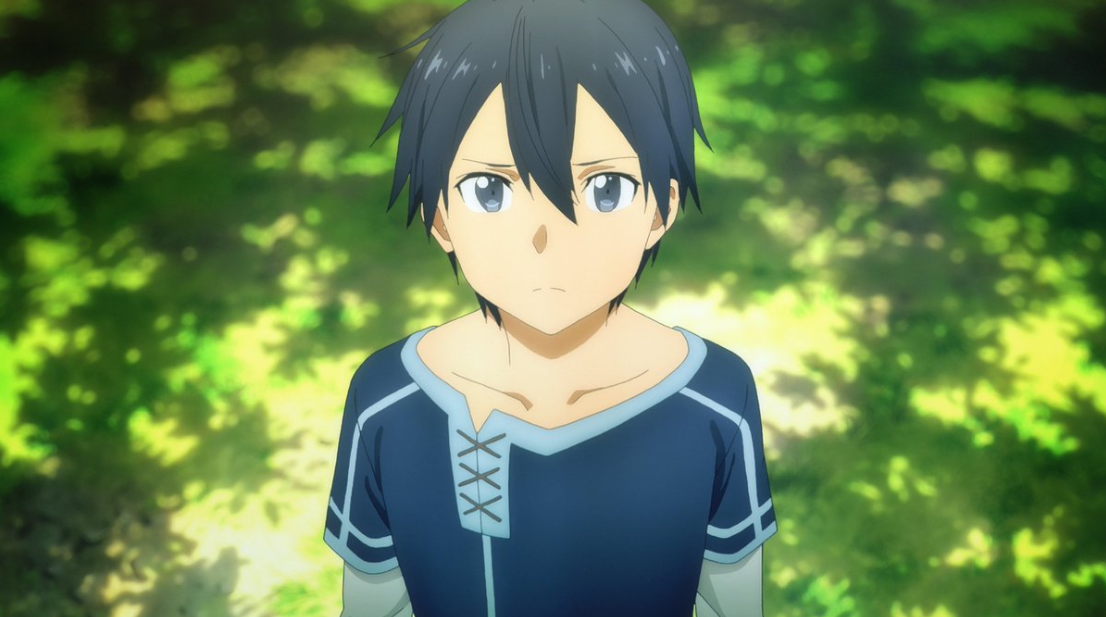
Kirito in the forest


A New World of Legends & Lore

We know the soul to be a fairly abstract, complex concept—and yet, genius scientists at the private institute Rath have mapped out its innumerous intricacies down to the tiniest electrical signal. The Soul Translator is unlike any full-dive interface that came before it, as it connects users by interacting directly with their Fluctlight, the technological equivalent of the human soul. To perfect their system, they enlist the aid of SAO survivor Kazuto Kirigaya, whose experience in VR worlds is, well, unique to say the least. At Rath, Kazuto works part-time to test the system’s capabilities in the Underworld: the fantastical realm generated by the Soul Translator.
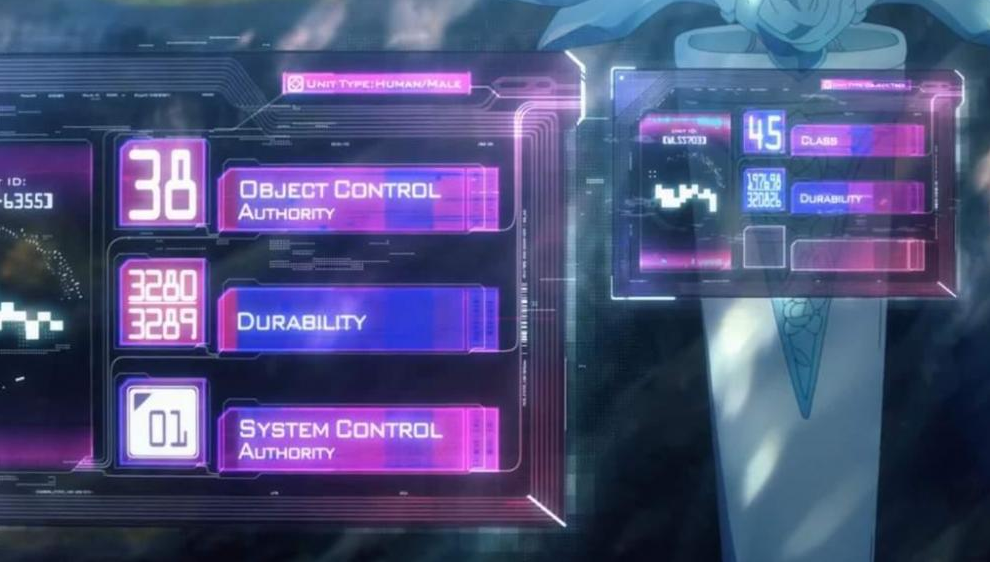
While his confidentiality contract forces any memories created by the machine in the virtual world to be wiped upon returning to the real world, Kazuto vaguely recalls a name—Alice—and looming feelings of frustration.

All looks well for Kazuto’s part-time gig, until one evening while escorting Asuna Yuuki home. A familiar shadow from old Aincrad days mortally wounds Kazuto in a fight, but when Kazuto awakens, he doesn’t find himself in a hospital bed, but beneath the tall trees of a forest. Somehow, he’s been forcefully plunged into the Underworld—and with seemingly no way to escape. With no where else to go, he sets off on a long quest for Central Cathedral, a tower that soars high into the clouds, which might contain the answers he seeks—including the dark secrets holding the fabric of this entire world together.

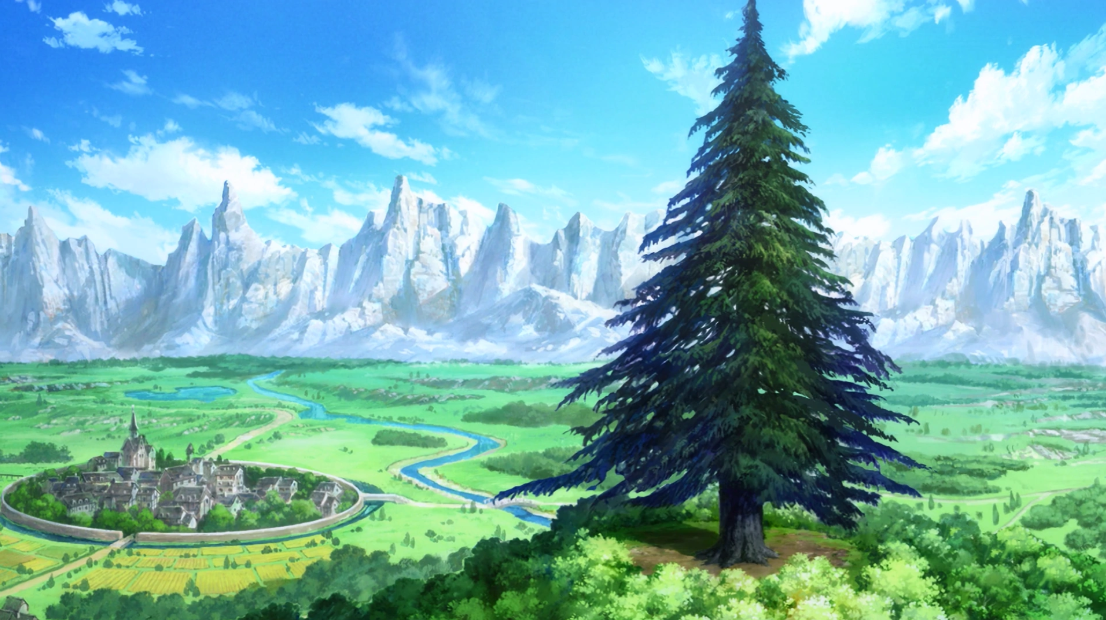
gigas cedar

Once again, SAO is forcing light novel technological babble down our throats and naming it science. Call Kawahara’s musings with the concept of a physical soul the first major sci-fi plot hole in this newest story, but the series rolls with it anyway. Once you add in the fact that time experienced in the Soul Translator can be sped up by several hundreds or slowed way down, we might as well abandon all sense of realism and embrace fiction—as it should be.

All-in-all, SAO continues to be an engaging action fantasy series with a splash of sci-fi at its core. Unique to this newest story arc (the longest one in the series, might I add), is the central focus on the theme of adventure. You could say that SAO‘s always been an “adventure” series, and I wouldn’t disagree. But Alicization takes a more traditional approach to the genre. In Underworld, there are villagers, craftsmen, and other occupations customary of an old-fashioned fantasy adventure world. There are also magical rituals that the residents of Underworld engage in, spells, if you would, or “System Commands” as a gamer might know them. There’s more world-building in this single half of Alicization than in all of SAO‘s other VRMMO worlds combined—and to think that there’s ten times more to explore in the novels!

stacia window

The Problem with Pacing

To be fair, even the source has this trouble, with one chapter encompassing the span of several years and THREE volumes chronicling a mere 24 hours. As far as I’m concerned, this marks Alicization‘s second half as having one of the longest days in anime history, and one of the greatest battles of attrition ever written. In true fantasy adventure style, resources become scarce the closer our hero(es) get to the tower. Just when you think you have it all figured out, expectations quickly get flipped on their head. Never have I had so much fun with the unpredictability of a narrative than I did while reading/watching Alicization. 

Regardless of how you are consuming Alicization, it goes without saying that the story is full of deep lore, despite the rapid pace to fully appreciate it all. One of my favorite gimmicks from the series was how each Divine Object (AKA weapon) had a story to it, a history that plays a massive role in how to wield it correctly and unlock the blade’s full potential. Discovering how each foe’s blade was constructed (typically through the glorious art of combat) shows the depth of world-building and creativity that Kawahara has invested into this series.

In fact, the warriors we meet along the way (and their loyal weapon of choice) were SO cool that I was expecting lots of thrilling fights . . . which we only kind of got. While SAO continues with the theme of survival and the struggle to live, the fight scenes end so quickly that you’re left with very little fear for our characters’ well-being. After the visual marvel that was Ordinal Scale, I was expecting longer fights, more world-building, and more explanation, and while everything here is a good start, it’s not something I’d turn in for a final project. This story made me want so much from the fight scenes in particular, yet the rapid pace unfortunately leaves little to grapple with.

alice synthesis thirty

In general, there’s a lot of “dangling the carrot” with crucial story elements that the books thoroughly explored but the anime had to cut. Switching gears to something entirely new happens without warning, and this knowledge whiplash can leave viewers unsatisfied. This adaptation, despite totaling 50 episodes by the end, will be missing A Lot. For instance, there’s much more to the origin and purpose of the Gigas Cedar that anime-onlys will never get to understand, and that world-building element is crucial to helping define the personalities of many of these characters (like Eugeo).

Boy with the Flaxen Hair

The characters, OH the characters. I love the Alicization cast. Seeing Kawahara’s stylish knightly character designs come to life with splendidly textured armor and brilliant color palettes is especially a treat. For me, the titular Alice Synthesis Thirty was one that benefited the most from this adaptation. Maybe it was actually hearing her low, authoritative voice (thank you Ai Kayano), but every righteous word she speaks hold incredible weight to her character, and we are blessed that she has some of the best lines in the entire series. She is sure to play a critical role in the show’s second cour, no doubt about it.

Speaking of best lines in the series, I have to give it up to Alicization for giving us one of the coolest villain stories in anime. Administrator’s presence is legitimately chilling and terrifying. She’s a diva of chaos, yet so divine in her destructive ways. The allure of her calculating, piercing, silver eyes draws you in, marking her as manipulative, cruel, and obsessed with vanity and control. In this world, she is absolute authority, perfect stasis, and serves as a thrilling antagonist when pitted against the little mage in the library, Cardinal.

quinella awakening

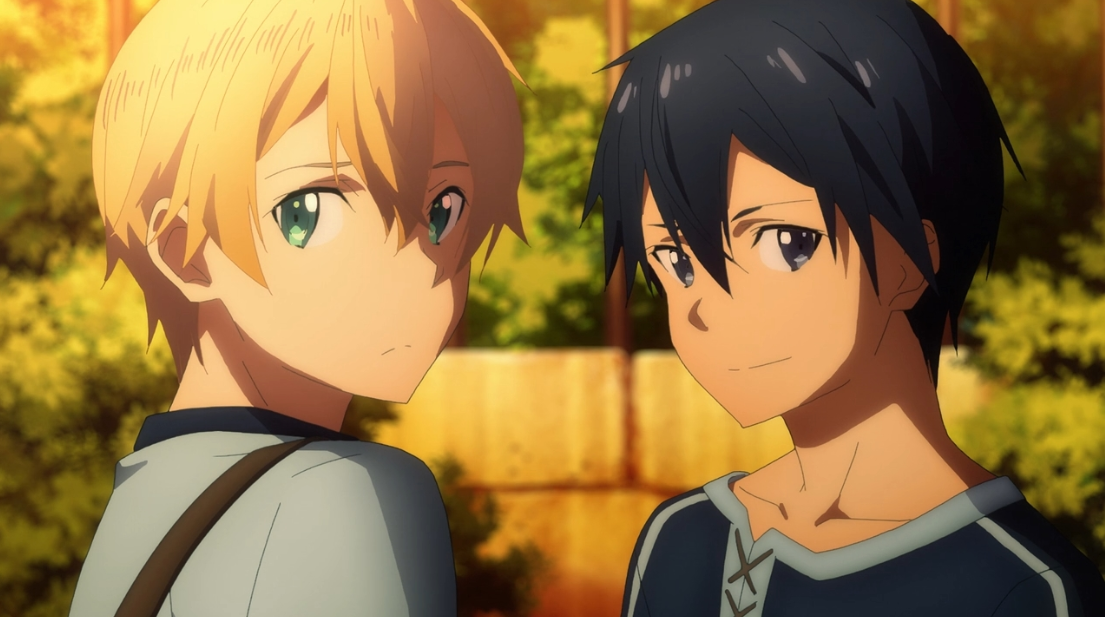
What makes Alicization so special to many fans (myself included) is the addition of Eugeo, Kirito’s faithful friend that he meets upon waking up in Underworld. He’s the boy with the flaxen hair, and few are as hardworking, kind, dedicated, and endearing as this country kiddo. Eugeo is the softest boy, the bestest boy, and he’ll make you tear up more than once for sure (BLESS his VA Nobunaga Shimazaki).

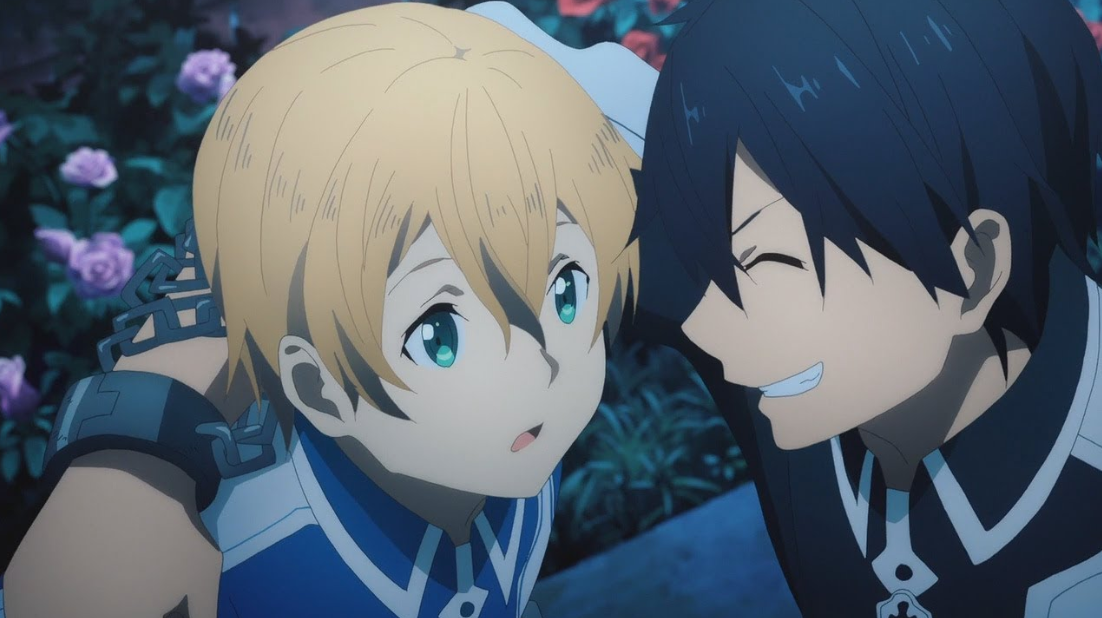
Watching Kirito’s quirks and mannerisms both clash and rub off on Eugeo during their Swordsman Academy years fills me with so much life. As he grows from humble woodsman to a noble knight protecting the human realm (and beyond), it becomes no contest that although Alice may carry the name of the series, Eugeo holds the heart. I think giving Kirito a companion—a friend—like Eugeo makes him seem more human than anyone else could.

Eugeo and kirito

Kitito’s headspace has always been crucial for understanding why this narrative is compelling, and the anime is notorious for cutting a lot of that out. While Aincrad, Fairy Dance, or Gun Gale weep, Alicization suffers. This entry in the franchise was the one able to prove to me that KIRITO IS A LIKABLE CHARACTER. But once again, the anime doesn’t give enough of his inner dialogue to completely convince you, which is deeply saddening cause, yeah, I like Kirito now.

Kirito’s inner turmoil about whether to save Alice Synthesis Thirty or the Alice Zuberg from Eugeo’s childhood—that which is the hero’s ultimatum—is almost entirely omitted, making the final fight seem significantly less weighty and stressful than it should. Eugeo’s sad struggle to connect with his family is vaguely mentioned, despite it being the anchor holding him back in the beginning arc (and being key manipulation for his actions near the finale). And I haven’t even started on the knights! I’m telling ya, read the books!

village kirito and eugeo

An Ambitious Project

I thought Fate UBW was wild, but wow, the digital effects work for Alicization is just nuts. Absolutely stellar coloring, layering, lighting, textures, special effects—you name it. The fights are exciting and fluidly animated, yet some of the camera angles and visual distortions don’t pay off as well as they may have been intended to. Some combat moments feel stiff or unrealistically warped, detracting from the thrill of battle. Other fights have awkward choreography, but otherwise decent direction from Manabu Ono. A quick shout-out to the background artists, as Alicization is full of beautiful scenery—the scaling of the landscapes is truly awe-inspiring! 

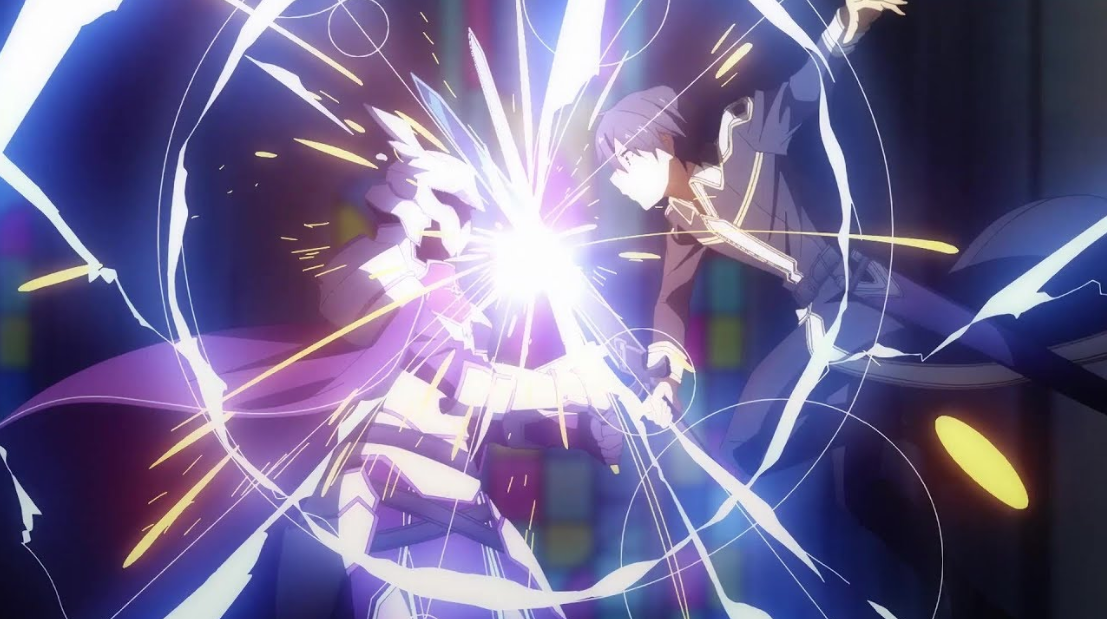
Given its rapid pace, huge ensemble of colorful characters, and reliance on high-energy fight sequences, animating the entirety of the Alicization was an ambitious project on A-1’s part. With a grand 50 episodes spanning across several seasons, it’s almost expected that animation quality will eventually dip in parts. Although most of the shots themselves are beautiful, there is no shortage of impossible midair jumps and lofty sword swings to be found. That said, the opening confrontation with the goblins and the light-show spectacle of Kirito and Eugeo vs. Fanatio boast thrilling, gorgeous animation.

So, it’s a bit of give-and-take, but overall a very solid production minus some awkward fight choreo here and there. (The Blu-ray edits bring drastic improvement the broadcast version, including vibrant lighting and layers of cool new special effects previously unseen!)

kirito vs fanatio

Wherever might the visuals stumble, the music soars. Kajiura makes SAO always worth it. Easily her best work with the series yet, Kajiura continues to create strong themes for these characters. The iconic “Swordland” theme (reprised here as “Sacred Swords”) will never not make my heart fill with overwhelming feelings. Listening to “Gigas Cedar,” “Sometimes she feels lonely,” “Tenderness and Strength,” “Climbing up the wall,” “Quinella,” and “She won’t stand for it” remind me of the chivalry, nobility, and courage of Eugeo, Alice, and all the other knights.

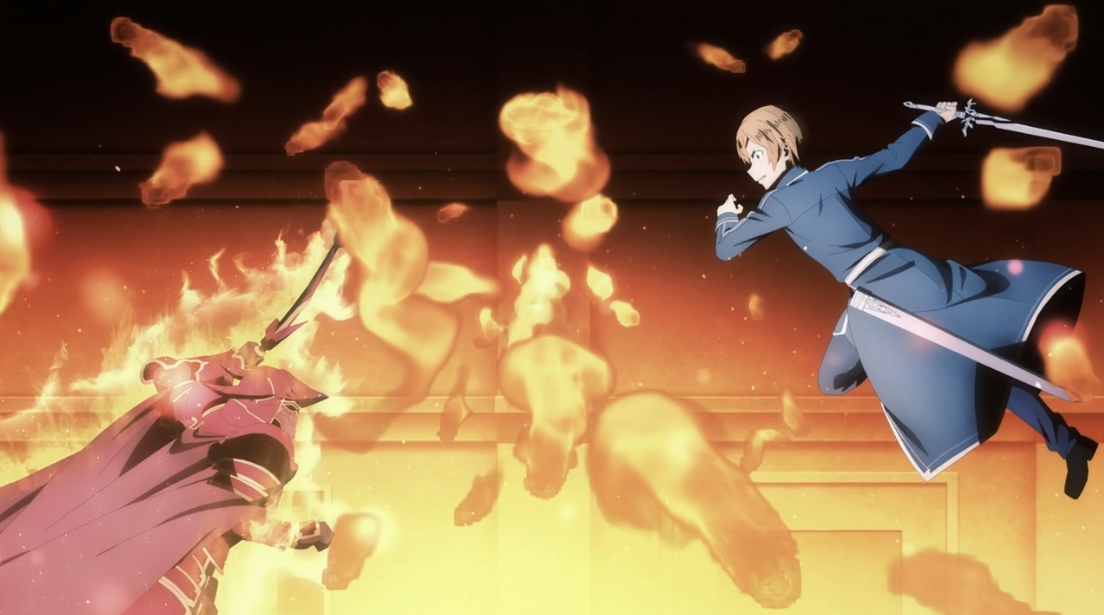
Manabu times these epic theme drops with all the crazy special effects of swords clashing and rippling energy beams to create utterly perfect sound direction. It’s an enchanting soundtrack rich with melancholic piano solos, delicate harp ballads, dramatic orchestral and choral tracks, and inspiring percussive anthems—heck, it wouldn’t be far off to call this one of my favorite OSTs in all of anime. ALSO, LiSA’s “Adamas” is best OP!!

Eugeo vs flame knight

Pulling Everything Together

The larger themes that SAO has been playing with since old Aincrad days finally come to the forefront in Alicization‘s legendary first half: What it means to live in a virtual world. What value virtual life has. The irony of fate. Desire and temptation. The cruelty of love. Obsession and deception. What it means to control. The roles of power and influence. What it means to be the hero. Defying our program to do what we think is right. And whether painful memories that only cause grief are worth keeping. Yes, SAO has always been this deep, and it only gets better.

With mystic foreshadowing, emotional highs and lows, excellent dialogue that is both powerful and poetic—these are the things that I want from not just SAO, but a true fantasy epic; the deeply integrated sci-fi background makes it all the more unique and fascinating. Each development builds on the one that came before, yet in a way that makes everything you previously knew to hold so many different, often construed and conflicting meanings. Again, the use of dramatic irony is highlighted, especially in some of the mid-late developments.

Wrought with dynamic character motives, a tightly written story, music that is equal parts enchanting as it is epic, and loaded with many twists and turns, SAO has never been this intriguing. BUT, it runs at an uncomfortably fast pace, almost too fast to revel in the intrigue of each world-shattering reveal. In the moments where I wanted Alicization to slow down and tell me more, it’d only rush along further.

That doesn’t stop the adaptation from being a highly entertaining watch, however—and one that I’ll continue to recommend for years to come. A tale woven with misfortune and heroism at every bend in the road, few stories have left me as shocked and caught off guard as the one Alicization has told so far. I eagerly await to see how War of Underworld picks up the pieces from this thrilling first act in what is sure to be a brilliant conclusion to this grand fantasy epic in the making.

eugeo and kirito finale


Love isn’t about control. Nor is it something you can gain as a reward or in a transaction. The same way you water flowers, you give it continuously. I’m sure that that’s what love is! — Eugeo


Afterword

Now, even I know that skipping the books of any series to watch the movie will involve leaving much of the original story left behind. But, at the same time, I can’t force it upon a person to read TEN freakin’ books just for this. That said—you won’t regret it, that I 100% guarantee you. You’re probably already so sick of hearing this, but Alicization really is a different beast from its predecessors. So please, consider checking it out if you thought you already might’ve given up on the franchise.

Thanks to Alicization, I came to love these characters and their world, felt new things about characters I thought I already knew everything about, and fell in love with a story. Since I have read the novels, my review is a bit biased, I realize. However, I’m still going to give Sword Art Online: Alicization the “Cafe Mocha” rating, sealing it as one of the most entertaining anime I’ve ever watched (and one of my favorite stories ever told)!

I know opinions are pretty well divided by this point, and that’s understandable. But, to those who enjoyed this first half of the Alicization story, what did you like most about it and why? Who’s sticking around for the second half of War of Underworld? I’m such a big SAO geek, and I’d love to hear your thoughts on the series, positive or negative, in the comments! Who knew I could ramble on about this series for so long? Thanks so much for reading, and until next time everyone!

– Takuto, your host

Weathering With You – Taking a Chance on Love || Review

A brief spoiler-free review of the 2019 anime original film “Weathering With You” or “Tenki no Ko,” animated by CoMix Wave Films, and directed by Makoto Shinkai.

hodaka in the rain


Fate Brews a Storm

The rain hasn’t let up on Tokyo for weeks, and it doesn’t show signs of stopping anytime soon. It’s an unusually long rainy season, and the endless showers have started to dampen the lives of those residing in the city, including runaway high school student Hodaka Morishima. He has no money or place to stay in Tokyo right now, but fate delivers him to a writing gig at a small-time journaling outlet helmed by the unkempt and scruffy Keisuke Suga. While he may not be living the Tokyo dream, Suga’s beautiful assistant Natsuki makes the crammed office feel like home.

Also struggling under the dreary Tokyo skies is the orphaned Hina Amano, who is doing all she can to find work to financially support herself and her younger brother Nagi. When Hodaka recognizes Hina as the girl who offered him free food during his first days in the city, he attempts to rescue her from shady men in suits. In their fleeting escape, Hodaka discovers Hina’s bizarre power to call out the sun whenever she prays for it. Seeing potential in Hina’s supernatural gift, Hodaka helps Hina become a “sunshine girl”—someone who can part the clouds for people when they need it the most.

Under thunderous skies and pounding rain, fate intertwines two young lives as they are forced to dig deep within themselves to try to find their own purpose in life. But while the miraculous sunshine girl is able to bring smiles to those she helps, all gifts come with a price—and what is graciously given by the elements can just as easily be taken back.

the morning sun

Visionary director Makoto Shinkai is back with another beautiful fantasy romance film that perfectly balances the daily trivialities of a slice-of-life drama with the more sincere and heartfelt emotions that we all know human relationships bring to the table. While the plot is simple in the grand scheme of things, parts of the middle (and especially the road to the end) feel somewhat disjointed. Whereas Shinkai’s other films typically feature a shocking twist that unexpectedly plays on one’s expectations (yet still directly ties to the punchline), I felt like I was just watching a sitcom of these characters’ lives with no real end goal in mind.

That’s not such a bad thing, however, as it allowed me to connect with these characters more than I have with any other Shinkai film cast, especially some of the secondary characters. And yes, while somewhat divisive, the film’s plot twists will shake up your viewing experience. Although the film lacks some of the logical build-up necessary to pull off a truly astonishing finale, emotions still run high in this story about throwing caution to the wind and taking a chance on love.

sunshine prayer

Shinkai’s Most Personable Cast

I said this about Your Name., but it would seem that with every film he makes, Shinkai gets better and better about attaching more than just spontaneous feelings and circumstantial likeness to his characters. Whether watching these Hodaka, Hina, and Nagi channeling the sun’s energy for money or following Hodaka and Natsuki as they chase down urban legend sightings, I only think, “Wow, what an incredible waste of time.” Yet, on the other hand . . .

It looks like they’re having so much fun.

When I mention above that I felt like I was watching a comedic sitcom for the earlier half of the film, I mean that I could watch these kids running around Tokyo with the wind against their backs for an entire series. Through hard work and happenstance, Hodaka quickly realizes that living the “best Tokyo life” doesn’t come from how you spend it—it’s who you decide to spend it with that makes it fulfilling. And I think we lucked out with just the kind of cast you’d want to spend part of your life with.

nagi hina hodaka

Hodaka and Hina stand for so much more than young love and determination—they represent the adversity faced by youth poverty, the ones the world left behind as it continued to spin round and round. As the rain only continues to pound on poor Hodaka’s shoulders, I can’t stress enough how central this theme is to the film. The resilience he develops thanks to his newfound Tokyo friends allows him to transform into an admirable character who can make one of the toughest decisions imaginable. Even if the whole world was against him, Hodaka draws from his own experiences and judgments to challenge the very heavens above him, and I think that’s a fantastic message for today’s youth who are growing up in a world where the deck seems stacked no matter where we go.

Having Hina, Nagi, and Natsuki by his side are just about the best companions Hodaka can ask for. Hina’s hardworking spirit and natural optimism show Hodaka that people his own age also going through dark times can not only survive but blossom on their own. Nagi’s charm and whimsy reveal a hidden wisdom as he is able to support his sister in a way that few others could. Natsuki may seem like your token “hot biker chick,” but really, she’s trying just as hard as anyone else to pull her life together and find her own path in this giant metropolis. And Mr. Suga may be the sketchiest side protagonist I’ve ever seen, but even he’s got ones he wants to protect from life’s downpour of troubles. As always with Shinkai, friends and family are just as essential to life as love itself, and that sentiment echoes in this fun, endearing cast.

family

“I Can’t Believe it Got Prettier”

Those were my immediate thoughts when watching the opening sequence alone. Sprawling cityscapes, dazzling lighting, majestic skies of clouds, and painstakingly delicate attention to detail make this CoMix Wave Films’ prettiest production to date. If you can’t vibe with the story or characters for whatever reason, you can always rely on the visuals in a Shinkai movie to be nothing short of stellar. I know he preaches about expanding past the achievements of Miyazaki and Ghibli, but honestly, I’ve always preferred Shinkai’s aesthetic when it comes to portraying reality in fiction. And he’s only. Gotten. Better.

I haven’t even praised the RIDICULOUS level of beauty the rain is animated in, cause WOW, that’s where the money’s at. I can’t even begin to imagine the sheer amount of effort and work the staff poured into making every single drop sparkle and shine as it would in real life—no, calling what I saw would only disgrace such beauty. This looks BETTER than real rain, as does everything else in Shinkai’s astonishing vision of Tokyo on a rainy day. For any architecture junkies out there (like myself), you’ll also be pleased to find a copious amount of cinematic cityscape shots and wide panoramic skies.

tenki no ko tokyo

A New Soundtrack to Love

Japanese rock group Radwimps is back to produce the soundtrack for Weathering With You, and man, these guys never miss a beat. The OST ranges from mystical harp expressions to touching piano themes, mixed in with some silly or suspenseful tracks to balance out the film. It’s crazy how well the music fits with the emotional roller coaster of the story! Truly, from the thunderous beat of the rain to the climactic drop of Radwimps’ own vocal tracks, this is outstanding sound direction.

Speaking of those vocal tracks, we are blessed with five new Radwimps songs to enjoy on endless repeat. “Voice of Wind” opens with loud, uplifting, and freeing country vibes. “Celebration” (feat. Toko Miura) serves as a wonderful transition to showcase Hodaka’s exciting adventures in Tokyo. Toko Miura comes back for “Grand Escape,” the trailer piece that guarantees to break hearts during the exciting free-falling finale with its chorus of chanting. “We’ll Be Alright” rounds out the film on a high note, if not a bittersweet ballad. And lastly, “Is There Still Anything That Love Can Do?” doubles as the catchy, emotionally stirring main theme and the film’s feature credit song. Seeing as how the music may have inspired much of the story itself, it’s no wonder that Radwimps leads the film with fervor and a hearty sense of lyrical direction.

soundtrack

No More Regrets

Known for portraying the messiness and longing often felt between two people, Weathering With You continues to deliver messages of young love, purpose, and connection that are iconic to Shinkai’s style while also appealing to larger issues than simply romance and recklessness in youth. These include impoverishment, climate change, the impact of weather in our daily lives, and the challenges thrust upon youth on by previous generations. But unlike Your Name.‘s focus on regret for missed opportunities, Weathering With You emphasizes the power of taking action for yourself, even if it’s not what others may want. In a world rocked by rapidly changing climate, it’s up to the young to decide where we go from here.

As he has always done, Shinkai portrays his lessons on regret in relationships through his breathtaking works, and Weathering With You is no exception. If anything, Weathering With You offers more than most of his other films can compete with—including the masterpiece Your Name.—by opening the conversation to how our personal relationships can make waves, affecting other’s relationships and the cascade of lives that follow. Our attitudes, our feelings, and our actions are irrevocably connected, much like the ripples of a raindrop splashing on a puddle—or the radiant warmth of the sun that shines when the clouds finally part after a long day’s rain. 

Even in disaster, Makoto Shinkai’s direction, visual aesthetic, and willingness to jump off the deep end make this film a breathtaking experience from its humble beginning to its unpredictable ending. Weathering With You was nothing like I expected it’d be, but I am so, so glad that it exists.

the sunshine girl


I want you more than any blue sky. — Hodaka Morishima


Afterword

This is a film every anime fan should see—it’s already established that much for itself. Regardless of whether you prefer Your Name. to this or vice versa, the fact remains that Shinkai is a visionary director who helms a team of artists and animators that deserve to be seen on the big screen. WATCH THIS MOVIE if you can, and if it’s not showing near you, I implore you to consider booking a day off for a road-trip. As someone who looks up to Makoto Shinkai and his work for creative inspiration in my own life, it’s no surprise that 2019’s Weathering With You is certified a “Cafe Mocha” film, a rating only for the best and brightest!

Did you make your way down to the theater to check out Weathering With You? If you did, I’d love to hear your thoughts on the film! What did you like most about it? What did you dislike? I’m all ears, always. ‘Till next time, everyone!

– Takuto, your host