How would you spend 20 summer days in Japan? Here’s a log of highlights from my latest trip, day by day. Follow along this Blaugust as I recount my adventurous July!
As an aniblogger who grew up on Kiki’s Delivery Service and Castle in the Sky, I don’t think I could live with myself if I made it all the way to Tokyo and didn’t visit the Studio Ghibli Museum.
Nestled in the quiet greenery of Inokashira Park, the museum is by far the gem of Mitaka Ward. You’re led down the streets by a few lampposts with modest signage until suddenly a line of trees guide you to the colorful waves of the building’s exterior. Naturally, a huge Totoro mans the faux ticket booth.
With my friend having booked our tickets in advance (only $7 USD per person!), we arrived by 9:30 AM for our 10:00 entry. It was one of the coolest days of the entire trip with the entire sky overcast and misting occasionally. This made the luscious summer flora of the museum grounds pop vibrantly in all of my photos, of which I only have of the exterior. (Photos, understandably, are not permitted inside the museum.)
And the inside, ah, it’s really like waltzing through an old Victorian mansion! Famously, there’s no designated path through the exhibits; instead, guests are encouraged to navigate via their own curiosity and whimsy. There’s a whole history of animation to be unpacked with each room. I was especially pleased with all of the gorgeous background art and image boards that, until this point, I’d only managed to admire in art books. Another highlight (aside from, well, everything) was the special Boy and the Heron Background ArtExhibition, which is apparently the tail-end of a larger Kimitachi wa Dō Ikiru ka exhibition that we were lucky enough to catch before all of the artwork was packed up and returned to the studio.
For some reason, I feared we’d end up mowing through the painstakingly crafted exhibit rooms all too quickly. So, I was happily surprised upon checking the time to realize that only an hour and a half had passed! And we still had to try out the Straw Hat Cafe, stroll the outside rooftop, and score some loot at the MAMMA AIUTO! gift shop.
From the gift shop, I was able to pick up a plush keychain of the Koneko Bus, the titular creature featured in the Mei and the Baby Cat Bus (2002) short that OF COURSE WE WATCHED since it was the special July screening. There are some 10 or 12 Studio Ghibli shorts which loop on a monthly rotation. I like to think we caught the best one. My friend and I now have matching keychains to commemorate this day. 🙂
Oh, and I also picked up an assortment of Ghibli postcards for myself and as souvenirs for family, a soundtrack CD for the Baby Cat Bus short, a couple museum-centric guidebooks, and a long 4 or 5-foot reproduction poster that rolls out to depict Miyazaki’s original watercolor mockup of the museum and its many majestic rooms. In all honestly, I could’ve bought more–perhaps I should’ve. bought. more–but I’m happy with my treasures, most of all the memory of this incredibly imaginative, cute, and lively place where the playful kids could roam about freely and adults could dream again of sweet, bygone days.
Tomorrow, I’ll return to a vastly different yet all too familiar magic shop (*cough cough BTS reference*). Look forward to it!
How would you spend 20 summer days in Japan? Here’s a log of highlights from my latest trip, day by day. Follow along this Blaugust as I recount my adventurous July!
For the first full day of my summer Japan trip, we wasted no time and headed for one of the city’s greatest attractions: Shibuya and its endless maze of shopping centers.
I’ll spare the K-pop sidetracks since this is an anime-focused blog, which meant Shibuya PARCO was the primary place for me to unload some yen. It was surreal to see the perpetually floating Mewtwo statue in the Pokémon Center, an icon emblematic of Japan’s endearment to the global franchise that it’s become. While I don’t recall buying anything at this one, I would eventually become a customer of Ikebukuro’s Pokémon Center. Still, so cool!
I also had NO IDEA that the RADIO EVA outlet was, like, HERE. In Shibuya PARCO. It’s much smaller than the internet makes it seem, no more than a few racks of designer wear, but it was satisfying to finally touch all of these street aesthetic clothing that I’ve ogled at for years. Neon Genesis Evangelion turns 30 on October 4, 2025, and is once again scattered across Tokyo. Mark your calendars for all the excitement leading up to their titanic EVANGELION:30+; celebration!
One non-anime shopping store that I’d set my eyes on before coming to Japan was PUEBCO, a brand dedicated to “home and lifestyle items created from recycled materials and found objects, designed with a utilitarian, industrial and minimalist aesthetic.” I made a small purchase on this day, but peep the tennis bag in the bottom corner of the photo; I’ll be coming back for that baby after a week of dreaming about it nonstop. >.<
We then traipsed through the crowds to Tower Records. Safe to say I could’ve spent an entire day in this nine-story building full of K-pop albums, J-pop singles, anime OSTs, concert DVDs–really, all things music. I secured some city-pop staples like Anri and Tatsuro Yamashita along with other odds and ins: NCT Doyoung’s first solo album Youth, a Blu-ray collection of Ghibli commercials and promo shorts through the years to 2016, and a couple others.
Looking back, this was one of my favorite days, not only because it was a day of firsts but also because I could’ve spent more time looking at EVERYTHING. On my return trip, Shibuya will be a must. By then, I’ll be fully prepared to lose myself in the scramble.
I’m going to jump straight into this out-of-the-blue post.
I went to Japan this summer! My first time, too!!
AAAaah! >~<
And after talking with my longtime blogger friend Crimson (A Nerdy Fujo Cries)–IN PERSON, WHILE IN JAPAN!–I’ve decided to make the leap back into blogging. There’s this thing called “BLAUGUST” (no, not BL August, although we could make that happen too…) which basically encourages writers to get on and blog for each day of August. It sounded like the perfect excuse to rave about my summer travels, and so here we are.
These will be short posts with minimal editing and fine-tuning on my part. My personal goal by participating in Blaugust is to ease back into regular writing after so many years while not overly critiquing myself and my writing. Blogging holds a freedom that allows us to detach from the conventional styles we’re used to and adopt whatever voice or tone we’d like. So, expect unpolished formatting, laissez-faire language, and many, many unfiltered photos!
How would you spend 20 summer days in Japan? Here’s a log of highlights from my latest trip, day by day. Follow along this Blaugust as I recount my adventurous July!
DAY ONE: Arrival at Haneda
For me, this trip involved a series of three flights totaling 24 hours of rotting anxiously in airports. I enjoy solo travel to an extent (as you will quickly find out), but airports are one of those places where I don’t like being alone. Needless to say, the journey to Japan could’ve gone smoother.
What DID help my anticipation grow was the service I received on the LA-Tokyo flight. Amazing staff. Plus, I got to watch Makoto Shinkai’s The Garden of Words as I munched on assorted vegetable dishes. I also checked out the “new” The Lord of the Rings anime film, The War of the Rohirrim, which was fine. I mainly felt compelled to see what Director Kenji Kamiyama was up to.
Annnnd that’s pretty much it, haha. Short blog for what was a long freakin’ day. I arrived in Haneda to midnight haze clinging to the windows of the monorail, so I only caught glimpses of neon lights as they blurred past us. It was at the airport where I met up with an old friend who would also serve as my temporary homestay and guide these next couple weeks. He lives in a quiet area of Ueno, so I also got to lug my suitcase through Ueno Station and Park, breaking the serene silence of the night with each footstep.
Weather in Tokyo was warm and very humid.
Much more excitement to come the in morning, but I was IN Japan! All my planning had paid off, and I had made it!
Three more packed weeks to go! Thanks for reading.
The time for me to bundle up against the cold and take on another highly treasured anime property is here! That’s right, we’re back at it again this year, but the flavor is a bit different for 2025. As the early part of any year tends to put me in the mood to bite down on some sci-fi anime, I can usually call this the “Sci-Fi V-Day Special.” However, after gazing at my options of interest, it seemed that I wouldn’t be able to make room for anything huge this year. In the interest of time, I was forced make a swift pivot, yet trust me when I say that I’m still excited for what 2025’s special holds.
BUT, before I make the announcement, let’s look back on the history of this homegrown tradition. Here’s a refresher for those in need!
2013 ~ Steins;Gate
2014 ~ Kokoro Connect (I think . . . )
2015 ~ Neon Genesis Evangelion
2016 ~ The Rose of Versailles (It’s not always a sci-fi watch, I know!)
2017 ~ Ghost in the Shell
2018 ~ Haikyuu!! (Again, not sci-fi!)
2019 ~ RahXephon
2020 ~ Gunbuster (PANDEMIC)
2021 ~ Gunbuster
2022 ~ *SKIPPED* (I did watch Heroic Age, though.)
2023 ~ Evangelion: 3.33 You Can (Not) Redo (REWATCH)
2024 ~ Trigun
This annual advent always emphasizes classic anime, those which have proven the test of time and are still beloved across many circles. With full knowledge of the time restraints AND the desire to try a slice of the easy life (or cake, whichever is served first), I’m happy to announce that this year’s V-Day Special will be . . .
2025 ~ K-On!
After the Trigun watch poster turned out so nicely, I put similar effort into designing the watch order “roadmap.” Hope y’all like it!
While K-On! hasn’t been one of those titles lingering in my physical collection amassing a thick layer of dust on its case for too long, it’s one every anime fan from the dreamy 2010s era remembers fondly. I’ve admired these silly girls and their light music club from afar for YEARS, and it’s time I sat down and truly gotten to know them.
Over the next few days, I’ll be hibernating before the TV and munching on the sweet treats. In fact, what makes this marathon so much swifter is that I purposefully chose a title I’d already started to serve as the V-Day Special. Sooo, my actual “starting point” for the holiday will be in the middle-ish of the second season. Call me a cheater, that’s fine! I’d like to think of it as being proactive!
As I spend this time recollecting myself and appreciating all the things I’ve accomplished within the past few weeks, I hope you, too, will be spending this season of love doing that which makes you happy. Whether that means enjoying time with family, friends, or a loved one, what matters most is that you find and embrace that warm, tingly feeling that makes our hearts flutter. Of course, eating something sweet is a must as well!
When next we meet, I hope I’ll be able to muster the energy to organize my thoughts on the K-On! franchise, be it in the form of a review or a more casual reflection post. Either way, it’ll be a retrospective glance at a 15-year-old anime gem. Look forward to it with passion!
“. . . I think trees represent something I inherited from far, far in the past. There is something psychological here, for I obviously feel that a landscape with trees is preferable to scenes without them . . . There is also a big difference between realizing and not realizing that the trees alive today have been living on this earth far longer than we humans can even imagine.”
(Hayao Miyazaki, Starting Point: 1979–1996, p. 163)
I’ve Been Lost in the Woods
My 2023 summer screening experience of Nausicaä of the Valley of the Wind (1984) was perhaps one of the most probing watches of a Studio Ghibli film ever. This was not my first go-round with Nausicaä (my family has owned a DVD copy of it since my childhood), but I’m willing to call it the viewing where I actually understood more of what was happening than not.
Nausicaä is neither a convoluted film nor a particularly difficult one to understand. Anyone who watches it generally takes note of themes like compassion for the other, exploitation of natural resources, and struggles for ecological balance to name a few. And many, many viewers become sucked in by the gravity of Nausicaä’s glowing forestscape, which is exactly where I’ve been wandering since that 2023 theatrical showing. At some point, I felt compelled to order a dinged up yet discounted copy of the Nausicaä manga courtesy of VIZ and RightStuf (R.I.P.), yet I shelved it upon arrival for future me to explore.
Flash forward to the following summer and I find myself this time at a showing of Princess Mononoke (1997). Now, GKIDS has been graciously offering “Ghibli Fest” screenings for several years. What brought me to see this Miyazaki masterpiece specifically one year after the previous? I’m blaming it on the trees, for when I walked out of the theater and warmly beheld the setting summer sun, I felt a burning resolve to learn more about forests in Japan. As soon as I returned home, I ordered books, cleared off my table, and let the stacks grow until they toppled over.
It’s now January 2025, and after procrastinating on writing something blog-worthy to encapsulate “where” I’ve been the past year and a half, I’ve decided that I’m ready to turn the leaf and confront the forest head-on. Here is how I learned more about the history and geography of Japanese forests through Hayao Miyazaki and Studio Ghibli.
Why a “Guide” Instead of an Analysis?
In an age where we have access to anything we could ever want to know, right at our fingertips, we have become consumers who seek only the answers to surface-level questions and some of life’s greatest dilemmas alike, and we have neglected the vital process of learning through experience and reading. By my handpicking these films, essays, and excerpts and organizing them in a methodical and practical way for you yourself to learn what these works are doing and how they are doing it, you will walk away with an immensely richer and profoundly deeper understanding of forests in Ghibli works—that, I promise you. Hard work offers fulfillment. Miyazaki himself says it best: “To want to work is to want to live” (Turning Point: 1997–2008, p. 240). If you truly want to get in the weeds of this topic like I did, then it’s time to roll up your sleeves.
The subject of this post is not what I learned, but how I learned. There are countless reviews, both formal analyses and informal reflections, written posts and published videos, that cover what we can learn from Ghibli works. I might contribute to that discussion, but that’s for a different post. My intent here is to show you how I stumbled into this topic, hence this diary of an opener. I want to document how I became lost in the forest’s vastness and offer you a guide to staying above the treetops (or more of a thread to trace) should you find yourself also wanting an invitation to this little party in the woods. (No weird stuff, unless you count the clattering kodama.) Just know, though, that life starts on the forest floor—down in the weeds, the burrows, and the soil itself. It’s a little more fun there, anyhow.
If you know of other supplemental materials to this broad topic of “Ghibli forests,” leave a comment below. If it’s knowledge you’re willing to share, I welcome your recommendations.
So, Where to Start?
I’m no forest ranger (nor much of an outdoors person, really), but I do know that most if not all forests have multiple entrances. Naturally, so do we, too, have many options for embarking on our journey. Of course, whenever “starting” is concerned, I will never fault one for defaulting to theatrical release order. Much insight can be gained by tracking how a writer or director progresses through their career. However, given the universality of Ghibli these days, chances are high that you’ve seen one of their films already; you already have memories and visitations with one or more of these titles, and a truly “ blind chronological viewing” may seem less attainable.
To me, it’s more fruitful to consider the scope of each major Studio Ghibli film that centers “the forest” as its setting. Three major films come to mind: Nausicaä of the Valley of the Wind (1984), My Neighbor Totoro (1988), and Princess Mononoke (1997). While most materials I fold under each major film are directly related to said film, some works are ancillary. So, I want you to consider this method of organization as well:
To humanity, from the past
To humanity, from the future
To humanity, living in the present
As I’ve read more essays and speeches by Miyazaki, I’ve come to see him as a man of many contradictions. Publicly, we perceive him as a genius who gripes endlessly about how miserable life in present-day society is—whether in the 80s, 2000s, or now—which consistently leads to further disgruntlement with matters concerning our bleakening future. At the same time, he remains optimistic about children, their innocence, and their ability to make positive impacts. (I wonder how much this has changed since his interviews in the early 2000s . . .) In private, Miyazaki has devoted much time to unraveling the mysteries of Japan’s ancient past. And, while a childlike fascination pokes through his musings on what life must’ve been like during the Jōmon, Heian, or Muromachi periods, he openly confesses that life “back then” also had its abundant misfortunes. Wherever there are people, there are problems, it seems.
What I’m trying to get at is that Miyazaki’s intentions with communicating timely issues are also informed by the genre types his works resemble: historical fantasy (period drama, specifically jidaigeki style), post-apocalyptic fantasy, and rural fantasy. This is where I derive the aforementioned past-future-present structure from.
Thus, let me then offer you the roots, bark, and branches for this method of attack, starting with what can only be described as one of anime’s most compelling and cinematic experiences to date. That’s right. We first head off to industrial Irontown where the fierce Lady Eboshi wages a one-sided war with the creatures of the forest—and the forest itself.
Forest of Historical Fantasy
“There is a religious feeling that remains to this day in many Japanese. It is a belief that there is a very pure place deep within our country where people are not to enter. In that place clear water flows and nourishes the deep forests . . . The forest that is the setting for Princess Mononoke is not drawn from an actual forest. Rather, it is a depiction of the forest that has existed within the hearts of Japanese from ancient times.”
(Hayao Miyazaki, Turning Point: 1997–2008, p. 88)
WATCH: Princess Mononoke (1997)
I fancy beginning with a watch of Princess Mononoke because it packs a whole lot into its 133 minutes while feeling complete on its own. You are introduced to conflicts that form the epicenter of the whole reason why we feel this disconnect with nature to begin with: nature vs. industry, humanity vs. spirit, tradition vs. change. With its sweeping visuals and epic scale, the film invites the viewer to explore what it means not only for one person “to live” but for tribes of people, races of creatures, and forces of nature to all “live” within the same world, even if they exist so in cyclical conflict.
SUPPLEMENT: The Art of Princess Mononoke (VIZ Media)*
After enjoying such an incredible film, re-experience the magic of the forest with its art book! Notice the contrast in surroundings between Emishi Village and the Tatara Ironworking Clan. Most of those lush forest backgrounds can be found in the “Forest of the Deer God” section (pp. 83-115). VIZ has released English editions of these art books for each Ghibli film by Miyazaki, so check out the art books for the other films mentioned in this guide too.
*At some point before or after the film, be sure to read the director’s statement “The Battle Between Humans and Ferocious Gods” dated April 19, 1995. You can find it online or printed in various locations: The Art of Princess Mononoke (p. 12), Starting Point: 1979–1996 (p. 272; slight differences due to being a planning memo), Turning Point: 1997–2008 (p. 15), and the GKIDS Blu-ray release insert (p. 5). I always enjoy reading statements like these prior to watching a film, but I can respect wanting a 100% blind experience for first-time viewers.
READ: Starting Point: 1979–1996 (VIZ Media)
The two essay and interview collections by Hayao Miyazaki are DENSE but fascinating to read, whether by section as needed or straight through like I did. I recommend the entire publication, but relevant passages and starting pages are as follows:
Princess Mononoke Planning Memo (p. 272)
About Period Dramas (p. 132)
The Power of the Single Shot (p. 158)
READ: Turning Point: 1997–2008 (VIZ Media)
Unlike Starting Point, which describes many of the early ventures leading up to some of Miyazaki’s biggest works of the 2000s era, Turning Point goes all-in on five distinct and classic titles. Princess Mononoke starts the ball of this 450-page book rolling with nearly 200 pages dedicated to it and other social happenings as the film was being made. Really, it’s all insightful knowledge, but the following excerpts especially set a solid groundwork for the next leg of our forest journey.
The Battle Between Humans and Ferocious Gods—The Goal of This Film (p. 15)
The People Who Were Lost (p. 20; poem)
Kodama Tree Spirits (p. 24; poem)
The Forest of the Deer God (Forest Spirit) (p. 26; poem)
The Elemental Power of the Forest Also Lives Within the Hearts of Human Beings (p. 27)
Those Who Live in the Natural World All Have the Same Values (p. 38)
You Cannot Depict the Wild Without Showing Its Brutality and Cruelty: A Dialogue with Tadao Satō (p. 42; comments on the tagline “Live” on p. 54)
Princess Mononoke and the Attraction of Medieval Times: A Dialogue with Yoshihiko Amino (p. 60)
Forty-four Questions on Princess Mononoke for Director Hayao Miyazaki from International Journalists at the Berlin International Film Festival (p. 79; comments on how “The kodama came from the eeriness and mysteriousness of the forest” on p. 82; comments on the “depiction of the forest that has existed within the hearts of Japanese from ancient times” on p. 88; comments alluding to biocentrism vs. anthropocentrism debate on p. 90)
Animation and Animism: Thoughts on the Living “Forest” (p. 94)
We Should Each Start Doing What We Can (p. 276)
WATCH: The Man Who Planted Trees (1987)
This 30-minute animated short film directed by Frédéric Back (based on Jean Giono’s 1953 short story) is a source of personal inspiration for countless animators, Hayao Miyazaki and Isao Takahata included. At its core is the simple ethos of “paying kindness forward by hard, consistent work,” yet the film’s animation of plants is constantly vibrant and full of motion. Back was a master of the craft, no doubt, and while viewing it online in 480p is far from ideal, you can watch his work HERE on YouTube for free.
After watching this, return to Starting Point: 1979–1996 and read “Having Seen The Man Who Planted Trees”(p. 143) for brief comments by Miyazaki himself. Ghibli director Isao Takahata’s love for the film is mentioned in other documentaries as well, namely Journey of the Heart: Conversations With The Man Who Planted Trees. Traveler: Isao Takahata (1998).
And now, to get to the heart of these matters concerning the forest, we actually head out to a valley. A valley of the wind.
Forest of Post-Apocalyptic Fantasy
“I’m sometimes asked what it is about trees that I find so attractive. But it seems to me that even the question represents the height of irreverence. After all, our lives depend on trees, and we exist at their mercy. For example, I believe that we will one day pay a terrible price if people arrogantly and indiscriminately destroy forests, simply because they want ‘a more profitable use of the land.’ In fact, we’re already paying the price.”
(Hayao Miyazaki, Turning Point: 1997–2008, p. 276)
WATCH: Nausicaä of the Valley of the Wind (1984)*
For people unacquainted with Nausicaä in any form, I will almost always fight for a film watch prior to reading the manga. Hear me out. The film is a good one. It has spellbound literally generations of aspiring artists, animators, and anime fans, and you will never regret being able to say “The manga was better” over “The movie was terrible.” Because it’s not, and now you know.
Personal opinions aside, a watch of the film before a read of the manga might also be wise since the manga didn’t conclude until 1994 with over 12 years in the making. Miyazaki’s editor paused the manga’s serialization several times to allow the writer/director/artist to clear his head by working on films. (Or maybe it was the other way around; Starting Point provides the full picture.) Although the final theatrical product reflects characters, ideas, and setting details from only the first part of the manga, it remains historical in its effect of inspiring all who witness the flurry of forest life bursting forth from the Sea of Corruption.
*Don’t forget to read the statements from Toshio Suzuki (2010), Hayao Miyazaki (1983), and Isao Takahata (1983) before OR after watching the film. The only format I presently own these in is the GKIDS Blu-ray release insert, though I’m sure they can be found online or in print elsewhere.
READ: Starting Point: 1979–1996 (VIZ Media)
We’re back to reinforce our film watching with essays, interviews, and other tangents from the director himself. Because this is the only Miyazaki film with a manga adaptation penned by the director, the dual perspective is fascinating to read up on from a creation standpoint. Read any of this before, while, or after reading the manga. Then, focus on the forests, which I’ve done for you by selecting these particular passages:
On the Banks of the Sea of Decay (p. 165)
About Ryōtarō Shiba-san (p. 211)
On Nausicaä (p. 283)
On Completing Nausicaä of the Valley of the Wind (p. 390; about the manga)
Earth’s Environment as Metaphor (p. 414)
READ: Nausicaä of the Valley of the Wind (VIZ Media)
Of course, if you start with the film, you’re more likely to appreciate what the animated story has going for it. If you’re in the manga-first camp (a rare breed), then you probably don’t bat an eye at the film, and that’s ok. The Nausicaä manga is one of the most significant achievements in comics, but I probably didn’t need to tell you that. As someone who only finished reading it for the first time at the end of 2024, I was stunned by the piece. Through the Daikosho, we see how reclamation of forest land can be both a natural process and one that’s artificially engineered. And with the theatrical tagline of Princess Mononoke sharing the same word as the final line of the Nausicaä manga—that we must “live”—I surrender to the hope that no matter how much of the forest we take, the forest will find a way to live on—to outgrow us, even.
Forests of Rural and Urban Fantasy
“We Japanese have changed our environment so much that we must either change ourselves or, clinging to our memories of the past, try to regenerate the trees that once functioned as our mother. That doesn’t mean, of course, that we should think of protecting the environment to the exclusion of all else, because we do ride in automobiles. We must live with contradictions . . . [A]s with films about trees, I hope I can maintain the perspective that the midges in the ditch near my house are just as important as the prized sweetfish in the clean waters of the Shimanto River.”
(Hayao Miyazaki, Starting Point: 1979–1996, p. 163-64)
WATCH: My Neighbor Totoro (1988)*
By this point, we’ve relived the violent past and taken a glimpse into the war-torn future. What is left of the forest in the present? Well, one could definitely say it’s facing a “quickening end” of sorts. As we continue to permit rapid urbanization, expanding cityscapes, and reckless waste, we trade off forest life for our own proliferation. After Nausicaälearns the truth of the Daikosho, who’s to say what the real virus is: a biological toxin born of natural processes and synthetic manipulation, or unchecked human greed. Both stink, that’s for sure. At least we still have Totoro, right?
Although My Neighbor Totoro was released almost a decade before Princess Mononoke, I find its optimistic spirit a far more pleasant cushion for facing the end times. Part of this motivation circles back to Miyazaki’s own fondness for the children growing up in society. Even when we grumble at a weed poking through the pavement, children can still find beauty in the bramble. The forest trees loom large over Mei and Satsuki’s heads, and their joyous wonder is both amusing and contagious. In a way, the forest and its Totoro give the girls energy and awe out in Japan’s quiet countryside.
*Don’t forget to read the statements from Toshio Suzuki (2012) and Hayao Miyazaki (1986) before OR after watching the film. The only format I presently own these in is the GKIDS Blu-ray release insert, though the director’s statement can also be found in Starting Point: 1979–1996 (p. 255; project plan with more details) and The Art of My Neighbor Totoro (VIZ Media).
READ: Starting Point: 1979–1996 (VIZ Media)
You saw this coming. Flip open your mangled, marked-up, sticky-noted copy of Starting Point and get to readin’! Oh, does only mine look like that? Huh.
Project Plan for My Neighbor Totoro (p. 255)
The Type of Film I’d Like to Create (p. 148)
Things That Live in a Tree (p. 162)
Totoro Was Not Made as a Nostalgia Piece (p. 350; there are also comments on Kazuo Oga’s artwork)
WATCH: Pom Poko (1994)*
Remember when I said that several Ghibli works approach themes of nature and environmentalism? Pom Poko (1994) is Isao Takahata’s highly beloved crack at the topic, and he does more than snap a few branches. Takahata’s tale of tanuki going “over the hedge” is a landmark in showcasing the modern plight of Japanese forest conservationists. Through depictions across changing seasons in Japan, the film paints over pastoral forest life as urbanity creeps over the canopies one concrete apartment complex at a time. “The forest is magical” is oft cited by Ghibli fans. Between whimsical Totoro, whispering kodama, and wild tanuki, perhaps the forest’s denizens possess equal ability to charm us.
*Don’t forget to read the statements from Toshio Suzuki (2013) and Isao Takahata (1994) before OR after watching the film. The only format I presently own these in is the GKIDS Blu-ray release insert, though I’m sure they can be found online or in print elsewhere.
SUPPLEMENT: Kazuo Oga Art Collection I & II (Tokuma Shoten)
We’ve spent so much time admiring the forest through text and animation, but we’ve labored little in studying the foliage up close. Kazuo Oga is not only a famed background artist but also a brilliant art director. His art directorship notably includes My Neighbor Totoro, Only Yesterday, Pom Poko, Princess Mononoke, and The Tale of Princess Kaguya—all Ghibli works where nature plays a star role. Oga’s background art spreads across too many masterful canvases to name here: Panda! Go, Panda!, Kiki’s Delivery Service, Porco Rosso, Whisper of the Heart, Spirited Away—You get the picture. He’s one of a powerhouse team that has fueled the “Studio Ghibli aesthetic” for decades. And for Princess Mononoke, he traveled far out to the Shirakami-Sanchi mountains to draw inspiration for the Emishi village.
Kazuo Oga’s art collections aren’t available under a U.S. license, but if you can get your hands on at least one of them, you’ll have a friend for life. Let’s spend some time soaking in his legendary forestscapes. If you’re not sure what to “look” for, consider starting with this note, a reflection from Kazuo Oga himself when Miyazaki first critiqued his forest artwork (p. 53):
“I gradually came to understand that I would not be able to achieve the picture that Miyazaki was looking for unless I paid more attention to the relationship between light and subdued colors. Until then, I had drawn trees rather symbolically . . . But I began to feel that I needed to carefully incorporate the many other trees and plants that we don’t usually notice, and the colors of the walls and pillars inside a room . . . The color of the pillars also changes depending on how the light hits them . . .”
Isao Takahata on Oga’s art direction (p. 88):
“Each plant and object is modest, neither standing out nor blending in, but each one exists properly, alive and well. And how charming it is to see them all blend together in a modest way.”
(Quotes are rough translations from Art Collection I via Google Lens.)
Other Ghibli Works to Support Your Forest Expedition
“Even though we [Japanese] have become a modern people, we still feel that there is a place where, if we go deep into the mountains, we can find a forest full of beautiful greenery and pure running water that is like a dreamscape . . . Deep in the forest there is something sacred that exists without a perceptible function. That is the central core, the navel, of the world, and we want to return in time to that pure place.”
(Hayao Miyazaki, Turning Point: 1997–2008, p. 36)
WATCH: Castle in the Sky (1986)
The woes of unchecked technological achievement displacing natural biomes forms a fictional historical backdrop in Laputa. Forests aren’t the center attraction per se, but once you consider the resource tradeoffs an ancient civilization made to create high-flying machines and castles . . . Plus, the overgrowth on Laputa is positively wild, almost as if the trees are reclaiming the castle itself.
WATCH: Kiki’s Delivery Service (1989)
Have you ever felt the urge to escape into the woods, to lose yourself in a place of quiet and sort out all of life’s troubles? Kiki’s retreat to Ursula’s cabin is perhaps one of the most convincing scenes of nature (particularly the forest) offering sanctuary for someone who’s lost their motivation AND rediscovered their creativity—their drive, their spirit—through nature. And I’d fight to keep the film on this “forest guide” if only for an illustrative moment like this.
WATCH: Only Yesterday (1991)
Taeko takes Kiki’s night journey to another level when she decides to revisit her relatives in the countryside. Nature and nostalgia weave together unexpectedly, and past memories bubble forth as Taeko reconnects with the mundane joys of outdoor living. There are many, many flourishing fields and flowers (in no small part thanks to Kazuo Oga), but it’s those majestic mountain forests that give Only Yesterday its sense that love can be expansive, at times arresting, yet always on the horizon.
READ: Shuna’s Journey (1983)
Miyazaki’s only standalone emonogatari (illustrated story) book is a moving work on its own, and it’s an even stronger thematic supplement to Nausicaä and Princess Mononoke especially where nature is visualized. The forest center as a mysterious paradise or “heart” which is home to the collective pulse of all ancient life is a frequently revisited motif in Miyazaki’s works. Given Shuna’s early 1983 publication date, it’s no wonder that the story sowed the creative seeds for many other recurring images, themes, and setting details.
SUPPLEMENT: Hayao Miyazaki (Academy Museum)
Such a dense archival book (both for information and artwork) is worth looking into for forest matters if only because the publication itself highlights Miyazaki’s forests in specific sections. These bits are of special note for us:
Creating Worlds (p. 121)
Totoro and the Mother Tree (p. 151)
The Forest, Kodama, and the Deer God (p. 157)
Nature and Nostalgia (p. 200)
Magical Forest (p. 250)
SUPPLEMENT: Studio Ghibli: Architecture in Animation (VIZ Media)
Wait, what does architecture have to do with nature? If you’ve watched any Ghibli film, then you’d know that the two come hand-in-hand. Architectural historian Terunobu Fujimori has put together a way to absorb and analyze Ghibli backgrounds that transcends the traditional art book experience of awe and admiration. His commentaries on the “Point of Contact Between Nature and Artifice” and “Forestry Society” (p. 25) are especially insightful.
Towards Greener Pastures: Ghibli-Adjacent Works
“The major characteristic of Studio Ghibli—not just myself—is the way we depict nature. We don’t subordinate the natural setting to the characters. Our way of thinking is that nature exists and human beings exist within it.”
(Hayao Miyazaki, Turning Point: 1997–2008, p. 90)
READ: The Easy Life in Kamusari (Shion Miura)
This slow-going, slice-of-life novel follows Yuki Hirano, a fresh-out-of-high-school bum who is sent out to the remote mountain village of Kamusari to earn some income through a forestry training program. Although he’s distanced from technology, friends, and popular society itself, Yuki eventually takes on the natural and practical challenges the mountain poses and comes to appreciate the forest for the trees. Shion Miura (The Great Passage, Run with the Wind) pens a teenage boy’s point-of-view with all its growing pains, even referencing a certain Ghibli film to describe the reverential movement of snow-like spores floating above the forest range.
READ: Sweet Bean Paste (Durian Sukegawa)
An international bestseller, Sweet Bean Paste might not have anything to do with forests, but it does discuss the misery, stigma, and effects of a certain disease outbreak and Japan’s historical mistreatment of those affected. I offer it here because, while Miyazaki was working on Princess Mononoke, he would frequently visit the sanatorium grounds (which is next to its museum) and ponder deeply and sincerely about those who suffered. This became part of the inspiration for the infected Prince Ashitaka who henceforth embarks through dense forests to find himself a cure. Sukegawa’s book is also flat-out remarkable for its equally endearing, admirable characters.
READ: Once and Forever: The Tales of Kenji Miyazawa
I haven’t actually read this particular collection of Miyazawa’s classic, fablesque short story writing, but I do know two things: 1) the late philosopher Takeshi Umehara (in an interview with Hayao Miyazaki) cites Kenji Miyazawa as one of “two poets of the forest,” the other being Kumagusu Minakata (Turning Point: 1997–2008, pg. 103); and 2) the NYRB publication of Miyazawa’s collected tales features giant trees on the cover. As a follow-up to this forest journey, this book will be one of my next immediate reads.
WATCH: Mushi-Shi (2005)
There are probably a hundred excellent anime out there that make intellectual, philosophical, and spiritual commentary on the forest like Studio Ghibli works do, but few are more patient than Mushi-Shi. You follow Ginko, an investigator of sorts with the rare ability “to peer into the places where the mushi hide in plain sight,” the mushi being the unexplainable, unseen creatures of nature which have silently attached themselves to our lives. For Ginko, exploring dark forest depths is par for the course, and how he conducts himself in nature is a philosophy in itself.
For this recommendation, any Kawase Hasui art book would do, but I really like this one. A printmaker of the shin-hanga “new prints” movement, Hasui combines the ukiyo-e “floating world” style while incorporating Western atmospheric effects and natural lighting (two attributes which Kazuo Oga strove for in his backgrounds for Ghibli). Since Hasui specialized in landscapes, you will find lots of 20th century (or older) architecture and nature depictions across all seasons and weather types. Studying the shift from traditional two-dimensional ukiyo-e to Hasui’s blended Eastern-Western style and all the way up to Oga’s Western style with Eastern subjects is rewarding on its own. The forest has been a world of inspiration for artists of all forms—and of all generations.
SUPPLEMENT: Art Books by Nizo Yamamoto (Various)
I wanted to squeeze one final recommendation that’s not pictured anywhere in this post. Nizo Yamamoto was an art director and background artist like Kazuo Oga who produced nature art for several Studio Ghibli projects (including the background used in this post’s header graphic). Sadly, he passed away in 2023, but his style is timeless. You can find various art books by the late artist still in print.
Planting a Seed (i.e., What’s Next?)
At just over 5,000 words, this is a project that I’m happy to finally see through to completion. I’ve had reference materials, sticky notes, and midnight movie viewings filling up my creative space for some time, and it’s satisfying to return them each to their respective home on my shelves. One thing you may have noticed is that there’s not much for video or online article sources cited here. That was intentional. With so many materials physically published and Blu-rays released, I wanted to revel in the analog for this project. A quick YouTube search on this topic or adjacent ones will likely spit out what you want, anyhow; this was a purely personal journey, and I simply wanted to share my close-reading methods with you.
That said, with the popularity of the video guide format, I might make a video version of this post for my YouTube channel. It could prove equally fun to hop behind the camera and thumb through the pages for y’all, but no promises. As for other Ghibli posts, Hayao Miyazaki made the forest a real character through his films, yet one could argue he’s even more famous for his films depicting aviation and other magical worlds. Until I find a new topic to obsess over, we’ll leave it at the trees for now.
To completely pivot, I’ve got a smaller project on the complete opposite topic currently in the works. Did you guess sci-fi cityscapes in anime? Hah! Think of it as a direct response to this post about life on the forest floor. Throughout fall 2024, I was able to escape into both of these vastly diverse settings. I can’t wait to show you that other half which calls out to me.
Also, I haven’t forgotten about the Makoto Shinkai “revisit” project I started last year! It got shelved for a bit due to other intervening interests, but I do plan to produce something worth reading. Lastly, as February draws nearer, my annual “V-Day Special” anime marathon awaits. More TBA soon.
If you made it to the end, I hope this guide will prove OR has proven helpful to your own understanding of Ghibli forests and nature more broadly. Thank you for your time, and happy reading!
Welcome to the long-awaited continuation of this Sailor Moon light analysis series! Like I did in my overview of themes, motifs, and symbols in Sailor Moon‘s “Dark Kingdom Arc,” I want to try veering off the traditional review path and instead focus on some of the thematic devices and elements in my favorite manga or anime series. These posts will not aim to critically analyze elements of the work but rather provide a leaping-off point to prompt your own discussions. I encourage readers to use this post as they see fit (just be sure to tag me and link this page), and I hope you will find it useful!
The themes, motifs, and symbols discussed here pertain specifically to the “Black Moon Arc” of Naoko Takeuchi’s Sailor Moon manga and the Sailor Moon Crystal anime series. Other themes, motifs, and symbols may also apply, though I plan to save those devices for future posts where they are more relevant in other parts of the franchise (like the use of dreams inSuperS). At the same time, I’ll avoid repeating any items from previous posts because, like most series, Sailor Moon tends to build off of existing groundwork as the story progresses. As such, this listing is by no means exhaustive, but it should help anyone trying to understand how some of the thematic devices function within the narrative. SPOILERS AHEAD!
Themes
Desire as a Slippery Slope to Possession
It’s no coincidence that the classicanime refigures the “Black Moon Arc” as Sailor Moon R, an R which is commonly believed to signify “Romance,” “Return,” or “Rose.” Plights of desire and envy ignite every moment with new layers of meaning to the word “romance.” Prince Demande’s overwhelming desire to capture Neo Queen Serenity and demonstrate his mastery is a clear twisting of the romance shared between the Queen and her King Endymion. Endymion stands behind Serenity as an act of giving love, while Demande, well, demands that possessing Serenity and her Silver Crystal is the only way to effectively communicate his desires. In truth, Demande likely felt “bewitched” by her superiority, and so he tries to place a bell jar over his love out of an unwillingness to accept that her strength—her capacity to love—is greater than his own.
Duplicity Is Deception
Doppelgängers or mirror personalities loom in the shadows of many characters, reflecting both a semblance of repressed desires and a gross exaggeration of said truth. Tiny Chibiusa has bold Black Lady, the Queen of Nemesis cloaked with power AND the man of her dreams at her beck and call. Little does she realize that a more earnest sense of self awaits around the corner in the form of Sailor Chibi Moon. Sailor Moon (or Neo Queen Serenity) has the submissive, altered version that exists in Prince Demande’s evil eye(s). All of the Black Moon members bear desires original to them that are buried beneath Wiseman’s hypnotic effects. And even Wiseman himself masks his true form as Death Phantom, shedding his layers of deception only as the Senshi are able to wipe away each one.
Distance Breeds Love and Hate
They say that the farther we are from the ones we cherish most, the stronger our passion for them—and despise for others—can grow. Sailor Pluto, known for residing at the forbidden corridor between space and time, is living proof that experiencing distance from our loved ones can reinforce that same fondness for them. She views the dedication to her task as a positive way to deepen her bonds with the royal family’s members. In a way, she is a foil to Wiseman, who instead of safeguarding space-time hides within its folds, his hatred for Serenity heavy in his heart. On the other hand, both Usagi and Chibiusa view their rotating separation from Mamoru with frustration and jealousy towards the other girl. When one has her moment with Mamoru, the other is often caught up in worry and vexation, however needless it all seems in hindsight. It’s astonishing how a little separation can so drastically affect us.
Isolation Creates an Echo Chamber
For a series about love and romance, many characters across the “Black Moon Arc” experience aching loneliness and anxious ideation from their isolation. On Planet Nemesis, Wiseman stews in his own depravity and torment as a rebel forever banished from humanity on Earth. Rather than use the imprisonment cast by Neo Queen Serenity to reflect on the error of his ways, he mines Planet Nemesis for the Beguiling Black Crystal, a gem which only furthers his corruption. It’s not just the bad guys damaged by isolation, though. In the 30th century, Chibiusa is ostracized by her classmates for being the Queen’s daughter; her mother has much grander ordeals to attend to than child-rearing, and the Inner Senshi often accompany their Queen. The echo chamber of her perceived isolation is exploited when Chibiusa flees to the shadowy edges of space-time and Wiseman lures out these anxieties within her. Of course, there’s also Sailor Pluto whose sole guardianship over space-time leads her to ever wondering if her work and dedication were truly enough to please her Queen and, in ways unrequited, her King.
The Futility of Changing History
After becoming disillusioned by the supposed unaffecting ways of Crystal Tokyo’s monarchal rule, the Black Moon Clan joins forces with Wiseman, a terrorist exiled to the far reaches of space, to travel back to the past and erase the possibility of a new Silver Millennium being created in the 30th century. As the Sailor Guardians thwart every one of the Black Moon Clan’s missions, however, it becomes apparent that history is a fixed constant, one that is futile to change. Even if the Inner Senshi become detained or incapacitated, the lone Guardian of Space-Time can be called upon in their darkest hour.
Critiques of Monarchy and Singular Authority
When the Sailor Guardians make their way to 30th century Crystal Tokyo, they find that Neo Queen Serenity had bricked herself up in the Crystal Palace as a final act of self-preservation. Granted, this decision safeguarded the one hope that could be used against the Black Moon, but it’s this same singular dependance on one figure to constantly save the day that landed Crystal Tokyo in so much trouble when the Black Moon first invaded. According to their account, Neo Queen Serenity only graced the public to protect her people against rare acts of terrorism. She was, to the renegade Black Moon (who were once citizens of Crystal Tokyo themselves) a leader in name only—a concept, even. With all vestiges of celestial power sealed within the slumbering Neo Queen Serenity, it almost begs the same question that the Black Moon propose: Why does a superior 30th-century human race still rely on the crown, and why can’t the radiance of the Silver Crystal—the symbol of monarchal authority—be shared by more than one individual?
Motifs
Blackness
Black Moon. Black Lady. Beguiling Black Crystal, black as the abyss of space. The “Dark Kingdom Arc” introduces a similarly vague word to express the forces of evil, but whereas darkness exists on a spectrum of light, black connotes just that: stark, opaque, dense, and without dimension. The evil present in the second arc of Sailor Moon is far more sinister in scale, and its shadows are twice as black. Interestingly, the notes in the manga describe that the Black Moon Clan members Crimson Rubeus, Verdant Esmeraude, and Azure Saphir unite under Prince Demande as the primary colors found in light (red + green + blue = white). When they are removed from the picture, the light is gone; in their stead, “Black Lady” reigns supreme.
The Future
Anxieties about what the future will bring swirl in the hearts of many. For the girls living in the present, it’s mostly concerns with studies, extracurriculars, and friendships. For all of the “aliens,” this worry is retrograde. Having lived to see 30th century Earth, the Black Moon looks to the past to weed out their future enemies. Likewise, Chibiusa fears the reality that the legendary Sailor Moon of the past may be unable to protect her family in the future. After weighing her future against humanity’s, Sailor Pluto makes the desperate call to stop time in the ultimate showdown against Demande. The future is always at risk, ever slipping between characters’ grasps. Simultaneously, it is that which everyone is living through—a stage of possibility that fluctuates on every whim, breath, and pulse shared by the actors. Regardless of the consequences, it’s Mamoru’s comment that closes out this clash for romance, dominance, and the future: “It wasn’t a dream. It was the story of a future that will be here before we know it.”
Acts of Motherhood
This arc, which is devoted to exploring love and its many different forms, does not neglect the mother-daughter relationship in the slightest. Usagi and Chibiusa’s relationship starts out rough, but the edges start to smooth once the two develop a routine: waking up, going to school, playing at the arcade with friends, fighting over Mamoru’s attention, combatting the forces of evil, and then returning home to sleep and start all over again the next day. In particular, it’s moments when Mamoru is present that Usagi feels the conflict of love, for his caring gaze seems split between the two girls. When Usagi heads to Crystal Tokyo and learns more of Neo Queen Serenity, she starts to adopt a more motherly tone with her future daughter. Furthermore, Usagi’s mother begins to feel the gravity of the cosmos pulling her daughter away from their little home in the Juban District. Even Luna must accept that her daughter Diana knows more about the future and what’s best for everyone than she does (which is a RARE occurrence indeed). It’s the willingness of mothers—Usagi, Ikuko, Luna—to relinquish their daughters and let them experience the world that allows trust to strengthen on both sides.
Spectre and the Supernatural
Between fortune tellings gone awry, UFO sightings on the rise, and urban legends spiraling out of control, the Sailor Guardians do their best to combat the bizarre. The iconically named “Spectre Sisters” adorn the first half of the narrative with poltergeist-level misdemeanors and serial phantom kidnappings. It’s not until a literal “Death Phantom” (AKA Wiseman) conjures stranger images that the whole of space-time becomes at risk of collapse. Even with the anime-original “Doom Tree Arc” included at the start of season two, Sailor Moon R‘s expanded exploration to the dark corners of the solar system are entirely connected under the motif of supernatural happenings. There are some forces out there that simply can’t be explained . . . apparently . . .
Exiles, Outcasts, and Alien Invaders
Along with alien energies and antagonists, there’s a fair amount of invasion occurring on just about every level of human interaction. The obvious one is the Black Moon Clan appearing in strange, UFO-shaped discs of light to abduct people for their schemes. Wiseman is an exile of the gravest kind, a terrorist who led a rebellion against the Silver Millennium and is imprisoned on Planet Nemesis for his crimes. Chibiusa, too, is an invader upon not only the temporal past (and the Door of Space and Time protected by Pluto) but also Mamoru and Usagi’s relationship. Additionally, she regards herself as a kind of outcast from her class and family’s affection back home. Finally, there’s Sailor Pluto whose solitary role lends itself to the outward appearance of being outcast from the other Senshi. Despite their respective distances, the narratives of these exiles, outcasts, and invaders will intermingle and cause ripples of unimagined proportion.
Planet Power
We don’t often regard our planet as possessing its own kind of power, but in 30th century Crystal Tokyo, Earth shines as a jewel across the cosmos. Planet Nemesis, which apparently went undetected for centuries due to the *rare* gravitational phenomonen surrounding it, emerges as a planet of rival energy due to it possessing its own crystal power. This battle between Planet Earth and Planet Nemesis, Mythical Silver Crystal and Beguiling Black Crystal, centers itself as the arc’s grand climax. In response, the Sailor Guardians are granted “Planet Power” for the first time by Neo Queen Serenity. With Earth’s prosperity secured across 20th and 30th centuries, the stage becomes reset for the next arc to begin.
Doors and Keys
The “Black Moon Arc” begins with Chibiusa’s opening of the doors to space-time, and it ends in the same way. Doors represent barriers to forces which we might not be ready to take on . . . yet, anyway. The Door of Space and Time offers entrance to the unfathomable realm of causality. Hence, it is only discussed in hushed whispers, locked by special spatial keys, and watched by a lone protector. Still, Chibiusa hears the rumors, steals the keys, and befriends the solitary Sailor Guardian. She opens doors left and right, willing to cause trouble at every turn if it offers a new chance for her to find strength—and a savior—for the ones she loves. To Chibiusa, behind every door resides new possibilities; one only needs the right key to open them up.
Symbols
Beguiling Black Crystal
Unlike the Mythical Silver Crystal, which is limited to one (“1”) body and wielded by the Silver Millenium, the Beguiling (or Malefic/Evil, depending on translation) Black Crystal is mined and crafted into different shapes and sizes. High-ranking Clan members are bestowed Beguiling Black Crystal Earrings which can channel the power of the main crystal housed within the Black Moon Castle. Asteroid-sized Black Crystals have been used to decimate and weaken Crystal Tokyo with a nuclear power that is instantly reminiscent of the atom bomb. If the Silver Crystal persists in its namesake mercurial nature, slipping in and out of various grasps yet unable to be controlled, the Beguiling Black Crystal beckons each of its many holders forward. Not like quicksilver in the slightest, the Beguiling Black Crystal is ironically clear in its presentation. The Mythical Silver Crystal is an endless fountain of radiant power; the Beguiling Black Crystal, its one true rival force, draws and drains power from its surrounding in wicked supply. As Wiseman states, “The negative energy of the Beguiling Black Crystal that consumes all things, returning them to nothingness. And the infinite positive energy of the Mythical Silver Crystal that grants power to all things, amplifying it beyond measure . . .” Like their respective users, the two crystals symbolize the way we can love others: by giving and showering love, or by stealing it away.
UFOs
The preferred method of travel by the Black Moon invaders resembles (by little coincidence) the primary vehicle of stereotypical alien travel. UFO sightings have been a superstitious craze for decades, centuries even, and Naoko Takeuchi’s decision to incorporate their iconic shape into the story takes the girls’ fascination for urban legends to the next level. In reality, these light-shaped discs are not machines but portals created in the vacuum of space-time. While the Senshi are led to believe the invaders are from outer space, the Black Moon members cleverly withhold a second layer of truth: they are travelers from the distant future.
Luna-P
This gift given by Sailor Pluto to Chibiusa means all the world to the budding Sailor Guardian in pink. The way Chibiusa bounces Luna-P around and performs prankish tricks resembles a child playing with a temari, a Japanese handball used for games. Luna-P seems to house many hidden abilities, but one shouldn’t read too much into it as a sophisticated weapon. Rather, the cat-faced ball is a symbol of youthful mischief, joyful innocence, bountiful luck, divine protection, and above all, the bond between two friends.
Crystal Palace
The attempted siege against the Crystal Palace of 30th century Earth began with Wiseman’s acts of terrorism. Following his mission, the Black Moon became consumed with rage against the crown and its opulence. The Crystal Palace still stands after the carnage, a symbol of the royal family’s resilience to change in more ways than one. Until Sailor Moon can save Crystal Tokyo, the palace acts as a safe house for the slumbering Sailor Guardians and the royal family. After all, only the inheritors of Silver Millennium may draw on the power of the Mythical Silver Crystal. The fallout of Crystal Tokyo is still blatant in its chaotic implications, though; the royal family sleeps safely in the palace while civilian bodies lie strewn along ruined streets. Even Usagi herself contemplates the matter of a “divine right to rule” pounding in her soul: “Is it really the Silver Crystal that plants evil in people’s hearts and makes them fight each other? If the Silver Crystal never existed . . . would history never run off course? Should the Mythical Silver Crystal . . . should I . . . have never existed?”
Evil Eye and Bestial Hands
Beauty is in the eye of the beholder, yet don’t confuse Demande’s bewitching gaze as a mere sign of affection. This power to control and subjugate, along with the Bestial Hands, are bequeathed to Wiseman’s most loyal pawns. The Evil Eye, red with irritation, matches the savage cruelty of the Bestial Hands that go with them. While it’s easy to dismiss them as classic features of fantasy antagonists, one will remember that Wiseman draws his power from the Beguiling Black Crystal on top of years of practicing dark arts. Given Naoko Takeuchi’s background studying science, this could be a dramatization of the mutation caused by the Black Crystal’s radiation and a direct allusion to Japan’s own history with radiation poisoning.
Planet Nemesis
Rumors and theories about a distant 10th planet in the solar system were rampant decades before the dawn of superior-powered telescopes. Nemesis is an extension of this astronomical urban legend given nightmarish form. Comprised of Black Crystal, which was capable of absorbing light and energy much like a black hole, the phantom planet would appear and disappear from Crystal Tokyo’s sensors. As followers of Death Phantom also fled to Nemesis, its powers grew, and the planet began to emit large amounts of negative energy. The planet became synonymous with Death Phantom himself, as symbolized by the loss of his physical body and the binding of his will to Nemesis. For all that was righteous, luminous, and pure about the bygone era of Silver Millennium on the Moon, Nemesis offers the opposite—an all-consuming abyss that feeds off its prisoners.
Usagi’s “Reverie” Dress
Naoko Takeuchi is famous for her fashion tributes and passion for haute couture. When Prince Demande kidnaps Sailor Moon, she awakens to find herself dressed in an unfamiliar white gown. The design of the dress is inspired from Alphonse Mucha’s poster for the F. Champenois company, an art piece that was later given the title “Reverie.” The foreign white dress becomes emblematic of Sailor Moon’s current situation, her subjugation, and (after being topped with an unwanted kiss from Demande) the complete invasion of her body. The aliens had succeeded in capturing the enemy queen. While the whole display is gross to watch, there’s no denying the gorgeousness of the dress. Attached to the back of the dress are four wings fashioned from a translucent fabric. Given that Usagi is royalty, the scene may allude to the Amazonian Queen Hippolyta’s forced capture and wed by Theseus who, in Shakespeare’s A Midsummer Night’s Dream (“reverie” meaning daydream, by the way), infamously “wooed thee with [his] sword/ And won thy love doing thee injuries” (i.e., bested her in combat, which is how Sailor Moon also lost). In the play, which is inspired by Greek mythology, the fairy king Oberon commits similar dehumanizing acts against Titania, the fairy queen, in a parallel plot. With white wedding dress adorning her front and fairy wings strapped to her back, the stage almost appears set for Sailor Moon (or Hippolyta, or Titania) to plan her unprecedented comeback.
Moon Rod
A celestial weapon created from the love between Sailor Moon and Tuxedo Mask, the Moon Rod is the manifestation of their partnership. If Sailor Moon’s previous primary weapon, the Moon Stick, represents her destiny as the Moon Princess, the Moon Rod illuminates her future as a wife, a Queen, and a mother. In that way, the Rod could be likened to a royal scepter. When Tuxedo Mask is brainwashed and uses the Rod to hit Usagi, the scene resembles an instance of domestic violence. Sailor Moon internalizes the attack as such: “That rod was born of our combined powers. And he’s using it . . . against me.” Whether wielded with pure or ill intent, the Rod has always represented the unity of their love. Like the Moon Stick, instead of outright “killing” enemies, the Moon Rod specializes in purifying evil. Of course, bodies completely consumed by darkness are likely to disintegrate entirely. As the story evolves across arcs and seasons, so too will the Mood Rod upgrade in its healing magnanimity, physical stature, and legendary light.
Got any themes, motifs, or symbols you think should be on this list? Drop your suggestions down in the comments for all of us to see. Thanks for reading, and ‘til next time!
I’m interrupting the flow a bit to share all the neat stuff I picked up at the anime convention I love attending each spring!
While I have a blast at the con every year, this year in particular shaped up to be one of my favorites. One of those reasons is the special guest interactions I was fortunate enough to be a part of (as you will notice with the signed art below, heh heh). The other major reason was my cosplay choices. Yes, I DO cosplay at cons! You can check out my insta @ takutoac for all my recent cosplay photos. After enduring the huge pandemic slump, this con was able to jumpstart my love for cosplay. I really hope to return to prop making so that I’ll be able to get into character even more next year.
To no one’s surprise, the big obsession this year was Genshin Impact. Cosplaying as Gaming (or Ga Ming) was like having pretty privilege ISTG. If you were cosplaying as any Genshin character, I guarantee you would’ve been showered with kind words and cute freebies!! In the photo below, the Pyro Vision keychain, Genshin Wish pin, and Yun-Jin sticker were all gifts bestowed upon me by fellow Genshin cosplayers (the last of which also came with mora that I earned from completing a Katheryne cosplayer’s commission, AKA a set of jumping jacks :P). Fans can be so creative and supportive when they put their minds and spirits to it!
If you’re unfamiliar with Genshin, Gaming is a fairly recent character (from February, I believe . . .) which meant that virtually no one had art of him yet. You can only imagine my sheer delight when I stumbled upon THE ONE and only Gaming art—a small acrylic charm that is now a crystallization of my cosplay memories. (Did I mention that many attendees told me that I was the only Gaming cosplayer at the con and the first they’d ever seen IRL? I was shocked at such an honor.)
In the vendor’s hall, I came across a Place Promised in Our Early Days art book that I needed to fill out my Shinkai art book collection. And of course, never does a con go by where I don’t pick up Evangelion art—I love the expressions and vibrant color tones in this Misato and Ritsuko print.
The greatest catch of the con, though, was meeting with two of my favorite voice actors: Anne Yatco and Amanda C. Miller. Oddly enough, I had signature requests for two game characters rather than anime characters this time. Meeting THE Raiden Shogun was truly electrifying. After all, it was the Shogun’s launch trailer for Inazuma (uploaded almost three years ago now) that got me into the game! Anne is the sweetest person ever, and we talked about her recent roles in GKIDS dubs, too.
Later, Amanda and I shared A JUICY TEN-MINUTE CONVERSATION about Danganronpa, Sailor Moon, and hobbies in general. I invited her to scribble on my imported Danganronpa art book as if Junko Enoshima herself was signing a student yearbook, and Y’ALL, she delivered. Amanda is just as cool as the Sailor Guardian of thunder she voices. I can’t recommend the work of these two artists enough. Absolutely inspiring people to get to meet.
And that was pretty much Naka-Kon 2024 for me in a nutshell! Easily one of the best con experiences I’ve ever had. Go check out those cosplay pics (and photos of the special guests) on IG if you haven’t yet! Thanks for reading, and ‘til next time!
This upcoming summer is my first summer break working an adult job . . . and I chose teaching, which means I have the next couple months off. Sooo, I think I want to try regular blogging again throughout the summer . . .
!!!!!
I’m still deciding what kind of content it’ll be. I’ll probably steer clear of “regular anime reviews,” which is too bad for most because it’s the blog’s raison d’etre that I seem to have abandoned a couple years back (RIP). Instead, I might dabble with anime-related topics floating around my life, subjects like tackling the backlog, collecting habits, art books, etc. Of course, if I end up truly going rogue, you might stumble across ramble/rant posts, manga/reading updates, and general lifestyle posts.
My goal with writing more throughout the summer isn’t necessarily to “revive” the blog. Sometime between my transition from undergrad to graduate school, I’d reached a state of contentment with my lackadasical writing habits and infrequent pop-ins (if that wasn’t already obvious). I guess I find myself with a bit more time these days, and I remembered blogging being a more productive way to exert this extra creativity than simply lounging around, especially against the summer heat.
I’ve also found myself more drawn to travel videos these days. Lots of Japan and Korea, but even some South American and European vlogs have made their way onto my YouTube recommendations. These videos have made me needlessly restless. Yet, I’ve also been inspired by their informal, almost spontaneous communication style. (Years ago, blogs used to be THE places for this kind of thing!)
Last summer, I studied abroad as the capstone of my graduate career. I’m normally SUCH a homebody, so it’s frustrating that I feel so much urgency to GET OUT AND EXPLORE ;_; And traveling is expensive, too! ACK. Despite efforts to resist, the travel bug still lingers from those sunny days, so I’ve made sure to pack my summer schedule this year with plenty of city trips and country drives. I hope this energy will transfer to a momentum to write as well.
So, as the spring breeze rolls into a summer storm, that’s where I’m at with my upcoming seasonal “plans.” You might’ve noticed that I used a Violet Evergarden visual for this post’s header image. Although I never formally reviewed the series or its films, I’d like to try and sit down to compose some thoughts over it now that I’ve rewatched it all. (It’s got loads of travel in it, so a reflection about soul-searching or finding a place to belong might be the direction I take with it, maybe . . . Hey, if it ends up being the subject of the next post, then I’ll have actually stuck to a blogging commitment for once!)
IF all of this ends up flopping, well, I hope it would’ve been for good reasons. I just want to have fun with writing this summer, and I’d like as many of you to be a part of the experience with me 🙂 ‘Til next time, be it tomorrow, the day after, or the days after that~!
But now, I’ll have read the novels . . . and had some time to think.
In 2018, I embarked on a light comparative study over all of the works of Makoto Shinkai completed at the time. It’s a rough-around-the-edges, informal glance at his major and short films through the lenses of love, loneliness, and distance. I would take the time to edit and revise it, but part of me enjoys having a time capsule of my thoughts from back then. I could go in and update the image files and broken links, perhaps. Though, why tamper with old writing when I could revisit Shinkai’s art through a fresh, new adult perspective—one that has since then personally experienced greater joys, denser sorrows, and heavier heartbreaks?
It won’t necessarily be easy, but with Weathering With You rapidly approaching its 5th anniversary and Suzume having surpassed its 1st anniversary last fall (and international release date just this past April) I am more than due for comprehensive rewatch, fresh emotional scars or not.
The skies these days are growing more blue and more thunderous. So this year, this spring 2024, I want to catch Shinkai at the twilight of the season where I find his style resonates with me most. It’s a period as fleeting as the yozakura itself, yet I want to take on this challenge of revisiting his entire filmography before the night ends—and the rainy season begins.
Not only that, but I’ve managed to prepare by reading Makoto Shinkai’s original novelizations of various titles that are available in the States courtesy of Yen Press. Ok technically, once I’ve swept through the rest of The Garden of Words, THEN will I have completed this preliminary step. Still, I think this added insight will alter the way I experience the movies and do so in a mostly positive way. I already know of several animated scenes and characters that, to me, benefit from Shinkai’s novel counterparts. It will be exciting to decide how I might want to incorporate these literary perspectives.
“We might meet again, then. Just maybe. If it rains.”
– Yukino (The Garden of Words)
As I’m typing this closing paragraph, the rain is already tapping on my window, urging me to start this project before it stops. As with anything I do for the blog, expect me to be liberal with the time frame. I’m anticipating this will be a breezier post than the last one, nothing too crazy. Though again, I’d like to release these thoughts before we’re all choked by the summer heat. I hope I’ll be able to deliver on that! Until then, stay cool!
“All of life’s journeys come with meetings, partings, and reunions.”
– Meryl Stryfe
Upon finishing Trigun (1998), Trigun: Badlands Rumble (2010), and Trigun Stampede (2023) for the first time this past February, I surprised myself when I hopped over to the keyboard and realized I had nothing to say. The words simply wouldn’t come. It’s not like I was blown away from witnessing a masterpiece. If anything, my experience felt mostly lukewarm, save for the tingle of relief that came from having cleared out another series in my watch stack.
So, rather than force myself (and any readers) through a more traditional review or reflection post, I figured I’d tug a bit on the unique setting elements that stood out to me either for their sheer creativity or potential historical allusions. Note that this is NOT a formal analysis, nor am I suggesting any authorial intent. Instead, I aim to connect Trigun with a separate history that precedes its creation, that which is bottled within my incredibly limited understanding of the U.S. Wild West, its motifs, and a few themes. Unfortunately for Stampede fans, this means I’ll mainly be sticking to the classic series. Mild spoiler warnings for the entire Trigun animated franchise!
Ready? Steady? Let’s roll!!
No-Man’s Land, an Ever-Expanding Frontier
When it comes to Trigun, the biggest draw for me isn’t its flashy characters or high-octane entertainment value. Rather, it’s the world that this sci-fi Western is set within. Some call the desert planet Vash and crew roam “Gunsmoke,” while others refer to it by the equally loving moniker “No-Man’s Land.” (There’s literally a Reddit thread dedicated to fans disputing the planet’s name, I’m not joking.)
However you stack the deck, this barren wasteland offers few sympathies towards the unwary. Although water is as precious as gold out in the dusty field, one can count on the occasional small-town saloon to have its shelves stocked with the goods. The liquor is cold, the women are tough, and everyone owns a gun. By the way, these towns or “Plants” apparently formed out of the husks of massive spaceships that crash-landed on the red planet long ago. This is the world of Trigun.
. . . And call me crazy, but doesn’t it kind of sound like America’s own Wild West?
Historians peg the start of this period being 1800 with Frederick Jackson Turner’s Frontier Thesis declaring the frontier “closed” in 1890. When we think of cowboy Westerns, our minds are pulling on Hollywood portrayals of the peak of this period, around 1865. Given the relatively large span of time, one can interpret the frontier as an idea, a metaphor of process that is not only physical but also political, even psychological. Famously, Turner coined America’s Frontier as “the outer edge of the wave—the meeting point between savagery and civilization.” As adventurers, armies, and settlers pushed toward the Pacific, exploration, struggle, confrontation, and compromise each came to describe this psychological and social expansion. Hence, the frontiersman proved his Americanness by taming this savage Western landscape. Sadly, it was humanity that became (and technically already was) a part of this landscape.
“We are searching for a place where we can live our lives in peaceful days. No wars, no stealing; a place that isn’t run by fear; a place where people can live, and actually trust other human beings.”
– Vash the Stampede
Whether cattle-driving cowboys and pioneers or refugees and migrant families from faraway lands, settlers of the frontier have traversed its rough terrain for centuries. Understandably, travel and setting play crucial roles in Western-inspired stories just like Trigun. More common than not is it to encounter characters in frontier stories moving from one plot to another in the search of a place to call home. (This is arguably the entire plot of Trigun Stampede . . .) Some ventures involve transcontinental travel or a plight from interplanetary worlds; other movements occur in intimate spaces as private as the bedroom or even the human mind. We see this mirrored in the way Vash strips down when he’s alone in his various busted motel rooms. The outlaw’s bright personality grows markedly dismal when he pensively reminisces on his travels, his fears, and his past. Across both anime adaptations, he manages to mask the truth of his identity beneath obnoxious smiles and booze, but it is traveling the frontier with Meryl and friends that slowly starts to wear down his bravado.
The Transcontinental Railroad Sandsteamer
As a child, I used to be a train-kid. Trains occupied such a huge part of my life, so much so that I thought I’d grow up to be a train conductor one day. Oh, if younger me were to find out that passenger cars would become obsolete by the time he became a teenager, he’d probably have lost his faith in humanity much sooner. Thankfully, traveling by train is the best way to cross Trigun‘s seamless deserts, and Stampede made sure not to abandon faith either—even if the redesigns look more like clothes irons than locomotives!
Wait a sec. Sandsteamer. Steam irons. Maybe Stampede is onto something after all.
By connecting the already existing eastern U.S. rail networks to the west coast, the Transcontinental Railroad became the first continuous railroad line across the country. It was constructed between 1863 and 1869, which according to our earlier history lesson matches right up with the height of the Wild West era. No wonder so many Westerns featured precarious showdowns on the roofs of zooming train cars. Trigun pays homage to this combat motif in two drastically different episodic plots depending on the series. The thrilling two-parter arc in the classic version gave us a particularly in-depth look at the sand steamer’s inner schematics, and I’m eternally thankful for it.
Wherever the journey goes, motion accompanies the landscape. Whether traveling by boot, cruising via sandsteamer, or hitching a ride on the back of Meryl’s bird/ostrich thing (or sports utility vehicle in the remake), the travel motif connects us to themes of personal growth, reflections of identity, and the cultivation of the agricultural frontier (for not everyone takes on the desert with pistol in hand).
The Big Electrical Boom
Despite the analogies I’ve made to frontiers and railroads, Trigun isn’t technically a Western; it’s a science-fiction series, one that sometimes toys with elements of cyberpunk through its action-packed set pieces and leather-bound character designs. So, the third connection I make here might seem like I’m reaching (because I am, I always am), but hear me out!
Trigun‘s representations of electrical power “Plants” echo the advent of electricity and the West’s increasing dependence on it for survival.
In studying the fate of the Wild West, three major factors contributed to its end: barbed wire fencing, privatized land, and the railroad. Now, electricity wasn’t commercially available in the U.S. until the LATE 1800s, and western settlers wouldn’t get a taste of it until well into the 1900s, some places as late as the 1950s. (Shocking!) However, what seemed a pleasant commodity at the start eventually turned into a necessity in rural areas. During the Great Depression of the 1930s, communities banded together to bring electricity to America’s farmland. With electricity, farmers could produce greater quantities of food and other resources.
Taken together, I find it most intriguing how the Plants or spaceship remnants that form the heart of each dinky town scattered across No-Man’s Land (AKA Gunsmoke) resemble giant freakin’ lightbulbs. These Plants can generate energy and food/water-based on environmental conditions, which makes them ideal as colonizing vessels. (Remember that point about “taming the land” from earlier?) Not only that, but most residents that Vash and co. run into are doubly sure to cite half of their worries lie with the inevitability that their Plant is DYING and that not a soul knows how to fix them. Except Vash, of course. Family secret and all that, y’know?
Like the dawn of electrical power and the final days of the Wild West, when faced with barren land, humanity had to turn to manufacturing artificial energy to eke out a living. This is the part where I add that my favorite moment in the entire Trigun anime franchise is when a comedically large lightbulb goes rolling down a hill and lands securely in the back of an equally large tank Lupin the Third style. Badlands Rumble, you are a gift to God’s green earth.
Ballad Repetition and Saloon-Style Swing
If you’ve ever watched an old Western, you’d find that, like Trigun, ballads and bars just go hand-in-hand with one another. Across each iteration of this story, Vash, Meryl, Wolfwood, and crew frequent a lot of bars. Like, a Cowboy Bebop number of bars. In fact, the 1998 series opens the first episode inside of one. This, too, would’ve been common for real outlaws both then and now, but I didn’t need to tell you that. Stamped on the cover of my Trigun Funimation DVD set is the iconic yellow subtitle “The Ballad of Vash the Stampede,” a lasting reminder that the series is just that, a ballad: a recount of this pseudo-mythical heroic figure and the dramatic past that immortalized him. (Or permanently labeled him as an outlaw in every town and territory on this side of July City, take your pick.)
The point is, the ballad is the story of an adventure, of a hero, his tragic gifts, and his triumphant deeds. And like any song, it garners strength through repetition. If any story is going to get remade again and again, it’s one in a similar disposition to Trigun where having an evolving audience opens itself up to new variations on the same theme. Even as a standalone ’90s anime, the series uses its episodic escapades to drive the notorious character of the “Humanoid Typhoon” into the viewer’s skull time and time again until the outlaw FINALLY meets his fated showdown against ruthless rival Millions Knives. If Trigun is remembered for anything, it’s without a doubt for being the ballad of one irritating pacifist with blond hair, round shades, and a crimson coat.
As an aside, music is as equally important as giant lightbulbs and steam trains for creating a setting reminiscent of vintage Westerns. Composer and guitarist Tsuneo Imahori brings jazz, folk, electronic, and orchestral genres into the 1998 and film OSTs that I can only call “electrified Western.” One moment the folk-style swing guitar is jamming’ out with the drums, the next moment it’s a storm of freestyle heavy metal. Or steady, sexy tango with bongos. Or smooth sax with jazz-style piano, saloon-style piano, ballad-style piano—look, if you can play it on a keyboard, Trigun has it. Stampede even dusts off its version of a “pipe organ.” Different composer (nothing but respect to my guy Tatsuya Katou), but still.
Whether ballad or blues, Western landscapes and their depiction entail a degree of imagination to create a complete vision of some kind. This is why I position the classic series over the remake; the classic carries charm in all that it does while the remake tries so hard to be “cool” that it feels like any sci-fi CG series with overly wrought apocalyptic tones and a lack of love for its crew. Still, there is motion in each landscape, and how that kinetic energy is directed will convey the magnitude—and the struggle—of the trying journey the frontier vehemently demands from us. And Trigun kicks that frontierism up a notch in every way. It’s not just the Wild West being re-envisioned—it is one wilder yet.
“I meditate diligently every morning. The subject is Life and Love. I quit after three seconds.”
– Vash the Stampede
Afterword: A 25-Year Retrospective Ramble
I’ll finish by addressing my lateness on two accounts.
The first is that this post comes over two months after my announcement that I’d be marathoning Trigun for my blog’s annual Valentine’s Day Special. I don’t really have any excuses aside from that I finished and didn’t really have too much to say on Trigun at the time . . . Now we’re here 2,000+ words later . . . However, this tardiness does not compare to the second offense: my being 25 years late to watching this much beloved sci-fi anime. Granted, it was released before I was born, but I’ve had Funimation’s Anime Classics DVD set collecting dust on my shelf for several years. I’m not sure why I waited so long to start Trigun, but in a way, I’m glad I watched it when I did. Any past iteration of myself would’ve found it annoyingly quirky. Now, after the release of its hotly anticipated remake series, I get to say it’s annoyingly quirky YET better than the original story it was based on. (Sorry, but when one has gung-ho gunslinger Milly Thompson and the other doesn’t, the decision is obvious!)
Trigun was a unique experience for me because it failed astonishingly at making me care about the epic sci-fi plot and the MC redemption arc it was working towards and said, “Hey, check out these lamp cities instead! We have trains, too!” Damn. Looking back, the whole marathon feels like a dream. Glad I dreamt it, but I’m happier to be awake.
Ok, I think I’m done with the ballad of Vash the Stampede and its lovely calamities for a bit. Someone take it away from me so we can queue up a different tune.

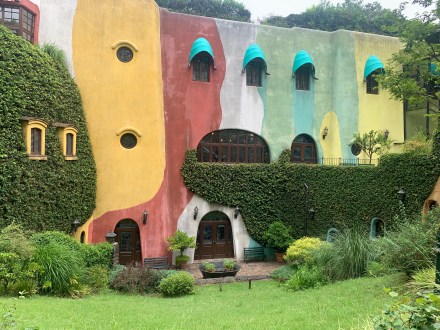
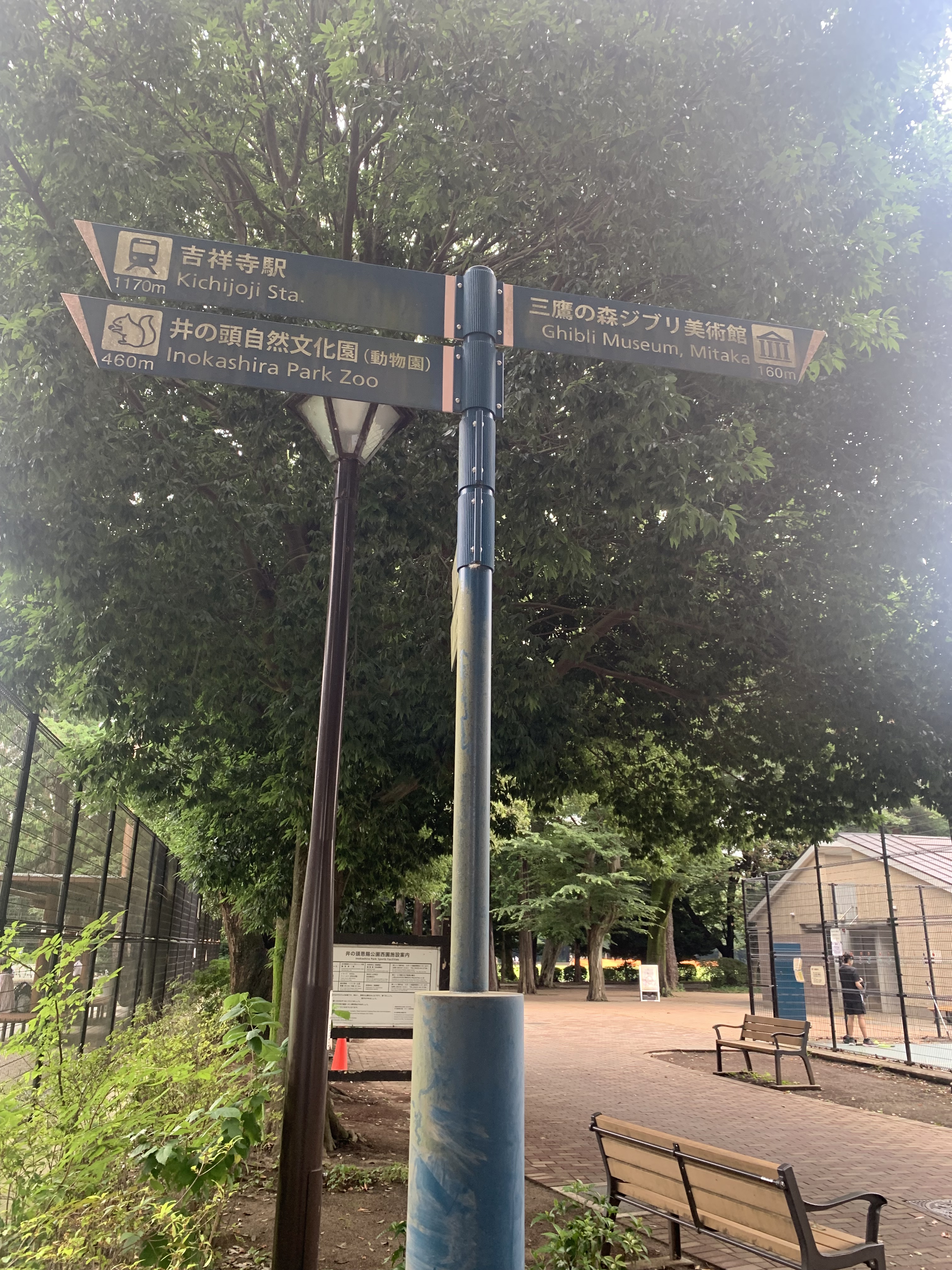
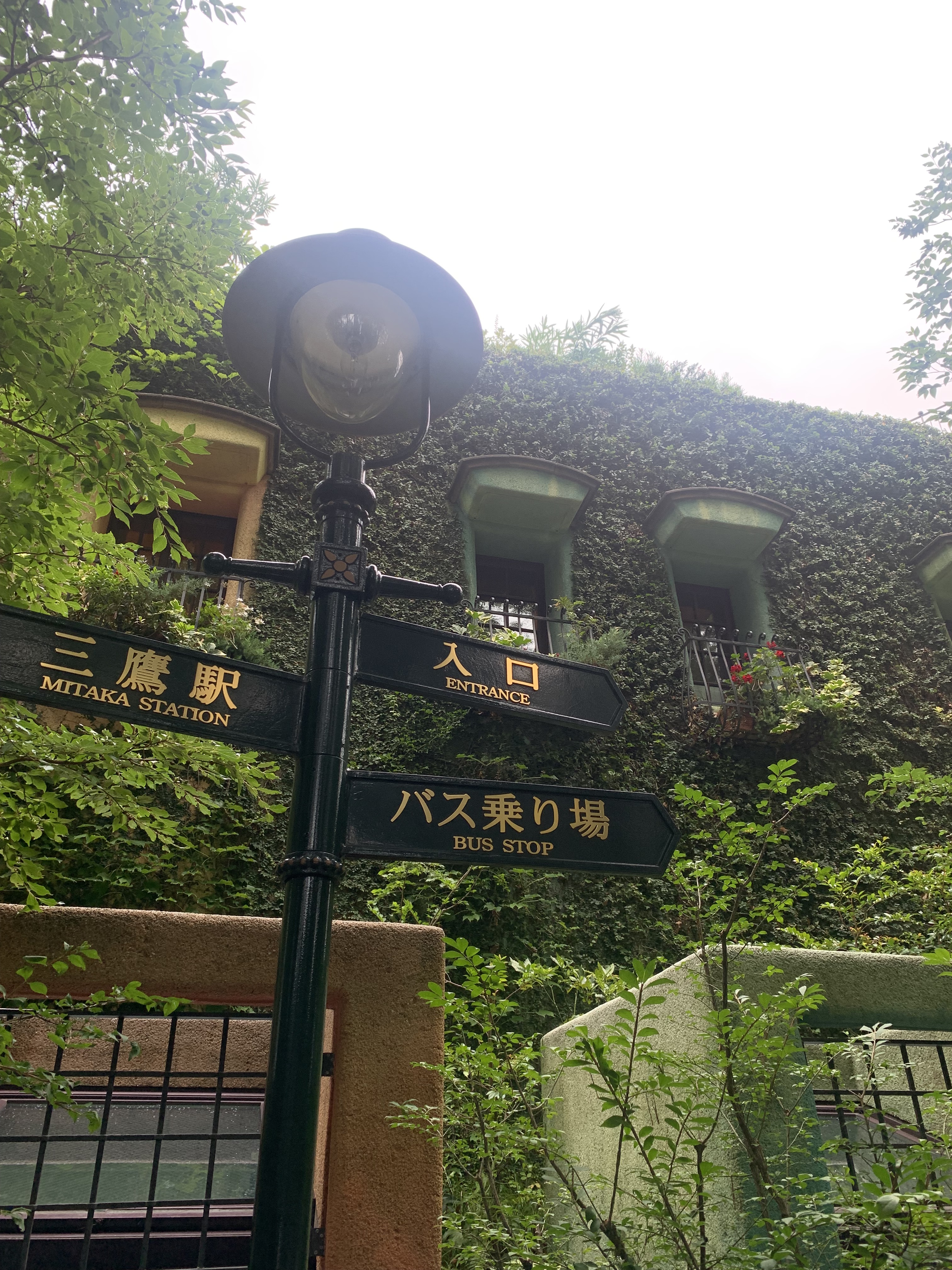
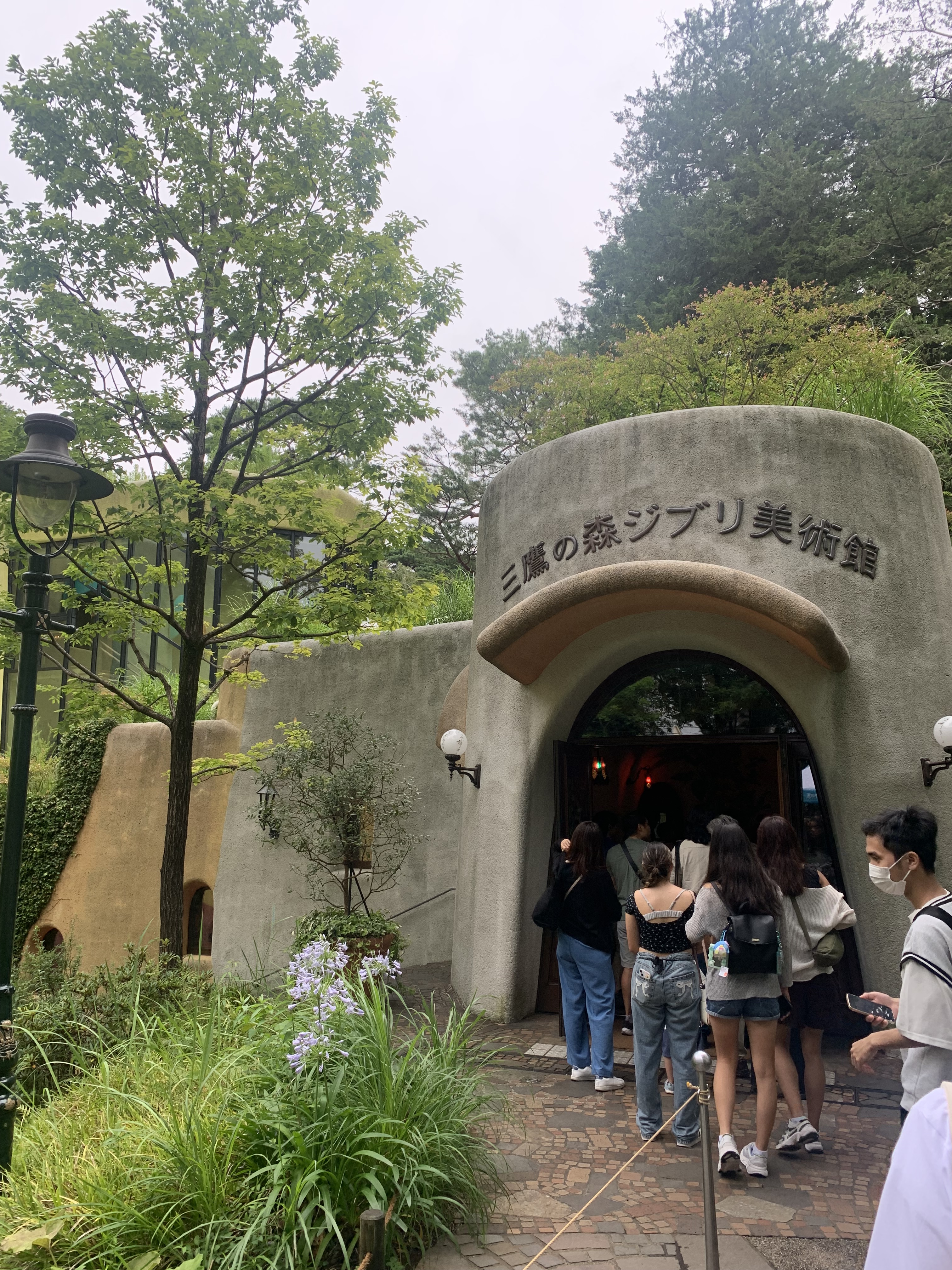
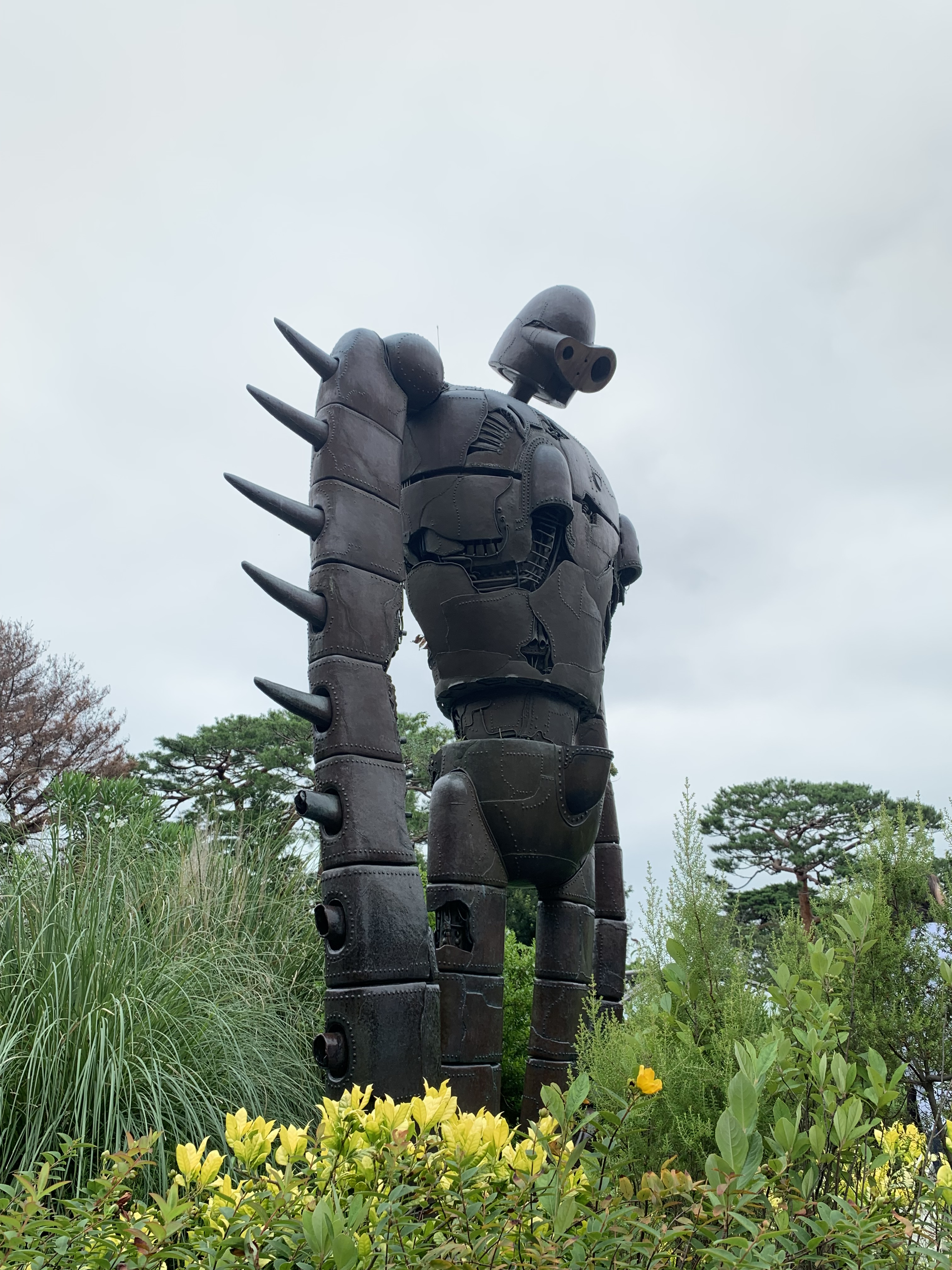
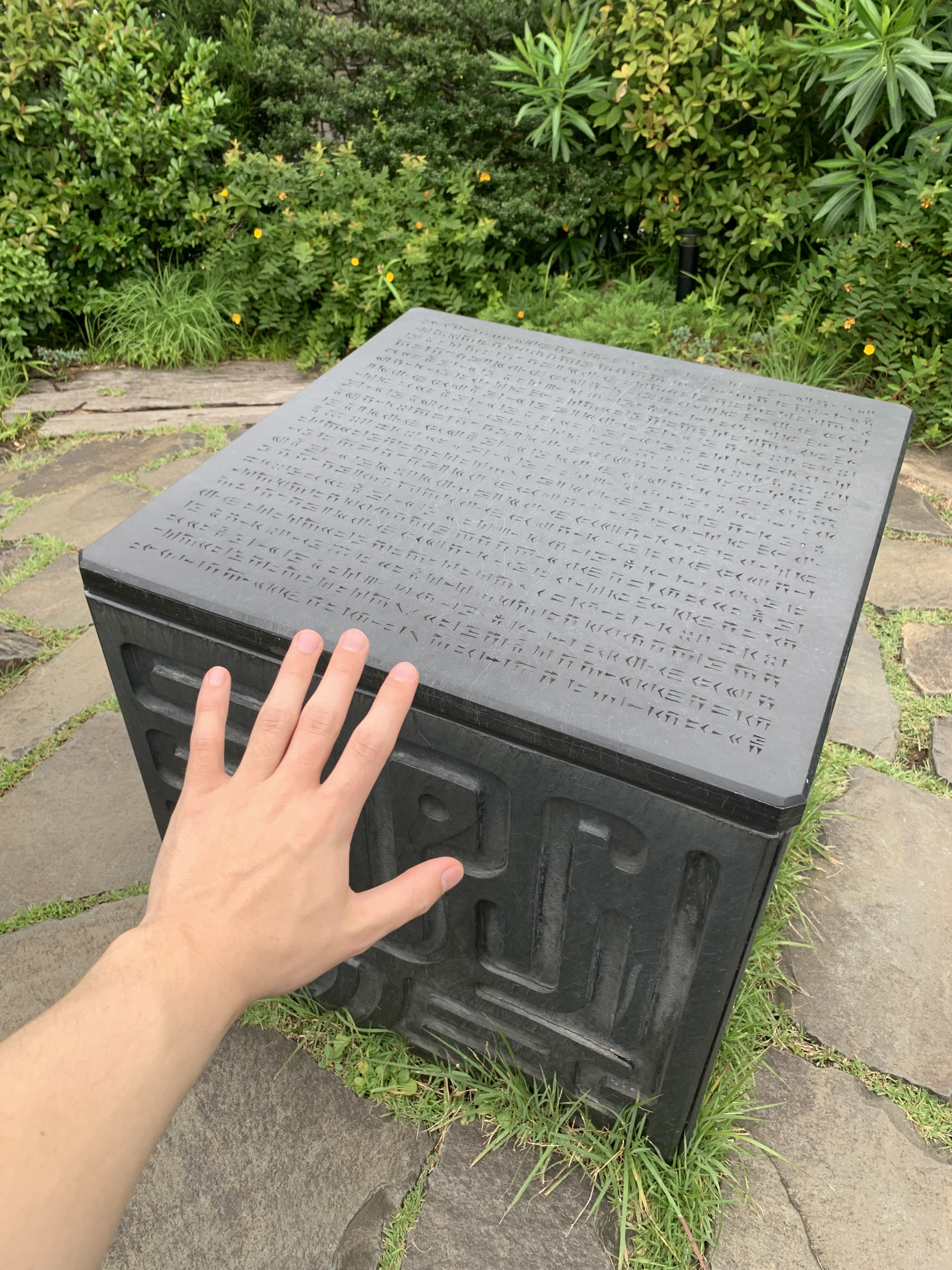
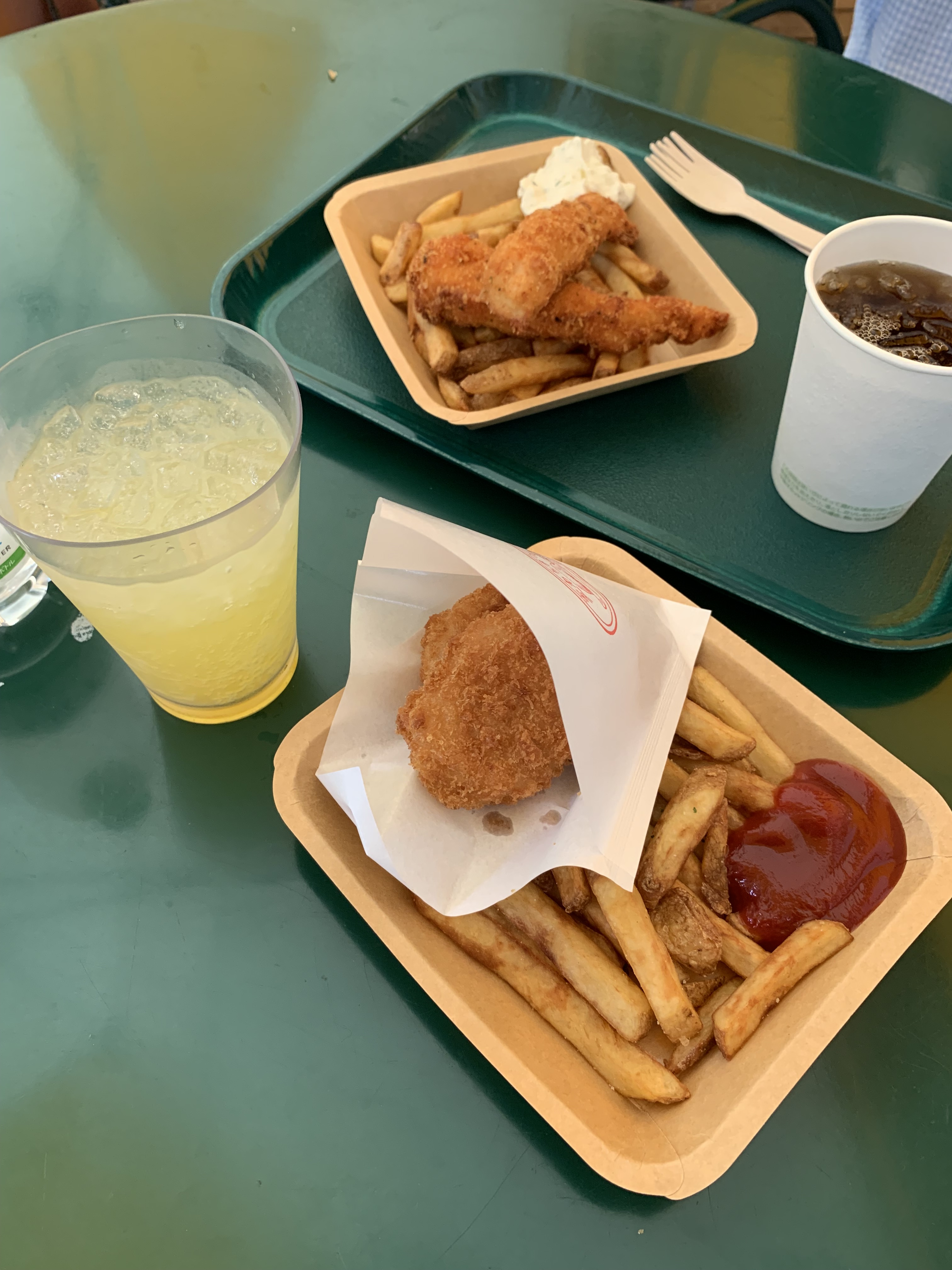
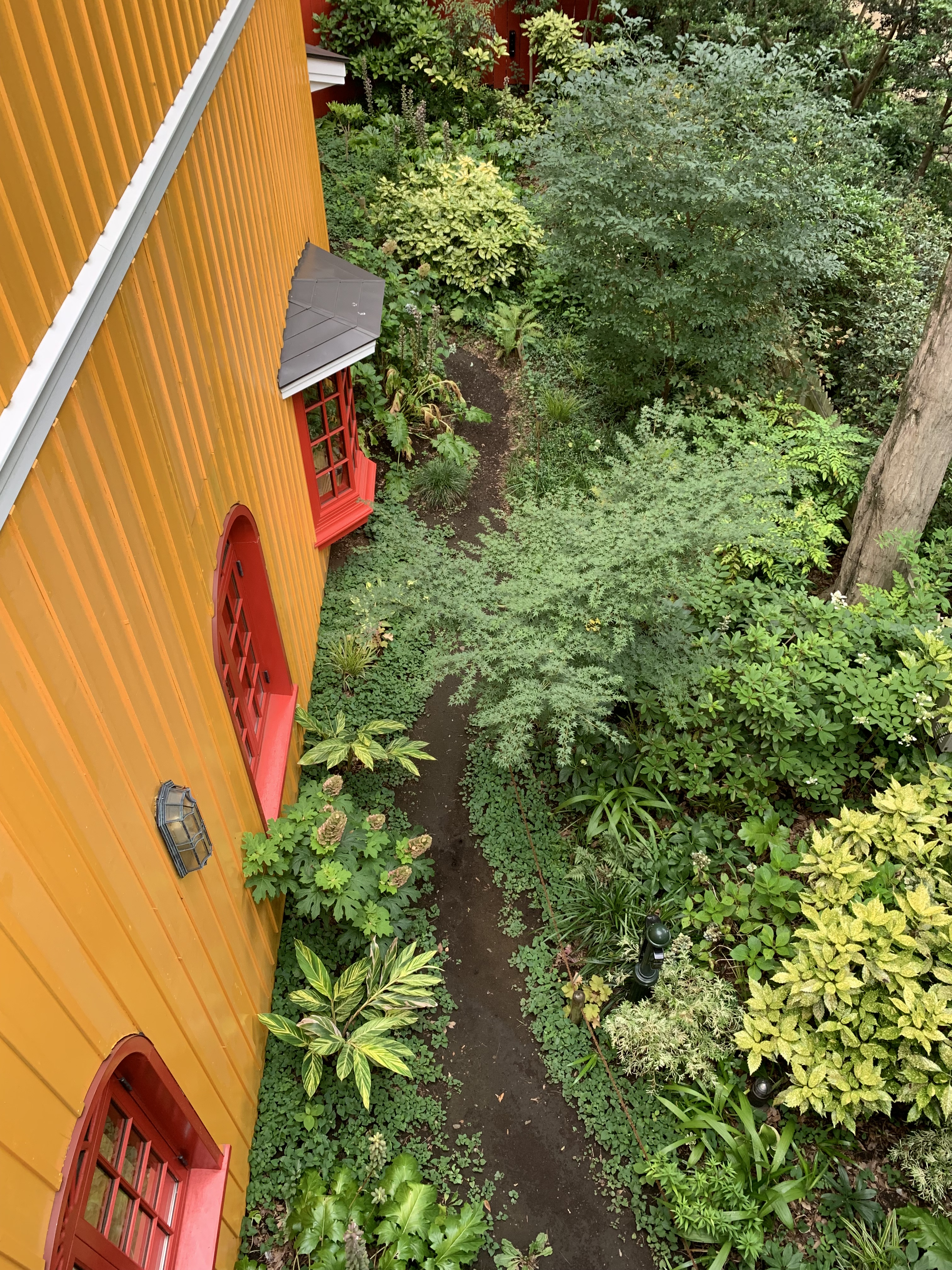
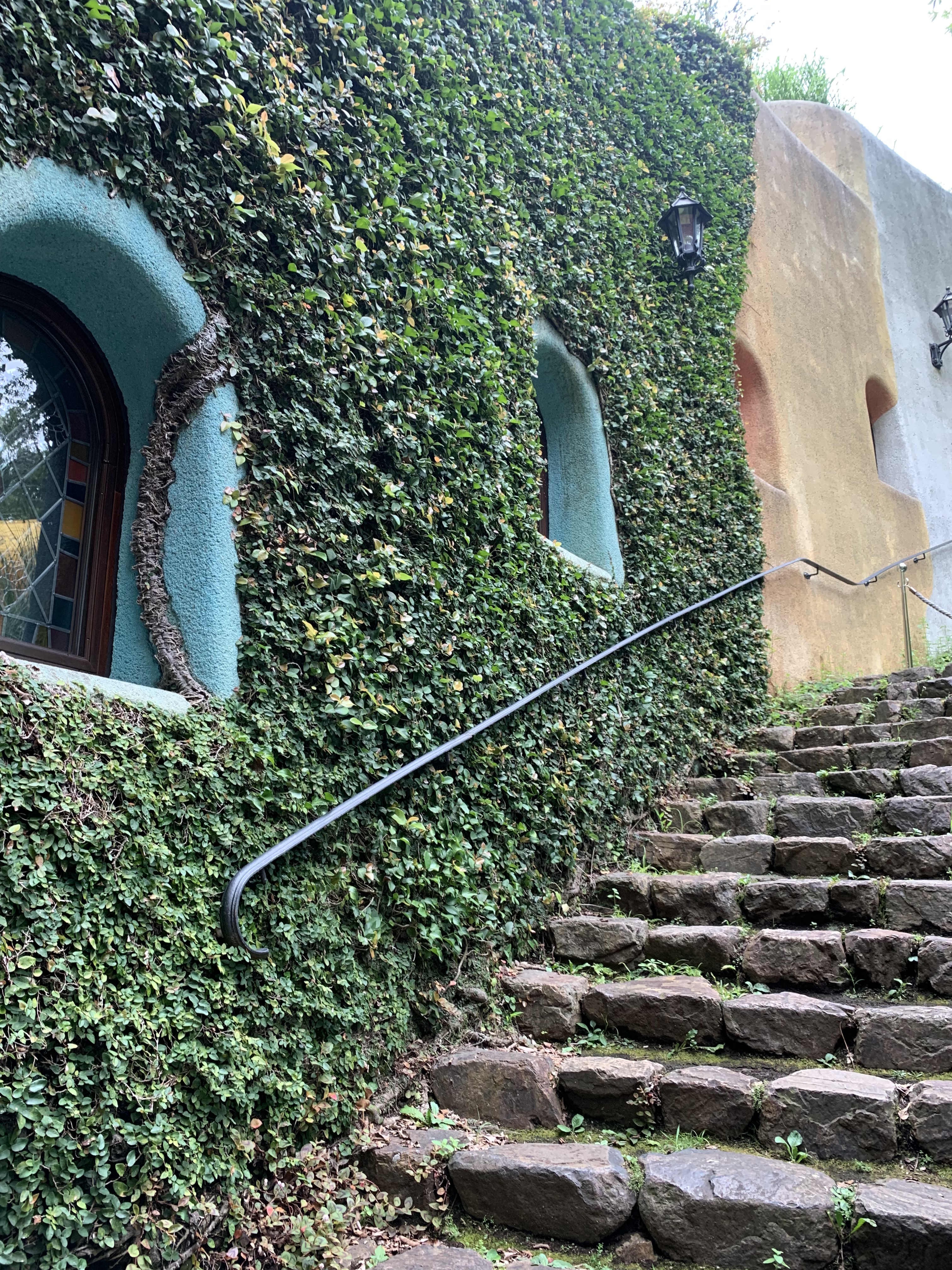




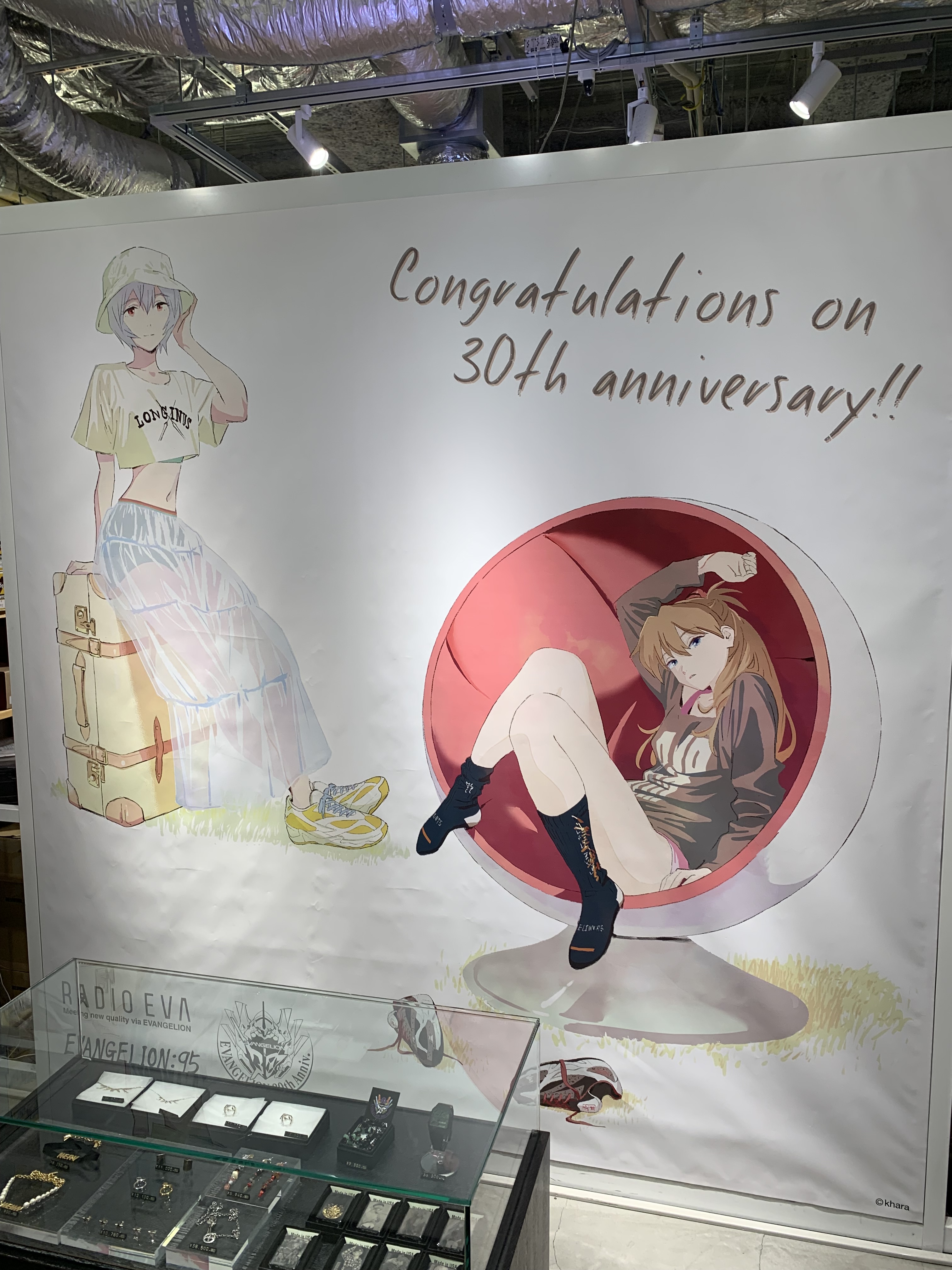
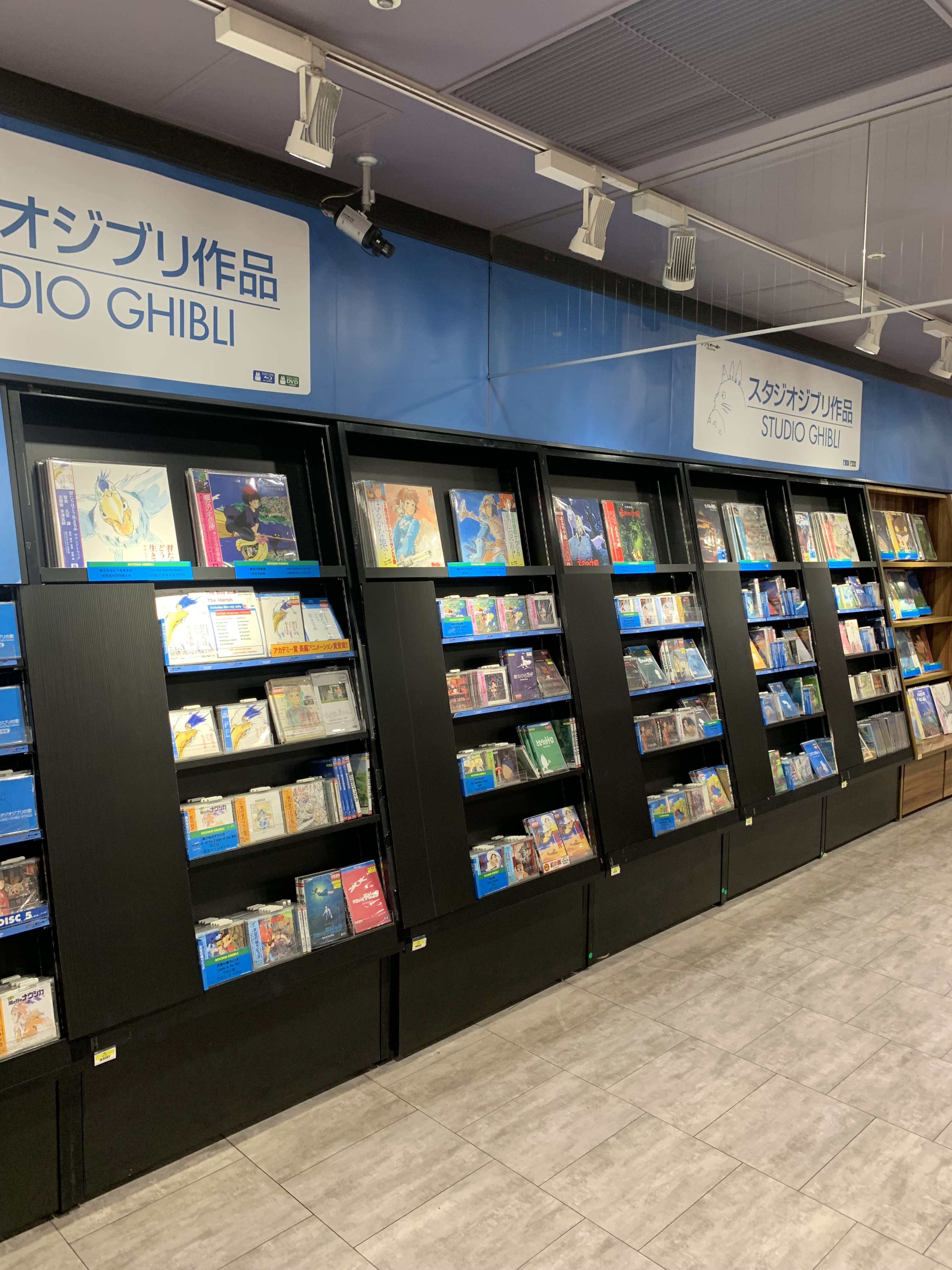
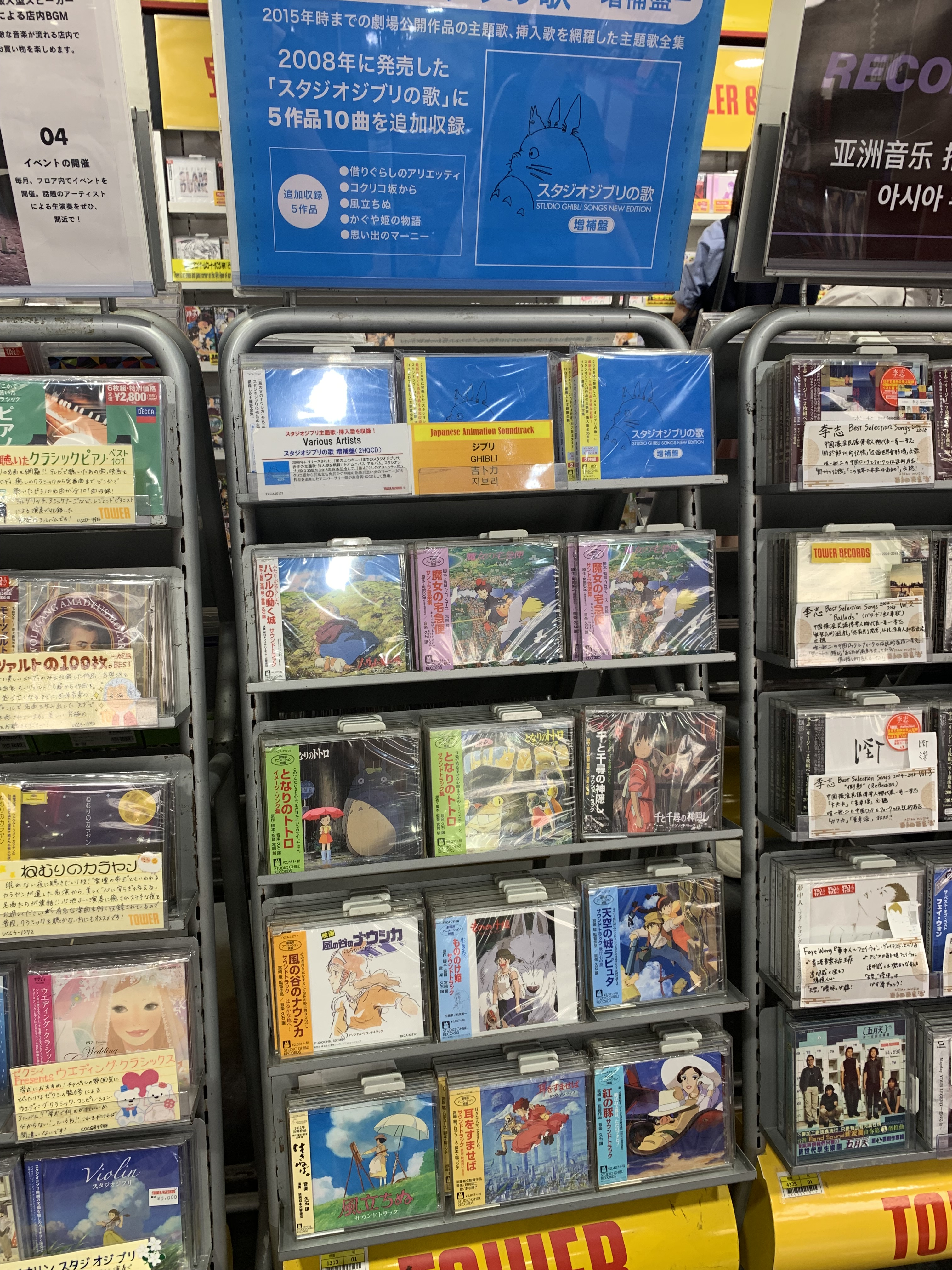
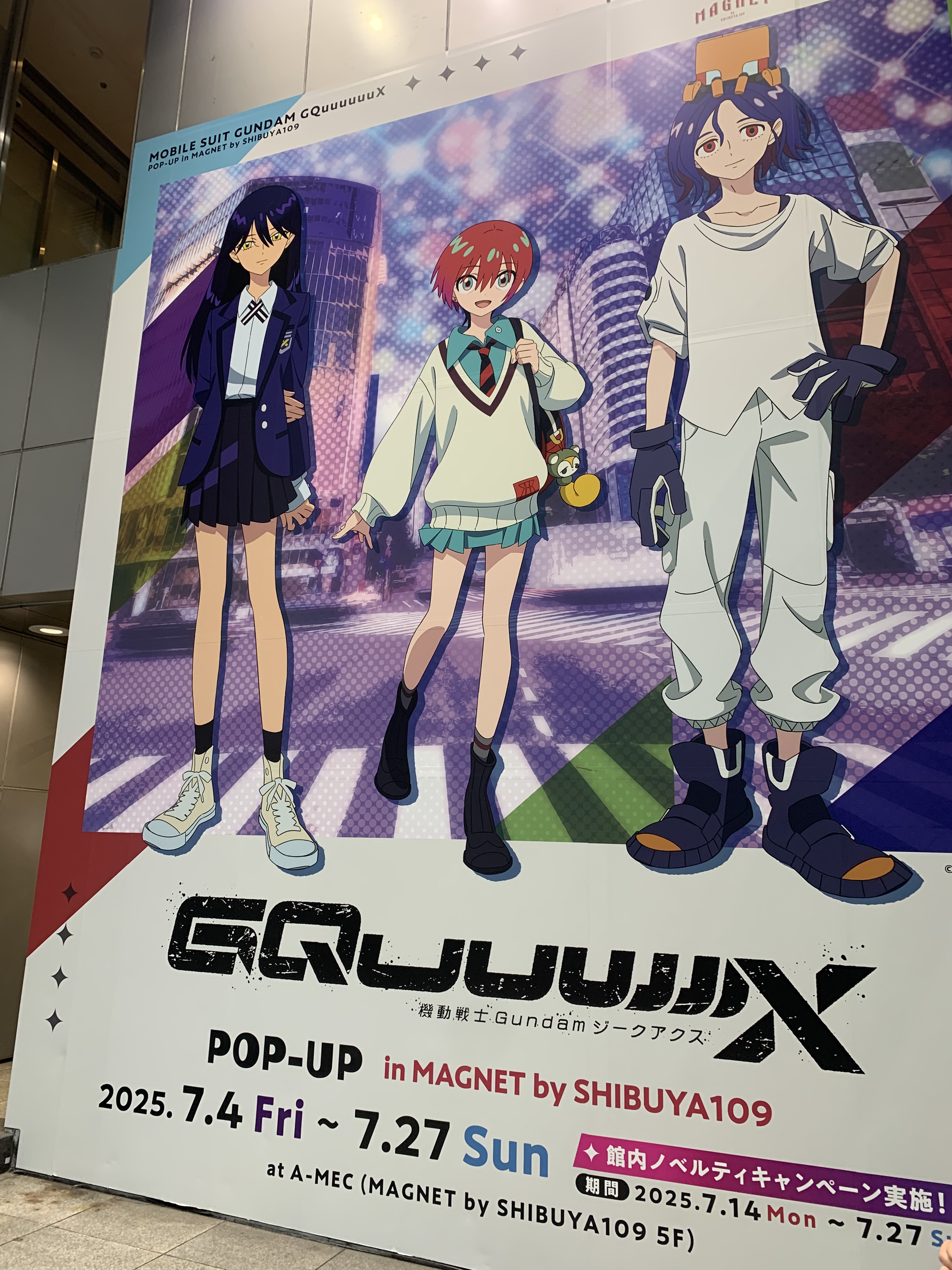
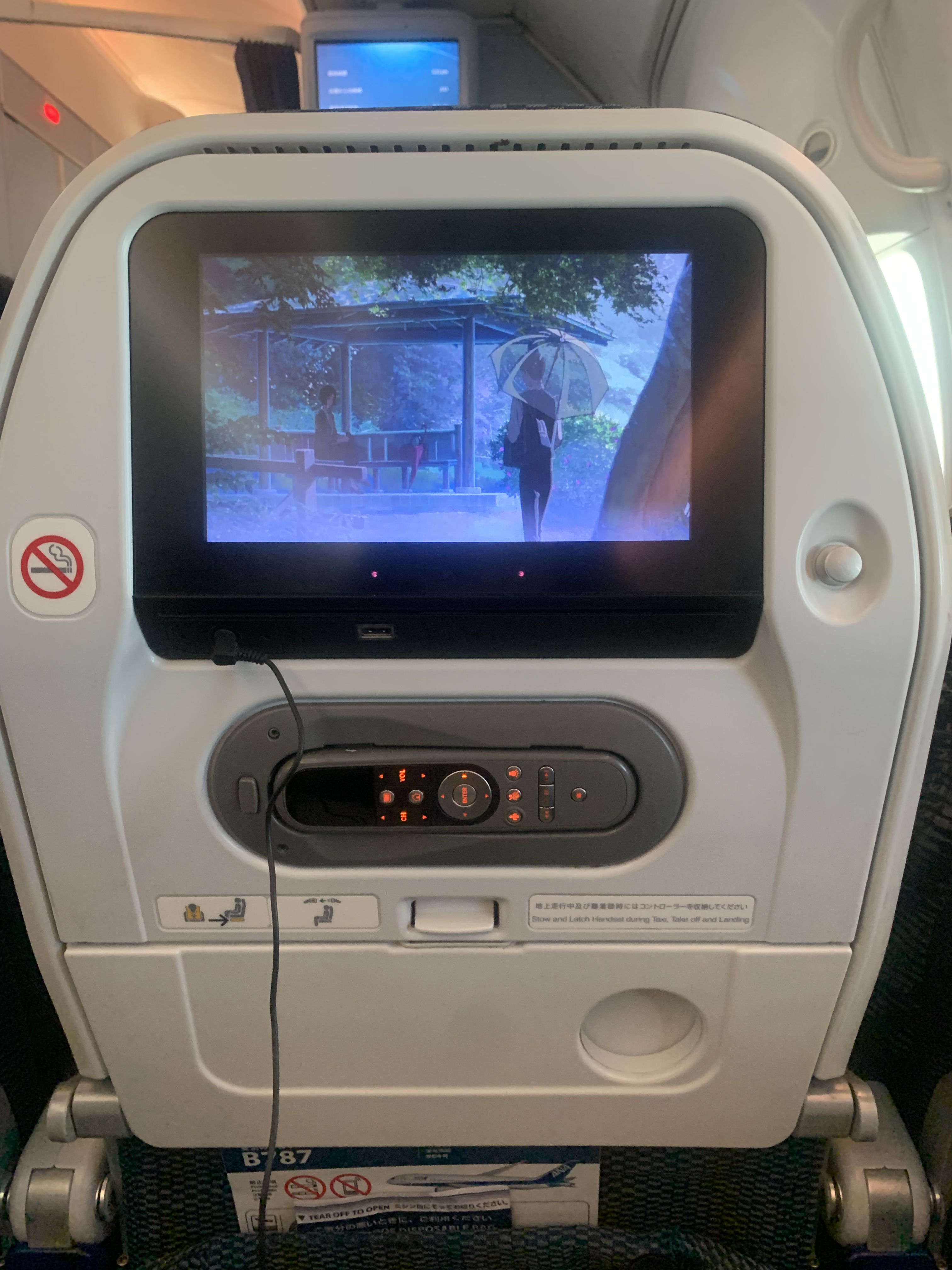



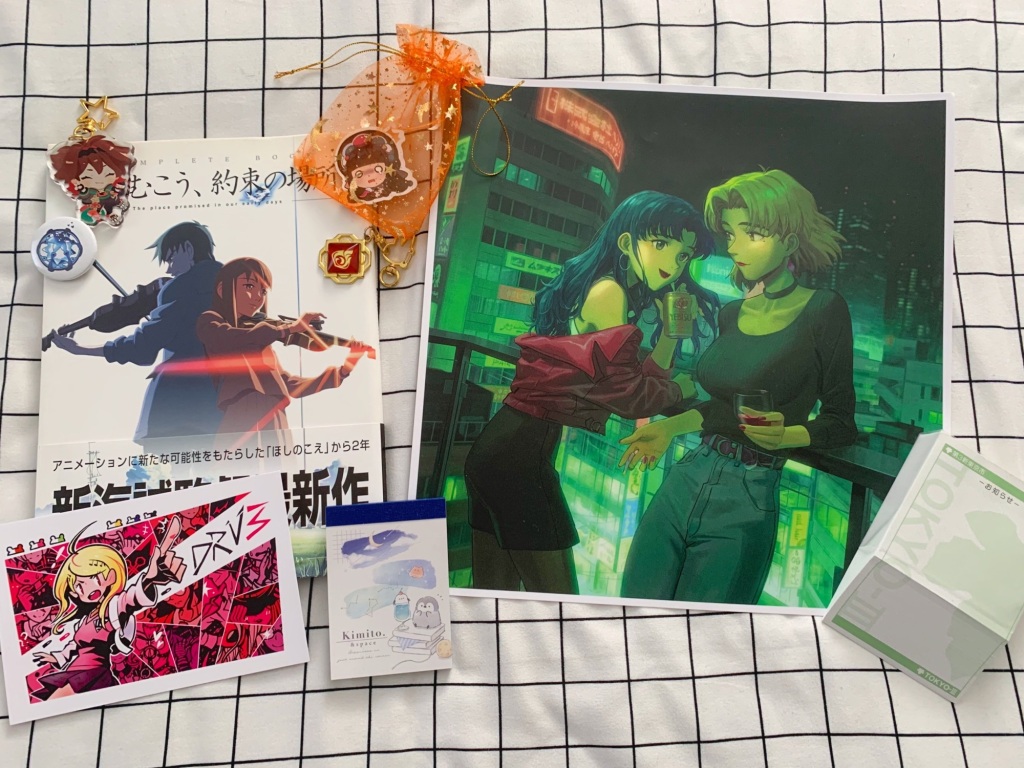

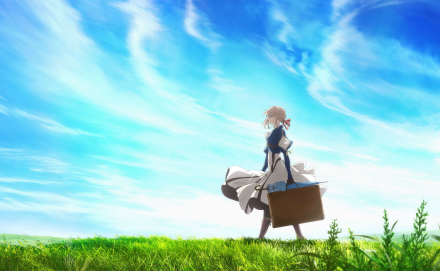
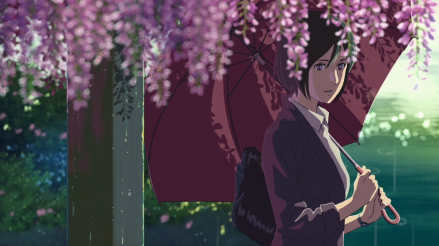

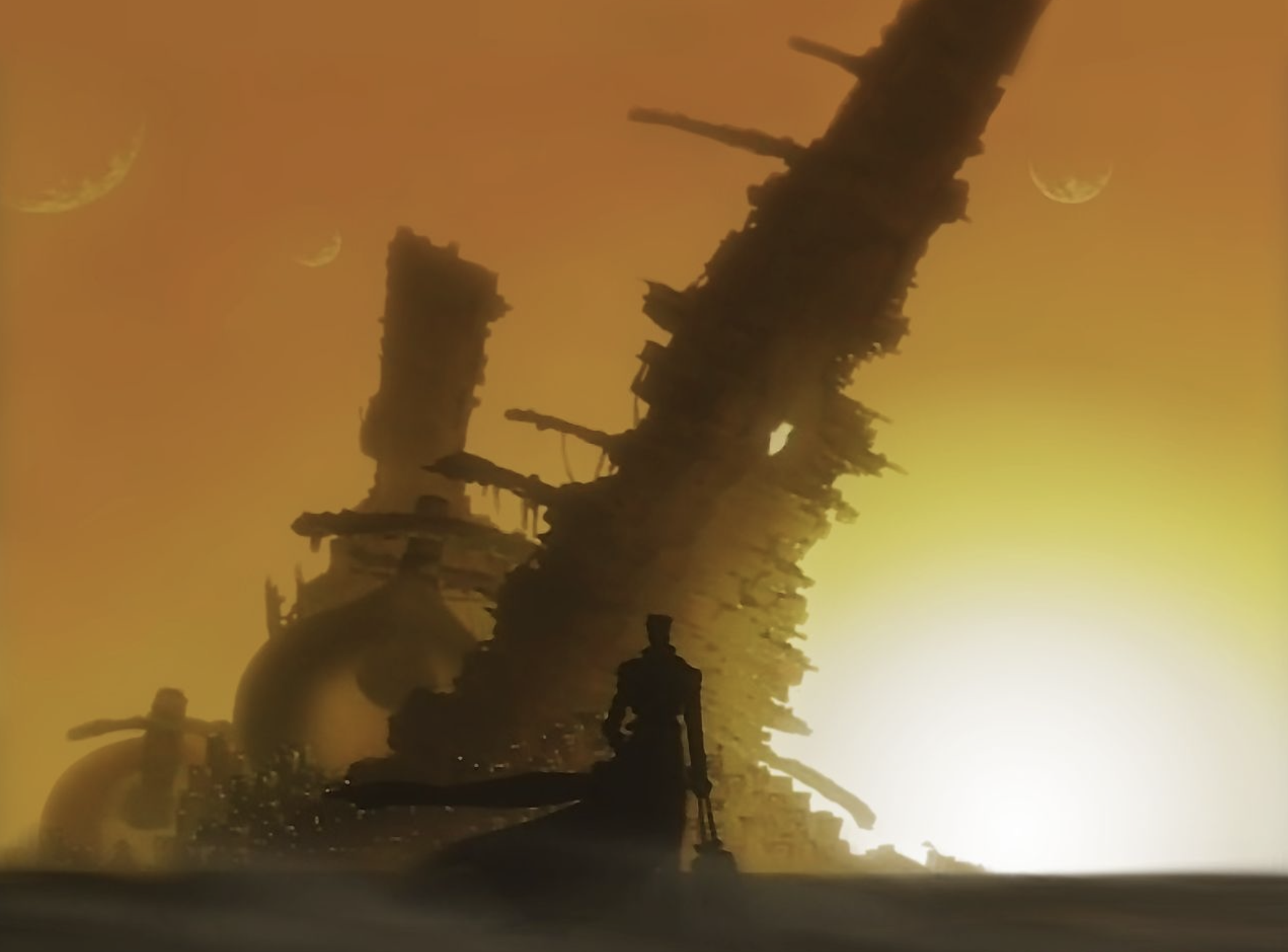


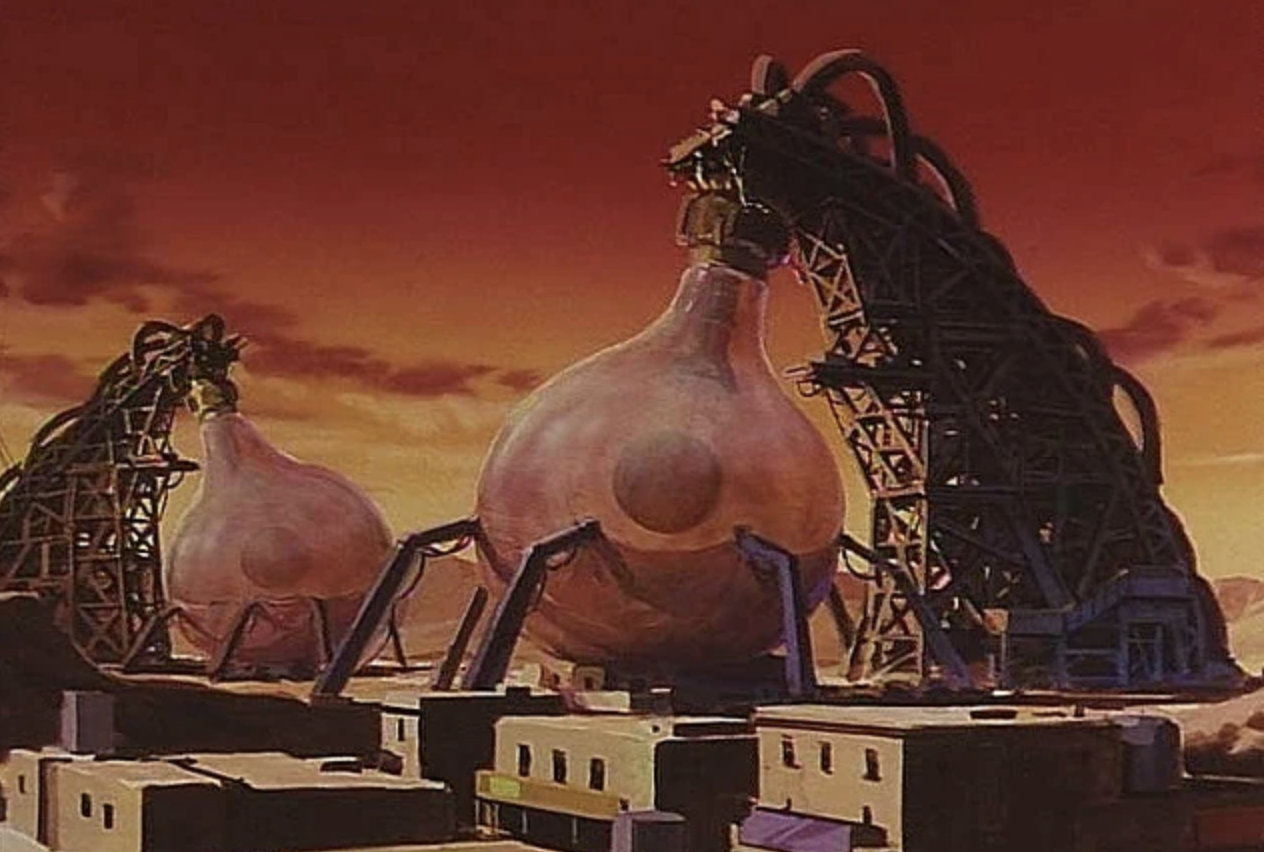


 Takuto's Anime Cafe