The Royal Tutor: A Heartfelt Lesson on Judgement | OWLS “Mentor”

Chances are that if you were linked here from another blogger pal, you might be new to this place. To those first-timers, “Hi, I’m Takuto, and welcome to my anime cafe!” As part of the OWLS blog tour’s seventh monthly topic for 2018, “Mentor,” I wanted to broaden my horizons into the shoujo genre like I did last month . . . only to find out while writing this that The Royal Tutor is somehow labeled under the shounen catageory. Still, I enjoyed the efforts of Grannzreich’s latest royal tutor as he set out to shape up the country’s four princes into well-rounded individuals fit for the crown. How exactly he accomplished such a daunting task is what makes him a perfect fit for this month’s topic!

Throughout our lives, we might have encountered someone that we admired as a role model or has guided us in some life dilemma. This mentor could be a teacher at school, a coach, a boss or team leader at work, or a family friend. Whoever it is, that person impacted your life in a positive manner. For this month’s OWLS topic, we will be writing about mentors or mentorships in anime and other pop culture media. Some topics we will be exploring include how a mentorship impacted a main character’s life, the types of mentor relationships a person could have, and/or personal stories about mentors or mentorships.

I had only recently crossed paths with The Royal Tutor, so it’s exciting to freshen up my palette with something I would normally not have watched. Thanks Z and Lyn for the prompt!
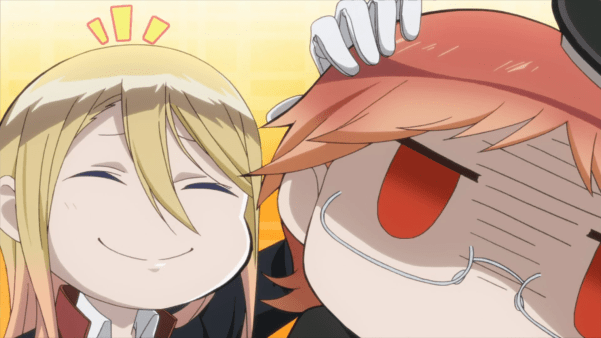
chibi.png


A brief spoiler-free discussion on the 12-episode spring 2017 anime “The Royal Tutor,” animated by Bridge, directed by Katsuya Kikuchi, and based on Higasa Akai’s manga of the same name. 

The Royal Court Requests Your Presence

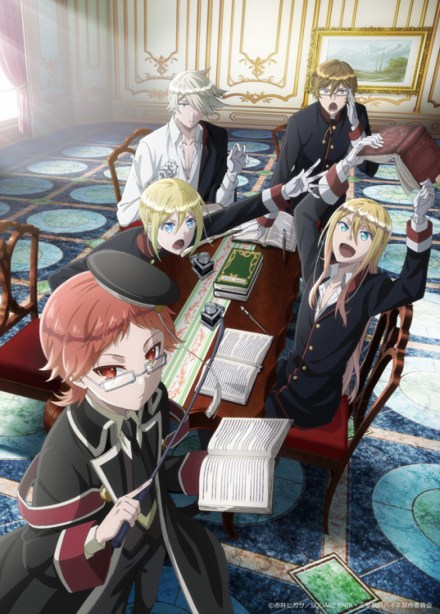
The King of Grannzreich currently fathers five sons, four of which in desperate need of tutelage should they need to assume the throne. There’s Licht, the flirtatious, most free-spirited, and youngest prince; his dimwitted, hotheaded older brother Leonhard; Bruno the studious yet close-minded third prince; and Kai, the most reserved and oldest of the four with a RBF so intense that he scares even his hand-servants away. All of them want the throne, badly, but their collective inability to overcome their individual shortcomings prevents them from receiving their father’s approval.

After having many tutors come and gone—all deemed failures either because they ran out or were run out of the palace by the princes themselves—the king turned to an old acquaintance, the equally charming and austere Heine Wittgenstein, for the massive and intimidating undertaking of properly educating his sons. But as it happens in the royal family, the apple doesn’t fall too far from the tree, and Heine finds dark memories of his past resurfacing in the present. Nothing shalt shake the brilliant Heine Wittgenstein, however, for despite his incredibly short, childlike stature, the new royal tutor’s ability to command respect and diligence from all of his pupils is the exact reason King Victor von Grannzreich hired him in the first place.
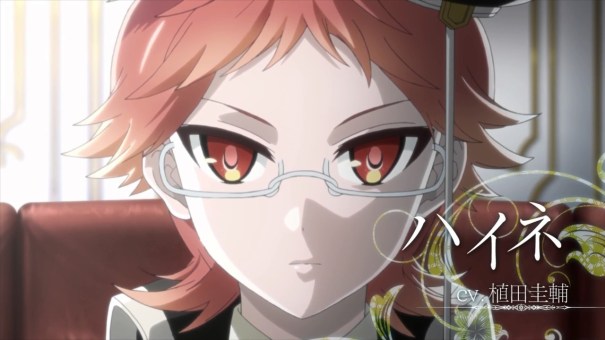
heine.jpg

Educating royalty might not sound like a very interesting concept for some, but with comedy as the main genre The Royal Tutor is tossed into, one can only imagine the hilarity that ensues when a tiny teacher cracks a whip on a spoiled, blond-haired twat for not knowing what 2 + 2 is. After the four princes are forced to understand that Heine is NOT going to give up on them, episode by episode, the royal tutor works one-on-one with their majesties. While some princes are easier to coerce than others, Heine remains determined to give them each the same amount of time together. This establishes a mutual respect boundary between teacher and student, as well as fellow students (or in this case, brothers).

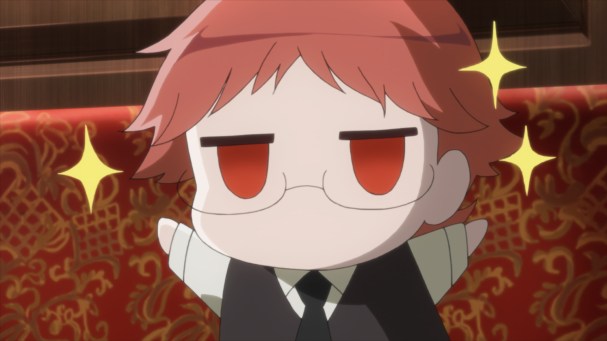
In their private lessons, Heine systematically pulls the princes to their lowest lows, never failing to offer fascinating and invaluable advice on the human spirit. Heine, simply put, is an inspiration to the boys. Slowly but surely, the Grannzreich princes warm up to Heine, and as the royal family’s name continues to face false accusations and scandalizations via some shady wealthy individuals in the kingdom, the princes must come to Heine’s aid in turn to protect not only his name but their own. From beginning to end, the plot offers a pleasant ride which nicely works in serious moments of character growth (the show’s most noteworthy feature) and the slapstick, slice-of-life comedy in all its chibified glory.

Such wonderful balance could only be obtained in a show like Ouran High School Host Club—And in fact, between the on-par voice acting and similar art style, I’d go so far as to call this anime Ouran‘s spiritual successor! Trust me, there’s a high chance that if you liked that ritzy ditzy cast, you’ll definitely *KISS KISS* fall in love with this one too!!
twinkle twinkle.jpeg

Teacher and Student

While I’d like to say the series’s “best boy” is Heine himself, until the very end, he mostly acts as a device to push other characters toward development. Even after everything’s said and done, we only know a bit about his childhood, and that he’s been the leader type since. He’s also strict, but true to his word; credit is given only where credit is due. Though pint-sized, Heine is still a moving, breathing source of inspiration, and if his grand speech in the finale episode, “The Last Lesson,” didn’t move you to tears, I’m honestly not sure what will. Having watched Funimation’s English dub, I can confirm that this is both one of Micah Solusod’s funniest characters (what with the hilariously low register for such a lil’ fella) and, despite Heine’s apathetic yet articulate tone, most poignant, eloquent roles.

The same glowing things could be said about the rest of the cast. I love the spoiled Licht’s endeavor to try living a humble life, as well as his charisma and resistance on not letting being the youngest hold him back. Not gonna lie, VA Stephen Sanders has a weird voice, but it fits Licht’s flashier side well enough. Fourth prince Leonhard struggles wanting to study hard to be like his brothers, to which I’m sure we can all relate. Leo’s whiny, bratty personality but inner goodwill can be felt thanks to Alejandro Saab’s great (and very high-pitched, wow) voice acting.

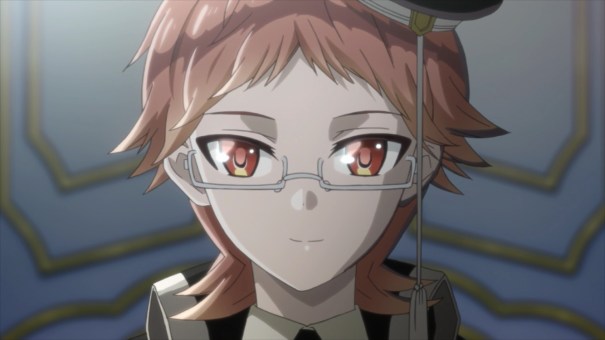
Third prince Bruno was the real surprise, as I normally don’t care for the megane characters. But here we are, with the studious and esteemed Bruno as best boy, and VA Christopher Wehkamp as the one who brought this Heine fanboy to life. Lastly, second prince Kai is, well, Kai. Rumored to be violent, but actually has hands gentler and more caring than all in the land. For all those low, billowing grunts and one-liners, Daman Mills gets the job done.
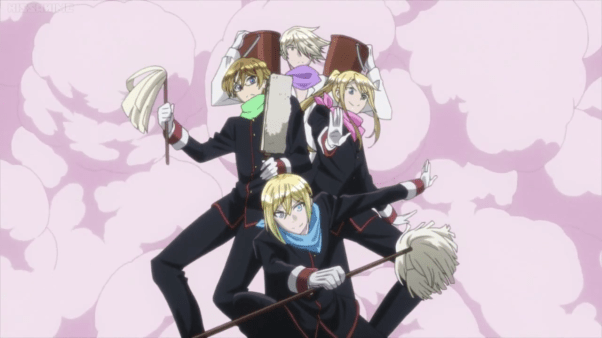
time to clean.png

Genius vs. the fruits of hard work; personal enjoyment and satisfaction vs. maintaining one’s line to the thrown. As a prince in the line of succession, such sacrifices are bound to be made. But with knowing that they likely won’t become king because their eldest brother, the elusive first prince, is already the perfect candidate, does sacred duty really come before broadening horizons outside the palace? That’s what Heine is here to mentor us and the four princes through, and it is for that reason that I thoroughly enjoyed this series of personal conflicts and inferiority complexes galore.

Adding Charm with a Splash of Color

Briefly, I wanted to mention the beautiful animation by Bridge, a studio that hasn’t done too much beyond helping with Fairy Tail (2014) and a couple game-to-anime adaptations. First, Heine’s dud mode, and how The Royal Tutor switches between chibified comedy and serious bishounens with incredible ease! Next, the unique lighting, something which I guarantee not many mention. While most anime define shadows as darker hues of the same color or just with a flat gray color, studio Bridge highlights skin and clothes with blues, reds, pinks, oranges, whatever the color depending on how light would logically reflect on brightly colored interior palace walls and long, draping curtains. The boys already had glittery eyes and pretty ombre blends in their hair, and this added color gave the anime additional charm, not that it needed it. The highlights match wonderfully with the innate palace couches, gold leaf embellishments, and stunning wall and carpet patterns. Bridge has absolutely convinced me that these men do, in fact, live the royal life.
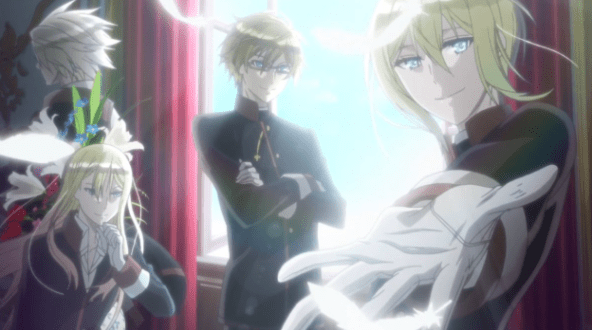
four princes f

Also lovely is the light piano music that can be felt during the tender moments. Keiji Inai’s (DanMachi) whole soundtrack, in fact, feels inspired by classical music, another nod to this literally being Host Club‘s spiritual successor. Fanciful, flowing, and grand—a perfect fit for our princes!

Heine’s Lessons & Learning How to be Human

At the end of each day, Heine Wittgenstein offers a brilliant and breathtaking lesson on the human spirit. So what better for an OWLS “Mentor” post than to showcase the words of the wise straight from the royal tutor’s mouth!
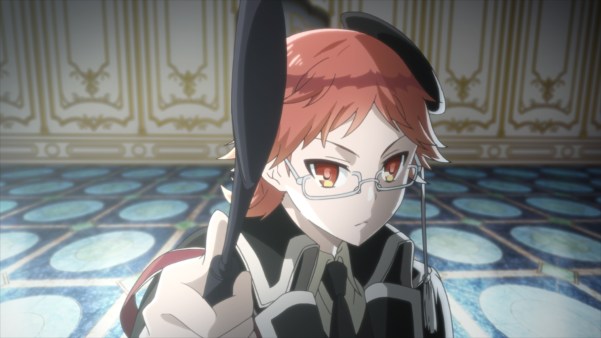
time for a lesson.jpeg


Licht’s devilish charm and desire to entertain his lady-friends constantly pushes him to lead two separate lives. Thus, Heine teaches him about the duality of man, and how he can be both a prince and a gentleman so long as he learns to prioritize his own safety.

Always remember, before quitting something you want to do, you should always explore alternative solutions.


A king must lead with compassion without discrimination. He must be one who always hears his people, no matter the circumstance, as well as want everyone to follow their ambitions and enjoy their freedom.
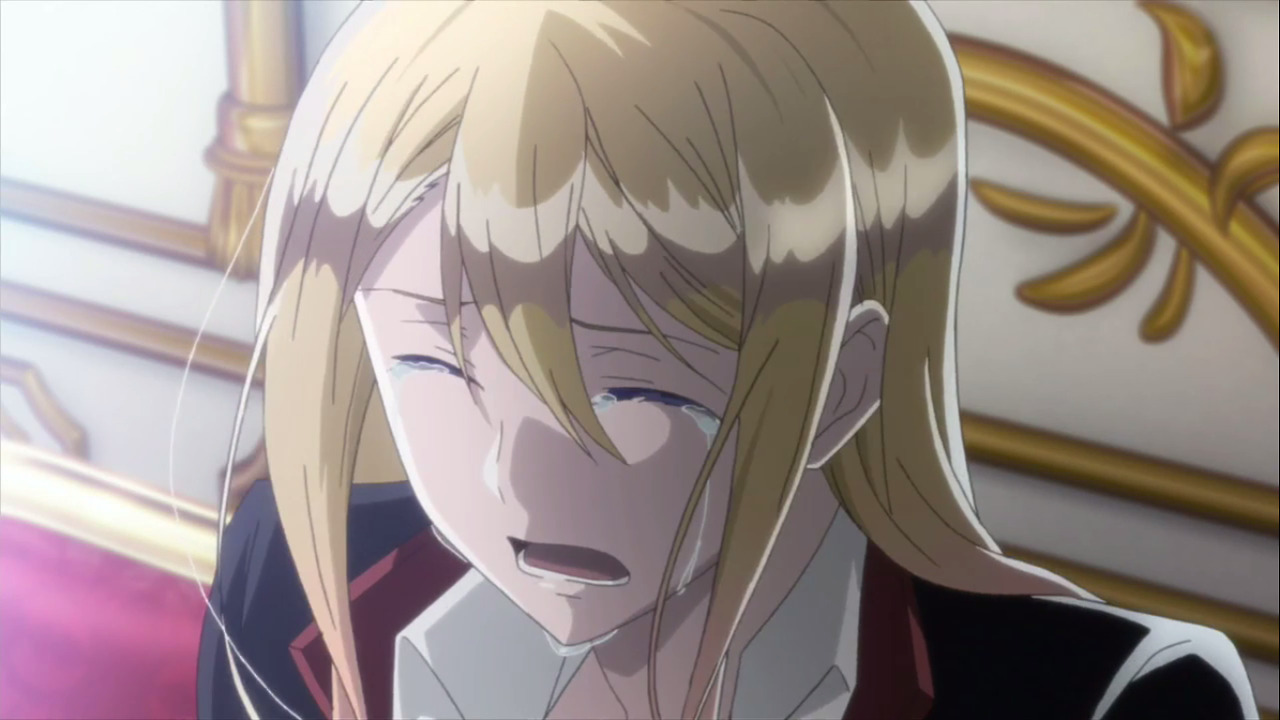
Image result for The Royal Tutor

Leonhard always stumbles where intellect is concerned, but makes up for this shortcoming with mad athletic skills. He holds himself to a higher standard because of his inability to learn new subjects, and flees when things get rough. As a result, Heine puts Leo through test after test, threatening him with the separation of teacher and student, friend and friend, as the ultimate motivator to learn.

Those who recognize their own vulnerability can grow to be stouthearted souls who are kind and sensitive to the pain of other people. Running away may seem like a solution, but has it ever made your heart feel lighter? Hiding from your problems will not make them go away.


A king must lead with powerful imagination. He should act with compassion, and reach out to people in need. To want to live in a country where we all help each other is an honorable thing indeed.

leonhard.PNG

Meanwhile, Bruno is just about as princely as one can get, but he lacks that extra lick of creativity that his brothers possess, forcing him to work harder all the time to overcome this imperfection. Even then, he’s still so smart—any university would be lucky to have a guy like Bruno! Unlike Licht or Leonhard, his options are infinite. Like a master should, Heine remind Bruno that we only get one life, and that we must choose what is best for us.

You only have one life and it’s yours alone, so live it as you please because it’s the only one you’re going to get. 


A king must lead with acumen and expertise. He must possess a wealth of information. There will be a time when people will go down the wrong path, but no mistakes happen–he should believe in second chances, not punishing them for the sins of their past.
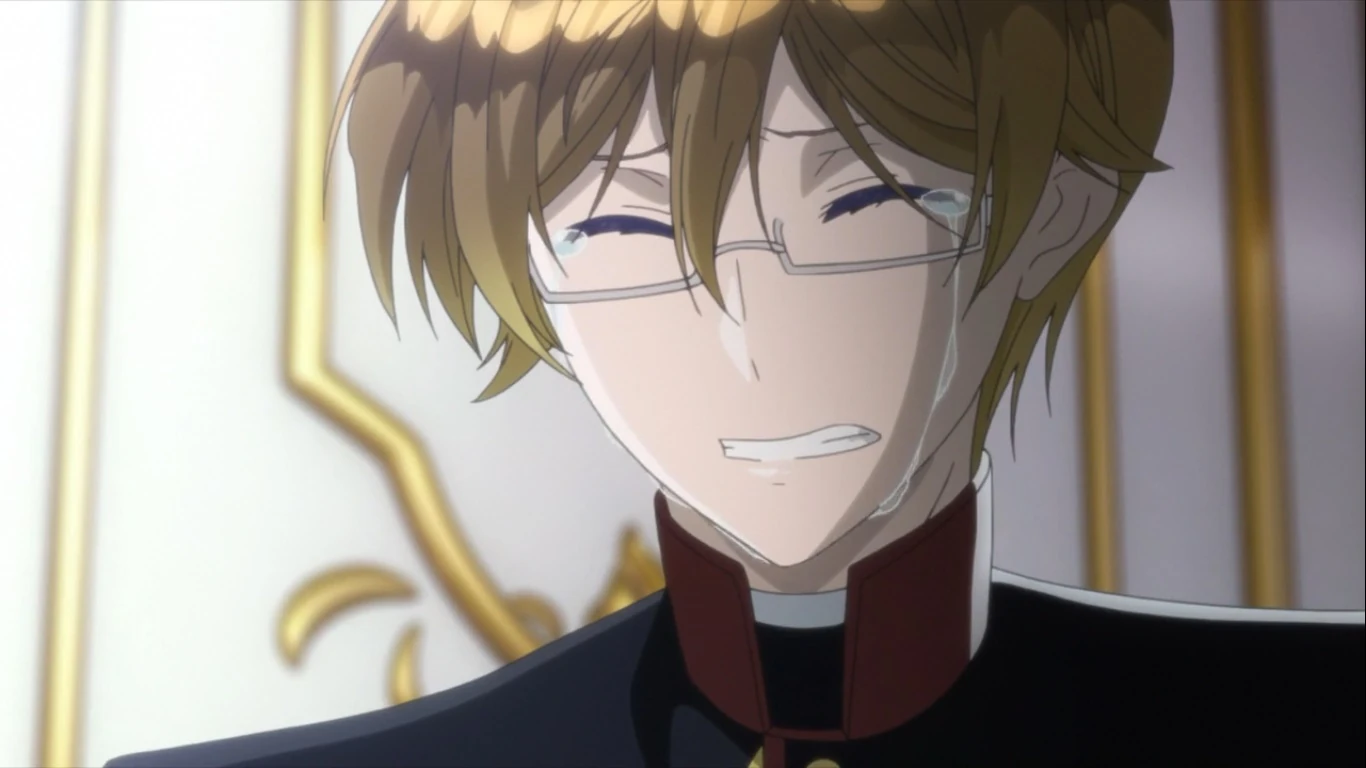
Image result for bruno the royal tutor

Lastly, for the reclusive Prince Kai, Heine tells him of humanity’s kindness, and that, should he express generosity and affection to his subjects, his people will return such warmth in full.

Everyone has a different personality. Some won’t like you no matter how polite you are to them. It’s not all bad. That also means that there are plenty of people who will like you quite a bit. This world is very big. Do not deprive yourself of people who will understand and care for you. 


A king must never surrender his overwhelming heart. The misunderstood should not lose hope, for he shall be a king that all the people will adore. This chronicles the lessons taught by Heine, amongst many more untold.
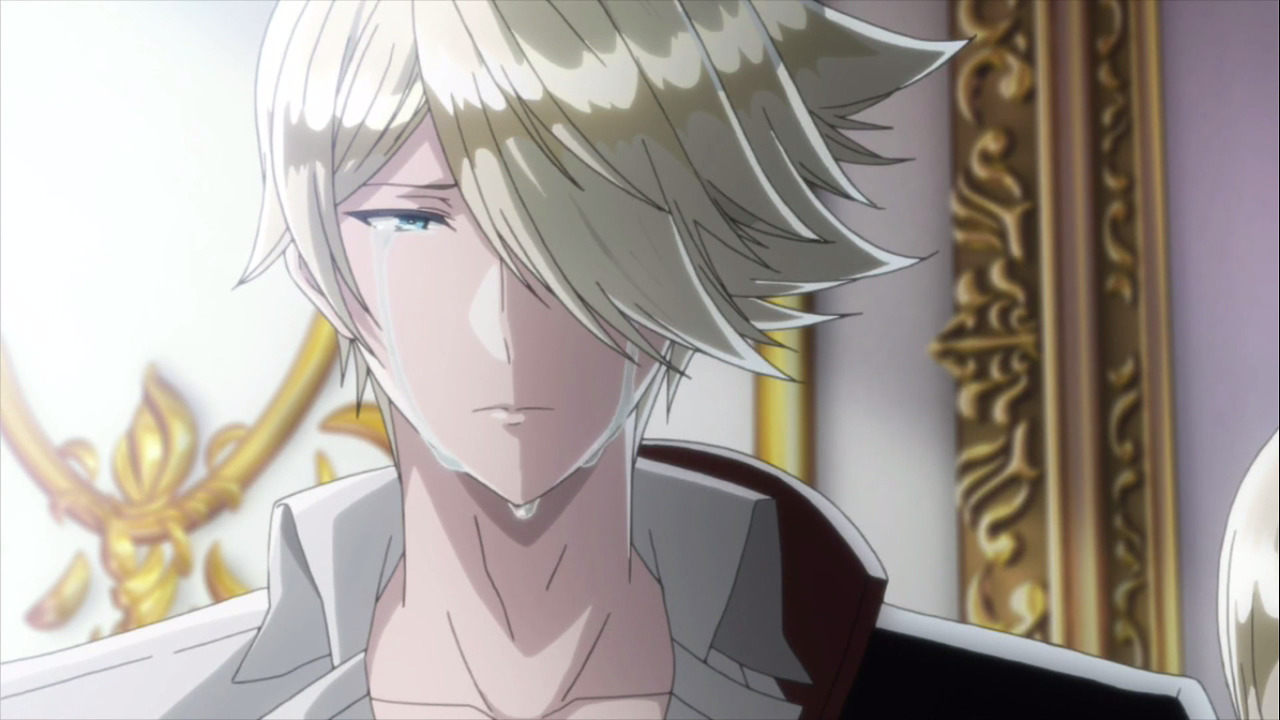
Image result for kai from the royal tutor

A Tutor for All Ages, a Lesson for All Time

Make no mistake, The Royal Tutor is a very fun show. Its comedic timing is great, and its charismatic characters are full of personality. That said, this series also dabbles into several valuable lessons we all take for granted. From beginning to end, The Royal Tutor offers well-rounded, wholesome episodes that are filled to the brim with simple life advice. The boys are pretty, and the fujoshi crowd will love it, but . . . beyond looks, it’s a show about not judging people based on first impressions alone, as well as helping those with needs unlike most others by building a personal relationship with them and helping them grow as potential leaders. If ever you need a pick-me-up, Heine Wittgenstein, the royal tutor, has always got the time for a private lesson with you—just make sure you are prepared to learn.
IMG_6013.jpeg

Instead of judging others based on rumors and gossip, I must seek the answers for myself and arrive at my own conclusions. One must never think they know someone after little to no time with them, and so I must begin again. With every fresh start comes a new beginning.—Heine Wittgenstein


Afterword

I came into this show just in time, for a second season of The Royal Tutor was just announced not too long ago! Like Prince Leonhard’s rich and savory sachertorte, I, too, shall award this first season with the “Cake” rating, a show too sweet to miss out on! Have you seen The Royal Tutor? Who’s your favorite prince?? You’ll have to let me know what you thought about the series or this OWLS post in the comments!
poster.jpg

This concludes my July 24th entry in the OWLS “Mentor” blog tour. Gloria (The Nerdy Girl News) went right before me with a post about learning to live again in The Ancient Magus’ Bride, a series that I really ought to watch! Now, look out for blogger buddy Hazel (Archi-Anime) with a post on Ace of Diamond, a sports anime that I’ve also been longing to watch, tomorrow, July 25th (it’s also her birthday, so give her a shoutout)! Thanks for reading such a long post, and until next time, this has been

– Takuto, your host
A Sister’s All You Need: The Perverted Life of a Light Novelist | Review

A brief spoiler-free review of the 12-episode fall 2017 anime “A Sister’s All You Need.,” animated by Silver Link., directed by Shin Oonuma, and based on Yomi Hirasaka’s light novel series of the same name.

nayu and itsuki.png


A Hilarious Glimpse into Light Novel Culture

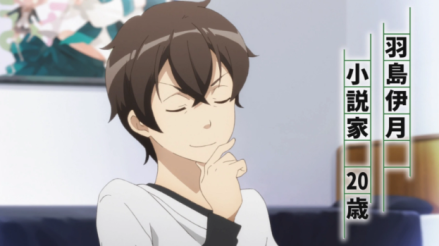
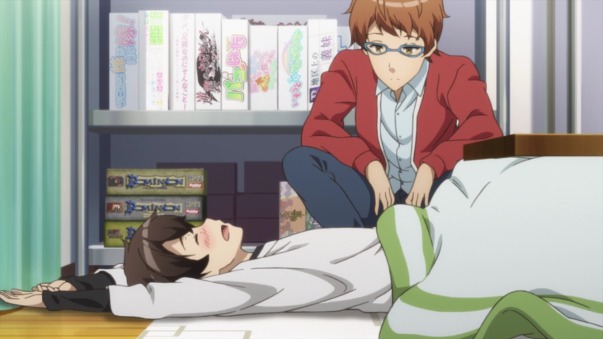
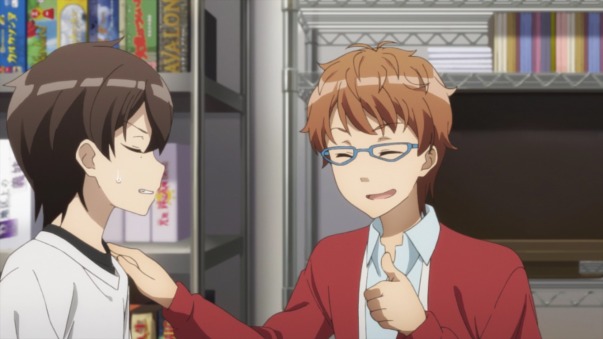
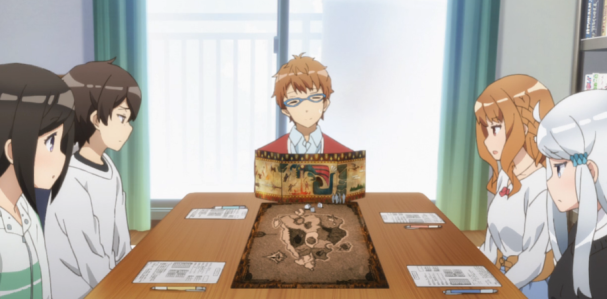
Arrogant, foolish, and always fighting his editor for procrastinating on deadlines, Itsuki Hashima is a light novelist in modern day Japan whose obsession with little sisters constantly finds its way into his stories. Despite his problematic personality and siscon fixation, the single 20-year-old author has garnered a tight circle of friends: Nayuta Kani, a young genius novelist yet grossly perverted girl who’s head-over-heels for Itsuki; Haruto Fuwa, a fellow male light novelist who frequently sees success with his series; Miyako Shirakawa, a friendly girl Itsuki met during his brief time in college; and Chihiro, his LITERALLY PERFECT younger step-brother who comes over on occasion and takes care of the housework and cooking.

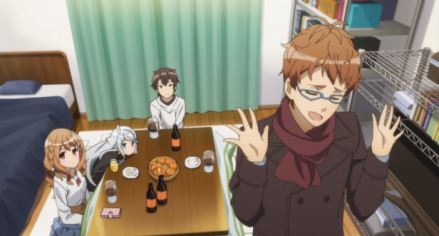
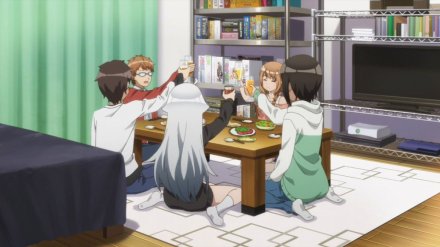
Together, this oddball batch of young adults play strange (and fun) games, flee on spontaneous journeys across Japan, crack horny jokes, and celebrate each other’s successes with alcohol abound. Just as how work is full of ups and downs, however, each of these hesitant individuals must eventually deal with their own set of headaches, whether that’s battling the next deadline or deciding what one truly wants to do with their life.

itsuki

The overarching story of A Sister’s All You Need is simple: watching Itsuki and his friends find success with their work. Almost episodic in a sense, we follow these struggling authors through severe cases of writer’s block, the rare advent of dealing with another’s prosperity, and of course, deadlines. How each of them tackle these various problems speak volumes about their characters; Itsuki escapes to cultural hot spots around the country as sources of inspiration for his siscon trope story, while Nayuta gets her writer’s high from, well, “feeling up” another girl’s naked body, usually Miyako’s. (Yep, the wildly perverse girl, definitely a light novel staple.) Either way, they seek out their creative boosts by reminding themselves of their, errm, other passions, and that’s where the comedy (or enlightenment) ensues.

Full of meta humor for being a light novel adaptation about writing light novels, the series offers an fascinating social commentary on light novel culture, what it has become, and a parody of what its audacious authors must be like. (Cause all light novelists must’ve walked in on a girl who’s stepped out of the shower, baring it all, and got kicked in the nut sack for it, right?) It’s a series full of light novel tropes ironically about writing light novel tropes, and while it sounds dumb, the characters—when they want to be endearing—somehow make it work.

haruto.PNG

A Group of Friends is All You Need

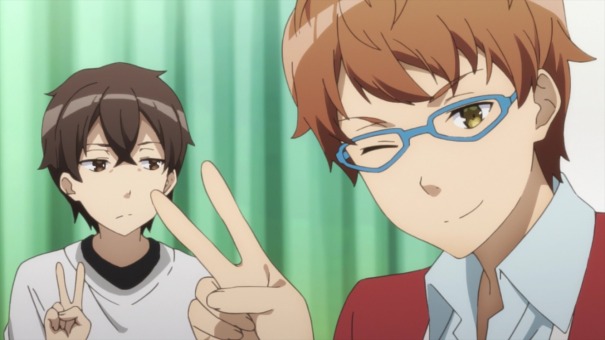
I’m going to start by writing that I love these characters. They’ve got such rare, humorous chemistry together, and only when Itsuki’s apartment was full was I thoroughly entertained. That said, Itsuki is an incredible narcissist and resident little shit while Nayu is practically a whore. Any chance he gets, he shamelessly plugs his pitiful writing in conversation (usually while in a drunken storm), and Nayu? Well, she strips down. With her, it’s always boobs, butts, and dicks [insert me still giggling like a middle school boy]. It’s repetitive, almost obnoxious, and STILL, I thought they were fun characters. I adored having the shy and typically out-of-the-loop Miyako play the straight man (woman?), and I got a kick out of Haruto’s “online gay facade to attract more female fans” charade. It was all so funny to me—THEY are all so funny to me—and although the comedic gags are dumb, I still enjoyed our time spent laughing in Itsuki’s little apartment immensely.

Beyond the pervy foreplay and dick jokes, this series’s characters are some of the best of its kind: Haruto is a hard worker battling on the same front as his talented friends; Nayu is a gifted writer seeking a more personal connection beyond words on a page; Miyako is starting to find herself by venturing out of her comfort zone; and Itsuki still yearns for . . . a little sister? No, hardly. All he needs is a good group of friends, and fortunately for him, he’s already got that.

IMG_5930

There’s NO WAY These Guys Are “Adults”

Is it just me, or do all of the characters in a Silver Link. work look like they’re ten years old?  Apologies, random point there, but the cute, underaged character designs continue in A Sister’s All You Need. Despite being a series about adults surviving on their own (except for Nayu, age 18, and Chihiro, age 16), all of the characters look like they could still be in high school. Itsuki, who is supposed to be 20, looks like a friggin’ middle school boy, and Haruto doesn’t look a day over 16 himself despite being Itsuki’s 22 year-old friend/rival. TWENTY-TWO YEARS OLD GUYS. And it’s even more conflicting when these full-blown “young adults” start going off on wildly inappropriate and lewd discussions about, well, whatever it is that gets light novelists going.

IMG_5130.jpeg

Although the visuals might disappoint adult viewers anticipating a cast of accurate-looking adults, the art style is still nice and easy on the eyes, even if the balance between seriousness and comedy looks very inconsistent at times. (I swear, there is never “one” Itsuki, as he looks different in every frame.) On the subject of comedy, each of the tabletop games the cast play are visualized in unique styles to bring them to life. Also, all of the games they play ARE, in fact, REAL board and card games, which is awesome! I love how a group of authors play such creatively-stimulating games—it makes the life of a light novelist feel all the more real! As you can expect, I ended up buying and introducing the storytelling card game “Once Upon A Time” to my own friends, and while it requires a good amount of mental stamina, it is tons of fun.

rpg.png

For the English voice cast, VA Stephen Fu overwhelmingly excels at bringing Itsuki’s narcissistic charm and asinine snarkiness to life. (Seriously, why don’t we hear from this guy more often??) While sounding a bit too old for Nayu’s character, I can’t think of anyone better than Jamie Marchi to make those insatiable lines just roll of the tongue. While I think Sara Ragsdale’s voice is not as full and confident as I’d like, I did find her extreme timidness here appropriate. And of course, it’s always nice to hear Eric Vale lay down some smack as Itsuki’s nagging editor, Kenjirou Toki.

Finding the Inspiration to Write Through Friendship

Underneath all its abundant layers of lewd nakedness, somehow, there’s something in A Sister’s All You Need. that makes me want to sit at the keyboard and write myself. I was able to find inspiration for writing in the most unlikely of places, and that to me elevates this seemingly ordinary, dime-a-dozen siscon anime based on a light novel to merit it worth the watch. For not particularly liking the little sister trope, I surprisingly enjoyed myself a great deal. You’ll also find yourself wanting to support fellow novelists after watching, or even become interested in light novel culture as a result!

IMG_5127.jpeg

There’s also an interesting philosophical struggle tugging at our authors: whether to appeal to what’s popular—what people are currently into—and build yourself as a person to sell your books (Haruto), or to write exclusively about what you enjoy, even if that in itself might not appeal to a large audience (Itsuki). As a blogger, this is something I must always consider when publishing a post (though I’m usually the latter, as I can’t keep up with today’s standards haha).

At its worst, this stupid comedy series is downright weird and too far out-there to make any logical sense. But at its best, like when Itsuki [stops being a self-indulgent ass and] legitimately wants to try his hardest as to not fall behind Haruto or Nayuta’s immediate successes, it’s surprisingly a very compelling, almost inspiring, story. Victory and defeat come hand-in-hand, after all, and the publishing world is not exempt from that law. The biggest problem with the series right now is that, like most light novel adaptations, the story of Itsuki and his friends is far from over. This first season is but a hilarious, heartwarming glimpse into the perverted life of a light novelist, and I do hope author Yomi Hirasaka gets the green-light for a second season of his own work in the near future—and that he, too, will celebrate his success with good company, games, and a round of drinks!

table of friends.jpg


What you want, someone always has. And usually, it means nothing to the person who actually has it. It’s pretty much a miracle when you have what you want, and most comedies and tragedies happen due to the absence of that miracle. It may not be fair, but that’s just how the world works.Itsuki Hashima


Afterword

With all its light novelist insight, comedic overtones, homoerotic undertones, and dick jokes abundant, I confidently recommend this silly light novel adaptation as a “Cake” here at the cafe, as its characters lay down fascinating intentions and promising developments straight from the start, plus it’s hella funny. Just like Itsuki’s outrageous little sister stories, there’s a “mysterious appeal” to A Sister’s All You Need., and I consider it a miracle that I admittedly enjoyed it, let alone to the degree that I did. It’s simply a fun series, and if the premise of authors drinking and playing tabletop RPGs together intrigues you, all the more reason to watch it!

book cover.jpg

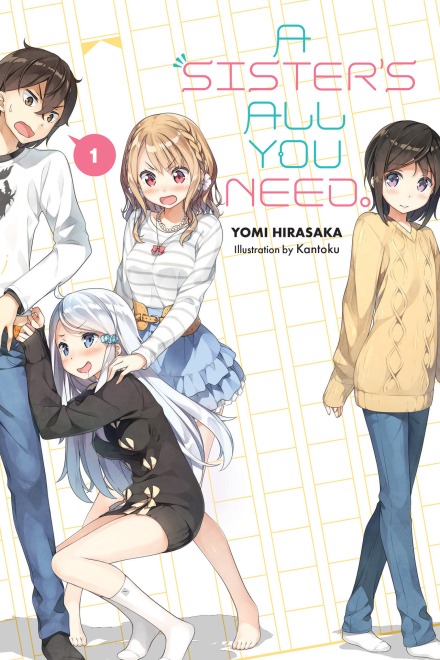
Surprisingly, the anime baited me into buying the first volume of the light novel series recently published by Yen On, so that’ll be an exciting read which I’ll definitely write about if the new developments are fulfilling enough! But what did you think about this lascivious little series? Did you find it too dumb ‘n dirty or hilarious and oddly pleasant? I’d love to hear your thoughts! Thanks for reading, and until the next time, this has been

– Takuto, your host
Bokurano: The Darkness Within Our Hearts | Review

A brief spoiler-free review of the 24-episode spring 2007 anime “Bokurano: Ours,” animated by Gonzo, directed by Hiroyuki Morita, and based on Mohiro Kitoh’s manga of the same name.

***MINOR SPOILERS FOR THE FIRST COUPLE EPISODES ARE PRESENT***

in the grotto.jpg


How Would You Spend Your Last Day on Earth?

I’m sure you haven’t given it much thought; to which, neither have I. None of us do, and yet here’s an anime where kids are told when they will die, how they will die, and that whatever they do with their final day is up to them. There is no running away from fate, it’s do-or-die time. However, I suppose my words would have more weight if I told you why. Allow me to backtrack . . .

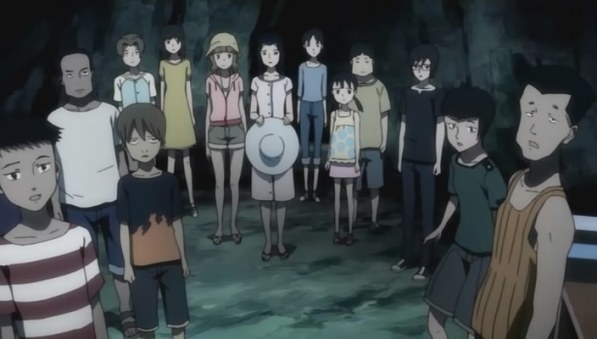
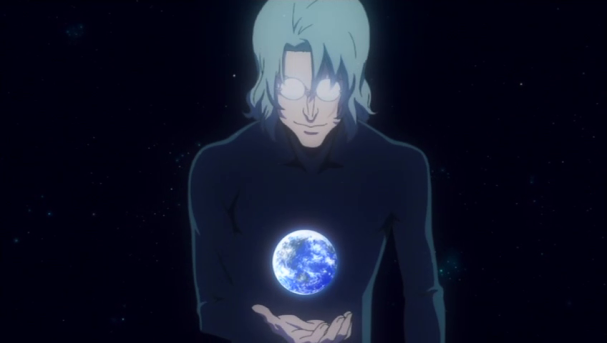
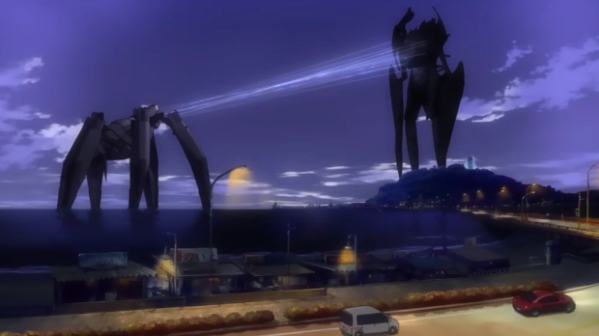
Fifteen children are enjoying their youth together at a summer camp. It’s sun, sea, and, what’s this? A mysterious grotto by the shore? The kids explore the creepy cave only to find a strange setup of computers and monitors, along with an even creepier old man calling himself Kokopelli. Supposedly, Kokopelli’s been developing a game, one where the players pilots a giant robot to defend Earth against 15 different alien invasions, and all he needs now is willing players to test it out. Sounds fun, I mean, what could be the harm? By individually placing their hand on a scanner, the kids complete their contract and suddenly blackout.

kokopelli.png

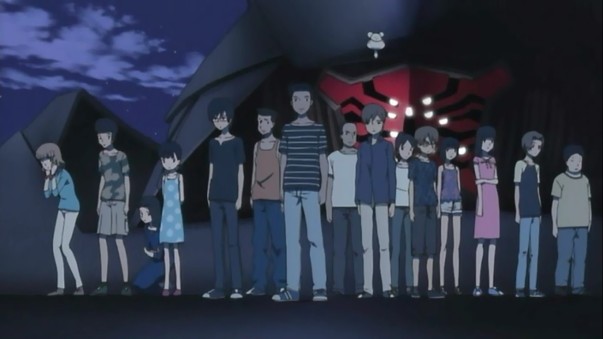
They awaken back on the beach. Other than the fact that night has fallen, everything appears normal. Normal, EXCEPT for the impossibly high 500-meter-tall giant robot now towering over them! In a horrific twist of fate, the children must now take to their seats to pilot Zearth one at a time in hopes that they have the physical strength and mental fortitude it takes to defeat the bizarre enemies. But Kokopelli’s abrupt disappearance leaves the afraid and confused kids with harsh truths they must discover on their own: What exactly is Zearth, and what is the giant robot’s energy source?

Before I rip into the fantastic story of Bokurano, I wanted to address my biggest issue with the show right off the bat: the “antagonist.” Surely, even just by reading the synopsis something seems fishy. Where did Kokopelli go? Will he reappear later as the antagonist? It’s tricky for me to explain much of anything without ruining the surprise, but I can imagine that you, too, understand that there’s something else at play here. And here’s the thing: that “something” doesn’t really make much of an appearance. When director Hiroyuki Morita brought over the story from Mohiro Kitoh’s manga, even he felt that some of Bokurano was just way too damn sad (sources are all over the web confirm this).

So he changed it, and I think that the force that moves the anime along was “left behind” in the process, either because it didn’t mesh well with Morita’s new story, or that there wasn’t enough time to explain it all (as is what often happens in anime). Don’t worry, this anime adaptation is still one of the most depressing things you’ll ever watch, but if the ending feels somewhat incomplete, it’s because *frustratingly* this is not the same ending intended from the start.

cast

The Saddest Soldiers for the Saddest Anime Ever

Systematically, we bear witness to pilot after pilot fight their battle and depart from the scene. Where do they go, what happens to them? Ready for a dose of reality? ***SPOILERS for the first couple episodes, but they die. That’s all there is to it. There’s no glory, and no reward. Once you’ve served your purpose in prolonging the planet’s safety, no longer are you of any use to Zearth and Koemushi, a cruel and sadistic ABOMINATION whose job is to circulate this cycle of death and inevitably select the next pilot.

Each episode or two, we center our narrative focus on the next pilot chosen. From family and friends to one’s most carefully guarded secrets, we quite literally see all of it. The darkness in our hearts can seem infinitely deep, regardless of one’s age, and the fronts we put up can’t always mask it all. We see kids break, physically and emotionally, and although we know that they’ll die at the end of the episode, it can still be dramatic and utterly heartbreaking. Honestly, I wish they had more time . . . I won’t go into further details for real spoilers, but watching others suffer is . . . well, “Pain is addictive.”

Bokurano is thrilling up until the very end, even if it is hard to watch these poor kids undergo psychological torment to no end. Either it was super interesting to watch or, subconsciously, I wanted to quickly put them out of their misery, but I just could not put Bokurano down for a second.

fight.jpg

Oh, and be prepared to have your guesses as to who’s next get smashed, as even the seemingly “main” characters are not spared from Koemushi’s wrath.

Lost Iconography: The Circle of Chairs

A lot of early 2000s anime don’t hold up very well in today’s day. Bokurano is no exception from this. The show’s characters can look pretty rough on the eyes, and other than the robot fights, Gonzo’s animation is kept to a minimum, resulting in too many dialogue scenes and conversations that don’t seem to end. On those robot fights though, man—Bokurano’s got some of the most engaging, exciting, strange, and truly colossal mech fights that the genre has to offer! Unlike a tedious game of “My gun is bigger than your gun,” a real amount of strategy is required to pilot a robot that essentially has no controls—just your mind. Sync with Zearth, tell it what you want to do, and it will likely perform the feat even if its mechanical structure has to be reconfigured entirely. Just as how we know more about the cast as we go along, we come to see Zearth’s true range of abilities, and understand why it is able to put up such a good fight.

bokurano fight.PNG

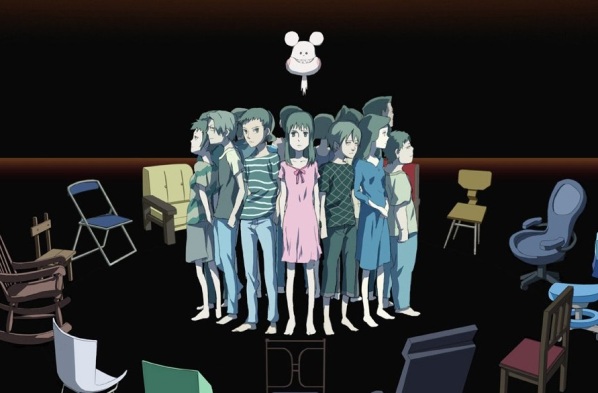
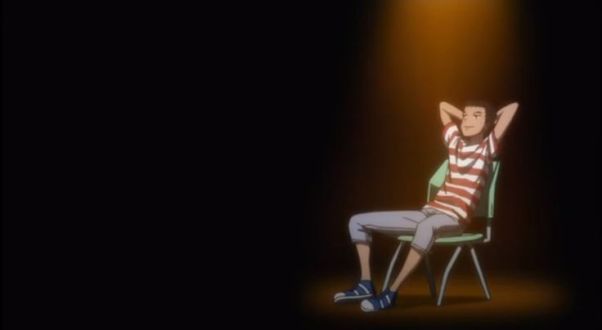
I wanted to briefly mention the chairs, though. You know, that eerie circle of unique chairs inside Zearth’s pilot chamber. The chairs are how the pilots enter and exit Zearth, and without their genius iconography, works like Madoka Magica may not have that extra special “Shaft” touch. A single object or location can tell an entire story—and these chairs encompass both of those categories. Whenever I see Daiichi, Komoda, or Chizuru’s chairs, I immediately recall their struggles, their emotions, their story, which is absolutely wild given that they’re ultimately just furniture. Where do you spend most of your time sitting? How does that area represent who you are as a person?

bokurano characters.jpg

While the main OST doesn’t offer much in the way of me thinking, “Oh yeah, that’s Bokurano!” Chiaki Ishikawa has absolutely dominated the sound department with her amazingly addictive OP and two excellent ED themes. “Little Bird” and especially “Vermilion” are rich with a somber quality to them, but “Uninstall” ranks up there as one of my favorite OPs of all time for its epic melancholy, sorrowful lyrics, and ability to call to mind all of the beauty and tragedy in Bokurano. 

The Pain of Letting Go

Could you put enough pain on a single person to change the human heart? Short answer, yes, but the road to such change can be messy, frustrating, and completely exhausting. Bokurano‘s main interest comes from the constant curiosity of where the story is headed next. What will ultimately stick with you, however, are the hearts left behind along the way, and the stories that succumbed to tragedy—or the few that ended with a glimmer of hope.

As characters exit the stage one by one, their vacant seats are left to inspire the next chosen hero. At one point, these chairs had a warm body that sat in them, that thought about their place in the world, and that struggled to come to terms with their fate. Although its visuals are dated and some of its background plot points could’ve been fleshed out better for the finale, Bokurano still holds fast as a gem of its genre, reminding us that everyone suffers—but we that can still be saved.

waku.jpg

An awesome reality came to meet us from beyond. It came to laugh at how simple our existence was. Even when I covered my ears, the truth slipped through both hands and confounded me . . . I have no choice but to act as a warrior who knows no fear.—from “Uninstall,” the opening theme


Bokurano‘s been sitting on my backlog ever since I watched Evangelion, and now that I’ve FINALLY seen it, I can confidently recommend it to fans of that other popular abstract mecha anime. Their distorted premises may be different, but the stakes of the game are the same, in that a group of kids must pilot giant robots against the wrath of the heavens—or face the destruction of their world. Similarly, both stories feature a very human cast dealing with issues like depression, anxiety, and other mental illnesses to sexual frustration and an inferiority complex. Both series handle these themes with extreme care and realism, which can be appreciated immensely. If it isn’t a surprise by this point, then please, let’s honor Bokurano: Ours as a “Caffe Mocha” title, a rating reserved for only the best!”

bokurano poster full.jpg

Because of its clockwork death count and endearing participants, I found this smartly written survival game to literally be The Saddest Anime I’ve Ever Seen. Despite being full of nothing but misery and grief, the suspense of hope that releases at the very end feels immensely satisfactory. If you’re up for a bit of a psychological challenge and don’t mind a throwback, you ought to give Bokurano a try (Crunchyroll’s got it for FREE)! Already seen it? Let me know what you thought about Bokurano or this review down in the comments and we can reminisce together! Thanks for reading, and until next time, this has been

– Takuto, your host