Mugi holds club ad

The Anime V-Day Special Returns for 2025!

Happy Valentine’s Day~!

The time for me to bundle up against the cold and take on another highly treasured anime property is here! That’s right, we’re back at it again this year, but the flavor is a bit different for 2025. As the early part of any year tends to put me in the mood to bite down on some sci-fi anime, I can usually call this the “Sci-Fi V-Day Special.” However, after gazing at my options of interest, it seemed that I wouldn’t be able to make room for anything huge this year. In the interest of time, I was forced make a swift pivot, yet trust me when I say that I’m still excited for what 2025’s special holds.

BUT, before I make the announcement, let’s look back on the history of this homegrown tradition. Here’s a refresher for those in need!

2013 ~ Steins;Gate

2014 ~ Kokoro Connect (I think . . . )

2015 ~ Neon Genesis Evangelion

2016 ~ The Rose of Versailles (It’s not always a sci-fi watch, I know!)

2017 ~ Ghost in the Shell

2018 ~ Haikyuu!! (Again, not sci-fi!)

2019 ~ RahXephon

2020 Gunbuster (PANDEMIC)

2021 ~ Gunbuster

2022 ~ *SKIPPED* (I did watch Heroic Age, though.)

2023 ~ Evangelion: 3.33 You Can (Not) Redo (REWATCH)

2024 ~ Trigun

This annual advent always emphasizes classic anime, those which have proven the test of time and are still beloved across many circles. With full knowledge of the time restraints AND the desire to try a slice of the easy life (or cake, whichever is served first), I’m happy to announce that this year’s V-Day Special will be . . .

2025 ~ K-On!

After the Trigun watch poster turned out so nicely, I put similar effort into designing the watch order “roadmap.” Hope y’all like it!

While K-On! hasn’t been one of those titles lingering in my physical collection amassing a thick layer of dust on its case for too long, it’s one every anime fan from the dreamy 2010s era remembers fondly. I’ve admired these silly girls and their light music club from afar for YEARS, and it’s time I sat down and truly gotten to know them.

Over the next few days, I’ll be hibernating before the TV and munching on the sweet treats. In fact, what makes this marathon so much swifter is that I purposefully chose a title I’d already started to serve as the V-Day Special. Sooo, my actual “starting point” for the holiday will be in the middle-ish of the second season. Call me a cheater, that’s fine! I’d like to think of it as being proactive!

As I spend this time recollecting myself and appreciating all the things I’ve accomplished within the past few weeks, I hope you, too, will be spending this season of love doing that which makes you happy. Whether that means enjoying time with family, friends, or a loved one, what matters most is that you find and embrace that warm, tingly feeling that makes our hearts flutter. Of course, eating something sweet is a must as well!

When next we meet, I hope I’ll be able to muster the energy to organize my thoughts on the K-On! franchise, be it in the form of a review or a more casual reflection post. Either way, it’ll be a retrospective glance at a 15-year-old anime gem. Look forward to it with passion!

IT’S FUWA FUWA TIME!!

– Takuto

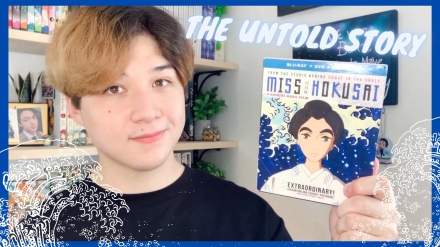
Miss Hokusai || Summer Film Spotlight #3

THE UNTOLD STORY 🌊✍️

Hey guys! Welcome to the third Summer Film Spotlight! Today we are celebrating GKIDS’s beautiful dubbed Blu-ray release of Keiichi Hara’s Miss Hokusai. This movie is full of important artistic values, from finding creativity in everyday life to balancing family life. O-Ei’s tale continues to inspire me as an artist, and I want to share it with you guys.

I hope you’ll continue to join us on this summer journey through film. See you next Saturday with another Summer Anime Film Spotlight!

Interested in more anime, manga, or K-pop content? Subscribe to stick around 🙏

Thanks for watching~!

– Takuto

Den-noh Coil: The 2000s Sci-Fi Anime You Never Watched (But Should) || Review

A brief spoiler-free review of the original 26-episode Spring 2007 anime “Den-noh Coil” (also translated as “Dennou Coil”), animated by Madhouse, created and directed by Mitsuo Iso.


Nostalgia, Child’s Play, & the Internet

In the near future, people have integrated augmented reality their daily lives through the use of specialized cyber glasses. A virtual world of “E-spaces” overlays Daikoku city’s electronic infrastructure. Viruses hide in plain sight, yet only glasses wearers can see these virtual hazards. Children in particular find immense joy in tracking down old abandoned E-spaces and using them for their own game. Hacking spaces, switching servers, discovering damaged domains—it’s like the coolest game of geocaching you could ever play! Some have even taken interest in hunting for metabugs, small gems which can be converted into currency or special items in the digital world.

This brings us to Yuuko “Yasako” Okonogi and her family, who have just moved to Daikoku City despite rumors of some people mysteriously disappearing. While searching for her cyberdog Densuke, Yasako encounters Fumie Hashimoto, a playful classmate and member of “Coil.” Comprised of other community youngsters, the small unofficial detective agency helps glasses wearers solve various cyber troubles. The girls’ meeting also brings Yasako’s snappy grandmother back into her life, who just so happens to run a shop that sells illegal tools which interact with the virtual world AND is the bright mind behind Coil.

Like any program, however, there are many bugs in the system, dubbed “illegals.” Some are lost, aimlessly wandering the digital landscape to eternity. Other illegals exist to cause mayhem, and some are harmless yet like to follow humans around, much like a household pet would. Another girl, Yuuko “Isako” Amasawa, is also investigating these corrupt spaces, but her abrasive hacking style (and attitude) deters her from making friends. The kids in Coil are determined to discover the truth behind the mysterious viruses and disappearances, but little do they know what corruption lurks on the dark side of the web.

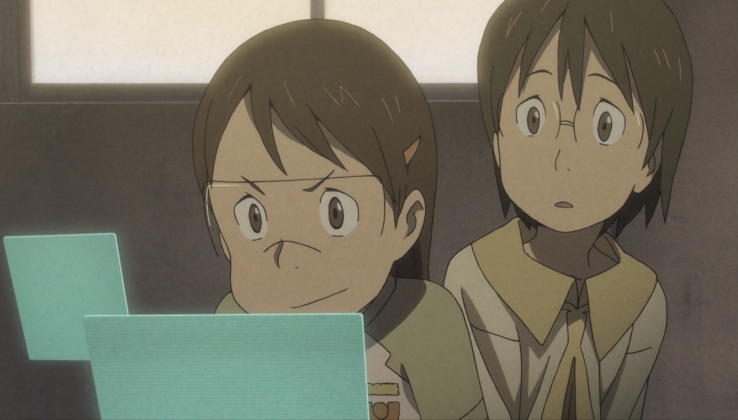
yasako and fumie

Virus Attacks & Friendly-Fire Hacks

For the entirety of the series, Yasako serves as our blank canvas as Fumie guides us through the ins and outs of the virtual world. The two girls become best friends, and Fumie’s intelligent yet loud personality meshes well with Yasako’s soft naivete. Navigating through scary virus attacks and friendly-fire hacks from their fellow classmates, the go quite well together as a pair.

But, if there’s one giant brick wall stopping them from having fun in this digital space, it’s going to be Yuuko Amasawa. To avoid confusing the two Yuuko transfer students, the kids call her Isako. And boy is Isako one tough nut to crack. She’s standoffish, rude, and totally not interested in making friends; rather, her eyes are set solely on collecting metabugs for her own personal mission.

To complicate matters, the incredibly obnoxious and bratty Daichi Sawaguchi (along with his self-named “Hackers Club” goons) are also trying to snatch up metabugs, drawing out much of the conflict in the series’ first half. As things get weirder and weirder on the digital side, these hidden secrets tell of disastrous things happening in Daikoku City. Maybe, just maybe, the forces undermining the kids’ efforts will allow them to start seeing eye-to-eye.

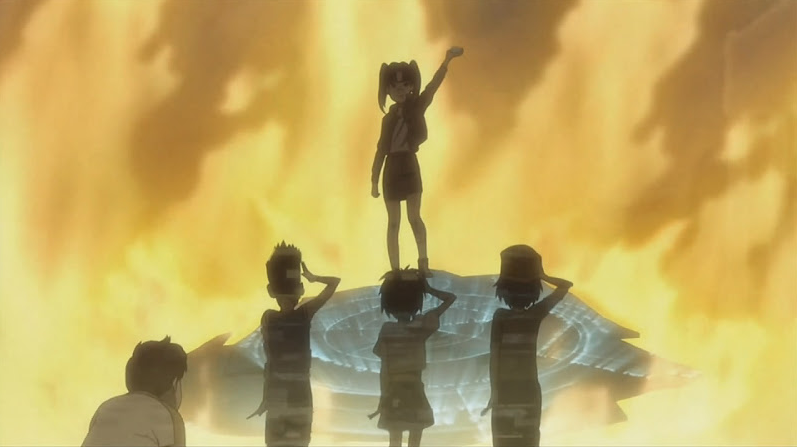
isako hackers club

Given that practically the entire cast of this one is made of children, I’m SO glad that the English dub from Maiden Japan cast all the young boys with female dub actresses. (It just helps avoid the cringe of hearing a 30-year-old man voicing a ten-year-old.) I’ve never heard a dub where the children—to this extent—act and sound so much like children should. These kids are FUNny and are a hoot to watch! (And I LOVE Specs Granny!!)

Whether chasing down urban legends, stalking haunted hotspots, or connecting dreams and memories across time and digital spaces, these kids go on quite the coming-of-age journey. Together, they prove that the Internet can be a fantastic place for self-discovery—but also a potentially hazardous landscape without practicing proper safety.

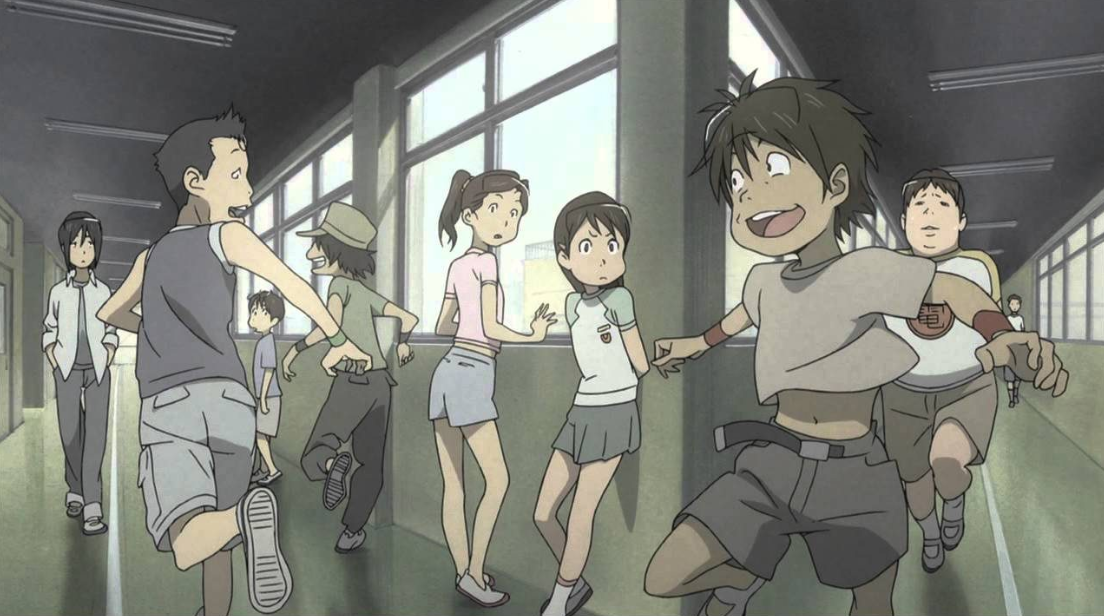
dennou coil kids

Integrating CG with the Digital World

Although the show has a quiet, lukewarm start to it, the talents at Madhouse breathe astonishing life into Den-noh Coil. Mitsuo Iso not only directed AND created the entire story—he also drew many of the key frames himself! His style is jerky yet detailed, full of motion and expression. There’s some really well-animated character work done here, and it’s all in the details. Whether fidgeting children, readjusting glasses, or making silly faces, the animation fully encapsulates the behaviors and mannerisms of goofy 6th graders.

Despite coming from an era of anime where the use of CGI was almost purely experimental, the 3D CG works remarkably well here since Den-noh Coil‘s world is deeply intertwined with the digital space of the Internet. Muted, drab, washed-out Tokyo landscapes provide a unique, small-town community atmosphere to the series. Much of the AR special effects work is done with CG, giving us a nice distinction between the bleak watercolor skies of the real world and the quirky (yet dangerous) E-spaces that the kids are so fond of exploring.

I also found the entire soundtrack of the show to add a unique quality to Den-noh Coil. The series is accompanied by soft acoustic guitar and the quiet cascade of digital sound effects whenever the kids are dueling in back alleyways. Tsuneyoshi Saito’s OST, as with most of his other works (most notably Fafner), showcases the strengths of orchestral music. If we’re not getting weaving wind ensembles, we may hear the solemn beat of tribal drumming, or even the tender, evocative enchantment of the piano. It’s classic, and this kind of music will always win me over.

searchie

Connection, Disconnection, & Loss

Den-noh Coil takes a bit to get going, but enjoy its comedy/slice-of-life beginning. Trust me. These early-middle standalone episodes explore youth, life, and living side-by-side with this digital world, and are by far some of the strongest in the series. (The beard episode was especially great.) I’d argue that the episodic direction in the middle is far stronger than the main overarching story. Then again, I just find that the episodic style suits the series’ world and setting better.

About two-thirds of the way in, this sci-fi adventure kicks up the mystery with a starkly different plot set in motion. The character drama in the middle is also strong and even stronger at the end, which ties in well with the creepier subjects of the series’ finale. It’s a striking tone switch, but it really makes for an exciting finale.

yasako laser

These days, no one talks about Den-noh Coil (which is partially why I was drawn to it in the first places). I think that’s sad, because it’s more relevant now than it ever was in 2007 when it first came out, and I can’t help but think how highly people would praise the series if it was put out today. Certainly, it’s one creative piece of sci-fi.

Den-noh Coil tackles themes of connection, disconnection, loss, extinction, living within boundaries, and learning to push beyond certain limits. It explores what can go wrong in a world that lives side-by-side with technology, a world that can be hacked AND hack you just the same. Some stories are silly and eccentric; others are thought-provoking and startlingly philosophical. If you’re wanting an anime that explores transience in the digital age and you’re tired of being directed to Ghost in the Shell or Serial Experiments Lain, go give Den-noh Coil some love. It’s TOO overlooked and under-appreciated, and I guarantee it’s the early 2000s sci-fi anime you never watched—but absolutely should.

yasako and isako


What is real? Does being able to touch things make them real? If something can’t be touched, does that mean it isn’t real? What things are really, truly here? What things are actually here for sure?  — Yuuko “Yasako” Okonogi


Afterword

I had to sit on my rating for Den-noh Coil for a while. On one hand, it’s slow, a bit drab, and unnecessarily confusing with all its technobabble nonsense. On the other, however, it’s surprisingly dynamic and full of interesting ideas. And you know what, it’s for these reasons that I welcome Den-noh Coil as a certified “Cafe Mocha” title. THIS right here is what we call an anime gem, and you should seriously consider adding it to your watch list if you love sci-fi or augmented reality in the slightest! Had I watched it as a child, I couldn’t even begin to imagine the boundless fun I would’ve had with it! Are you one of the rare few who have seen Den-noh Coil? Please let me know, as I’m looking for fellow Coil kids to love this show with! Thanks for reading, ’till next time!

– Takuto

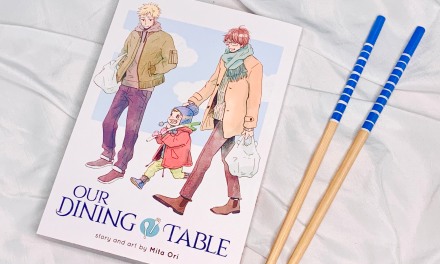
Our Dining Table: Growing Closer One Meal at a Time || Review

A brief spoiler-free review of the standalone BL manga “Our Dining Table,” story and art by Mita Ori, and licensed in English by Seven Seas Entertainment.


Boys’ Love for the Soul

Despite his excellent skills in the kitchen, salaryman Yutaka has always struggled with eating around others since he was little. This changes when he encounters a hungry little boy named Tane and his much older brother Minoru. Eager to eat more of his tasty onigiri, the two brothers invite Yutaka over to teach them how to make his delicious food. Slowly, Yutaka starts developing an appetite for their warmth and acceptance around the table—as well as feelings for Minoru and his little family. This is the story of love that starts at the stomach, and gradually grows more heartwarming one meal at a time.

This slice-of-life shounen ai manga made waves in the manga community when it was announced for release by Seven Seas Entertainment. At the time, I wasn’t reading much BL, but even I heard about this highly anticipated title and was eager to pre-order my own copy the minute it went on sale. As a one-shot BL manga, Our Dining Table reads quick, closing out the story in just eight chapters. It even includes a short epilogue that, well, I won’t spoil for you. But it’s great, and it brings adorable closure to a story that I otherwise could’ve kept reading for decades.

To make the deal even sweeter, Mita Ori’s art is stuff to drool over. She draws food well. Very well. Too well. I grew envious of Minoru and Tane whenever Yutaka brought his cooking supplies over to their house. Right off the page, you can practically smell the delectable dishes they make together. The characters themselves are also drawn with a soft aesthetic to them, Tane in particular being the cutest little rugrat I’ve ever seen in manga! The way his eyes light up upon seeing whatever they’re having for dinner is an image I’ll never forget. I also love how Mita Ori used Tane’s childish stick-figure drawings as a transition to telling Yutaka’s backstory. Very clever and effective.

yutaka meets tane

Bonding Over Food

In both his personal and professional lives, Yutaka is a character who seems deeply misunderstood by those around him. People can be shallow and selfish, not to mention non-inclusive, and over time, being an outcast just becomes commonplace. We should always care for our friends and family, but things happen, and sometimes you find yourself eating alone at the dinner table each night. This is Yutaka’s life. Or perhaps, I should say was, as now he has Tane and Minoru in his life, and they really do change everything for him. Tane and Minoru aren’t just good company for Yutaka—they’re companions, the kinds you’d want with you your whole life, and I’m so glad they met.

Minoru and Tane aren’t without their sad family story either, though. Their mother passed away when Tane was just a baby, and Minoru has had to step it up as a parental figure to raise Tane in her stead. He loves his baby brother, but not everyone takes kindly to a 23-year-old who drags his 4-year-old brother with him wherever he goes.

It’s a good thing Minoru isn’t alone in his efforts, however; the brothers also have their loving father who makes a living as a potter, and their grandmother who looks after them by sending them off with nutritious meals whenever she can. Not everyone accepts or respects each others’ family lives, so the fact that Minoru and Tane can come from a place of understanding and accept someone like Yutaka into their home really is a delightful thing. It’s like seeing two lost souls find each other in the dark—their own glimmering light complements the other, and as they grow closer, they only radiate with a brighter glow and comforting presence.

yutaka and minoru

A Gentle Foodie Read

Mita Ori’s story about food, family, and friendship takes pride in the little things. Enjoyed are the quiet moments of tender living and merely existing with others, but celebrated are the joys of cooking and the sheer happiness that can come from cuisine when it’s made from the heart. Although Japan’s winter draws closer and colder, the bond between Tane, Minoru, and Yutaka only grows warmer and more wholesome.

Our Dining Table is just about the sweetest, most gentle foodie manga you will ever read. Yes, it is BL, but don’t let that label send your mind down the gutter. Through soft gestures, Mita Ori’s story is wholly dedicated to building meaningful bonds that capture the day-to-day life of two men from very different families, and how they intersect at the crossroads of food.

From cover to cover, this standalone slice-of-life BL manga promises to deliver pleasant vibes and positive energy, even when addressing the loss of a loved one. This is BL manga for the soul, and easily one of the best stories I’ve ever had the pleasure of enjoying. It is an honestly written manga with solely pure intentions, and however wonderful and filling the ending is, I assure you this—you will only be left hungry for more.

our dining table


I’m so happy. So stupidly, totally happy. To think eating with someone could bring me this much joy. — Yutaka Hozumi


Afterword

Guys, I’m speechless. Really, this is the fastest review I’ve ever written, and while it’s also one of the shortest, I can’t think of anymore praise that I can give this manga. THIS is what a “Cafe Mocha” manga title looks like. It’s not perfect, and it doesn’t need to be. The story, characters, and art style just have to speak to me in a way that I not only connect with but love unconditionally, faults aside. Sure, Mita Ori could’ve elaborated more on Minoru’s father’s job, their mother, or Yutaka’s job. But she didn’t need to—the characters feel alive enough as-is, and the story speaks for itself. I really, really loved this manga, and if you did too, please let me know your favorite part about this endearing little title! I honestly can’t recommend this book enough!!

We’re almost at the very end. Tomorrow, I will at last be diving into Yuhki Kamatani’s critically acclaimed Our Dreams at Dusk. Although it will likely not be a full series review (due to time restraints), I hope nonetheless that you will enjoy my final Pride Month post. Besides, I’ll probably return and do a full review anyway, just not in June. ‘Till then, friends, I’ll be looking forward to it!

– Takuto

Hitorijime My Hero: Unrequited Feelings & Forbidden Love || Review

A brief spoiler-free review of the 12-episode Summer 2017 anime “Hitorijime My Hero,” animated by Encourage Films, directed by Yukina Hiiro, and based on the manga by Memeco Arii.


Forbidden Love

Few teenagers are more hopeless than Masahiro Setagawa. The poor kid got roped in with the wrong crowd from a young age and now serves neighborhood thugs as their errand boy. He may have believed in heroes as a kid, but not anymore. His life takes a drastic turn one day when Kousuke Ooshiba, a local menace dubbed the “Bear Killer,” swoops in to take down the other gang members, saving Masahiro from their grueling low-life ways.

Time passes for Masahiro, and as he and his former friend Kensuke Ooshiba start attending high school, Masahiro is once again reunited with Kousuke—only this time, Masahiro is a student and his childhood hero has become his math teacher! First a hero, then a best friend’s older brother, and now “Mr. Ooshiba!?” To make matters even more complicated, Kensuke’s childhood friend, Asaya Hasekura, returns to his life with the request to be more than just friends this time around.

It’s starting to look busy in the Ooshiba household, and while Kousuke’s own feelings urge him to protect Masahiro like he once did, this sudden entanglement of the boys’ lives creates quite a complex web of relationships. As Kousuke’s lover, Masahiro will eventually have to decide for himself: to resign himself to his unrequited feelings, or to pursue a forbidden love.

This is one of those anime where the 3-episode rule most definitely doesn’t apply. The opening episodes of this shounen-ai school drama hone in on the relationship between Kensuke and Asaya, which is actually the parent story of Memeco Arii’s manga. After that quickly gets resolved, we shift the focus back to Kousuke and Masahiro’s “Teacher X Student” romance for the remainder of the series, which is significantly messier. Obviously, it’s an age-gap romance, which isn’t my thing personally, but at least the characters carry the weight of the show well . . . I mean, they do, right?

masahiro and kensuke

Poor, Poor Masahiro

I really need a shirt that says “Masahiro did nothing wrong, y’all are just bullies,” cause MAN, this guy has it rough. Living alone (save for his prostitute mother), Masahiro is one of those kids who was forced to grow up fast. While he cooks fantastic meals for Kensuke and his school friends and diligently cleans the Ooshiba household better than momma Ooshiba even could, these are conditioned responses. With his mother out every night, Masahiro has to cook for himself, and when she comes home a drunken mess, it’s Masahiro cleaning it all up the next morning. He doesn’t belong out on the streets with those thugs, but he doesn’t belong in his own home, either.

AND THEN you have a dude like Kousuke who comes in all grown-up and “mature” just to toy with Masahiro’s heart and throw him into gay panic mode. I don’t really know how to feel about Kousuke. Like, he knows Masahiro is immature in life and in love, and yet Kousuke continues to mislead Masahiro with his words episode, after episode, after episode. He’s supposed to be the “hot teacher seme,” I get it, but I couldn’t help but find some of his actions to be somewhat disrespectful.

The other couple of Hitorijime My Hero doesn’t make things much better for Masahiro. Kensuke is your typical fluffy uke who enjoys snacks and fun, innocently going about his friendships with the youthful naivete of a shounen protagonist. I suppose he is the first to accept Masahiro and his older brother’s forbidden love, which is heartwarming cause #family. And Asaya may be the best-looking boy in this series, but DAMN, the dude is HEARTLESS. I think it was supposed to be funny how Asaya would adamantly give Masahiro the cold shoulder and instead demand he cook for him, but I never laughed. (The other male classmates also used him like this, umm, the heck??) All the guys in Hitorijime My Hero besides Masahiro just felt so selfish. Fear not, there’s a happy ending waiting for everyone, but the road to getting a smiling Masahiro has its fair share of irritating bumps.

hitorijime school

Big-Chill BL Energy

Let’s talk art. Encourage Films is a new studio for me, but Hitorijime My Hero appears to be their leading title—and that’d make sense, because the series is one good-looking BL anime. Seeing Memeco Arii’s original character designs fully animated and chasing after their lovers is really something special. Had I watched this series years ago, I probably would’ve fell even harder for the characters. If you’re wanting a more down-to-earth shounen-ai romance, I would pass Hitorijime My Hero based solely on animation alone.

The entire soundtrack is also fits the mellow vibe of the series. Takeshi Senoo (most notably known for his work on the equally chill Aria the Animation) provides amazing orchestral magic to accompany the drama of the series. He balances the slice-of-life energy of quiet lo-fi beats with the more intense romantic pull of gentle string harmonies, almost as if the OST were for a feature film and not a series. It’s simply wonderful, just like the aesthetically pleasing OP “Heart Signal” by Wataru Hatano and the soft ED theme “TRUE LOVE,” which is sung by the various seiyuus from the series.

Now, it IS Pride Month, and it’d be a crime if I didn’t give special praise to the incredible dub directed by none other than David Wald! (He also directed the Love Stage!! dub and voices the bartender in this show!) Austin Tindle’s Masahiro is just a friggin’ gem, I love how nervous and klutzy he sounds all the time! David Matranga’s Kousuke is BIG SEXY energy (the way he said the F word, woah), which feels surprisingly natural for his character. Hearing Daman Mills as pretty boy Asaya was the biggest surprise for me, and I love how he kept the guy so snide and cruel towards others but would call Kensuke nicknames like “babe” and “Kenny” like it was nothing. Speaking of, Alejandro Saab can do NO WRONG as Kensuke, the purest boi!! Even if the characters were hit-or-miss for me at times, I cannot deny that they had superb VAs behind the mic with excellent scripts to follow, too.

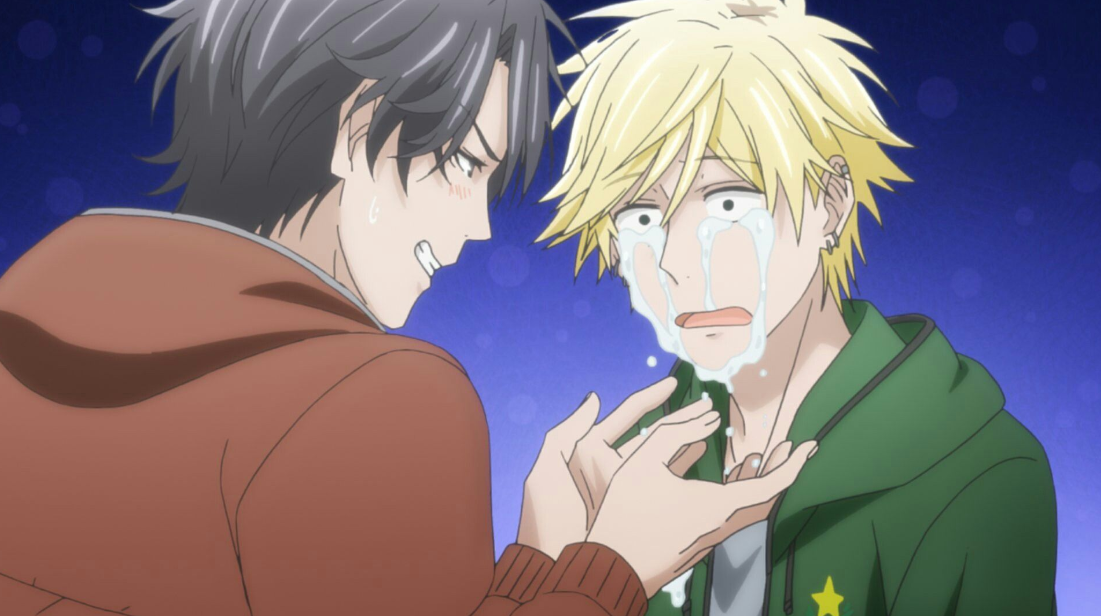
masahiro crying

Not the Best, But a Huge Step Up

While I seem to be pulling these LGBT titles out left and right, I actually haven’t watched that many BL anime. Maybe that’s because I know that BL anime kinda have a rep for not being nearly as good (or respectful) as their manga counterparts. That said, I’m not trashing BL anime (if anything, we can only use more!), but Hitorijime My Hero feels like a huge step in the right direction.

Despite the rudeness of the characters towards poor Masahiro, Hitorijime My Hero feels like a very real, human story (unlike the absurd comedy that is Love Stage!!). I know friends who have gone through exactly what Masahiro did, and maybe that’s why I felt so strongly for this kid. He’s a real boy. Fictional, but also just like that one confused, caring, love-struck individual we may know in our own lives—and even through smiles, that person doesn’t actually have the happiest life. It happens, but if we can be there for people like Masahiro—much as how Kousuke, Kensuke, and everyone else was there for him—hopefully we can become our own kind of hero for these people.

masahiro and kousuke night


Don’t worry about what the world wants from you–worry about the world you want. Sometimes, when your heart is telling you what it wants, you just have to listen. — Kousuke Ooshiba


Afterword

I feel like I did this one dirty, but sometimes you just gotta call ’em out when you see it. (I mean, I get that Kousuke was a “bad boy,” but he literally BROKE A GLASS DOOR to enter Masahiro’s apartment JUST because he didn’t answer his phone, I can’t with this guy.) But what did you think of Hitorijime My Hero? Do you also stan Masahiro or did you think he had it coming for him? Let me know down in the comments. I welcome Hitorijime My Hero as a “Coffee” title, and recommend it if you’re looking for a BL anime that’s probably better than most, but still not as good as Love Stage!! IMO. Maybe I’m wrong—you tell me!

My next Pride Month post will be over another yuri manga, the first volume of Dr. Pepperco’s Goodbye, My Rose Garden, so please look forward to that! Thanks for reading, and ’till next time!

– Takuto

Miss Kobayashi’s Dragon Maid & Coping With Reality || OWLS “Mindfulness”

Chances are that if you were linked here from another blogger pal, then you might be new. To those first-timers, “Hi, I’m Takuto, welcome to my anime cafe!” For the OWLS blog tour’s sixth monthly topic of 2020, “Mindfulness,” I wanted to take a breather and share some of my loose thoughts on a title that I’m quite late to the game to, but am enjoying nonetheless: the much-beloved Miss Kobayashi’s Dragon Maid. 

If we don’t take care of our minds and souls, we will always be in pain.

For the past few months, things have been pretty hectic. Everyone’s lives have changed to some degree, and we can’t help but feel anxious, nervous, and overwhelmed. This month we will be focusing on ourselves and keeping a strong peace of mind with our theme, “Mindfulness.” We will be analyzing characters that have crafted and practiced their own philosophy on life and have spread their beliefs to others. We will also be talking about habits, hobbies, and things that are keeping us sane, positive, and peace within our souls.

I find that mindfulness can apply to many other wonderful shows out there, so it was tough picking just one. Thanks Lyn for the prompt!

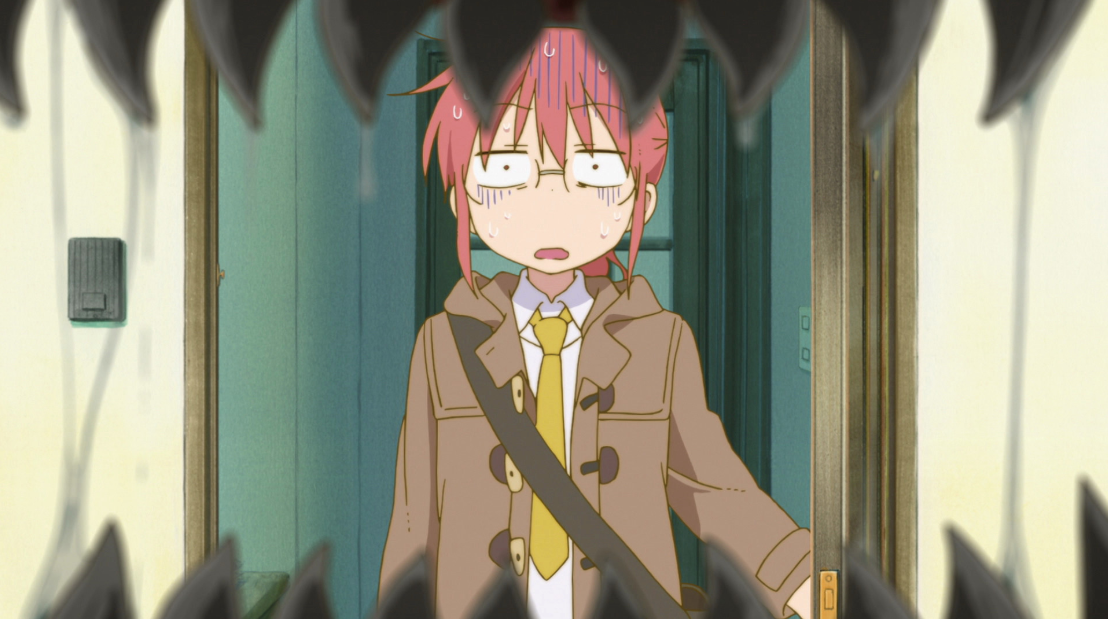
kobayashi tooru teeth


A brief discussion of the 13-episode Winter 2017 anime series “Miss Kobayashi’s Dragon Maid,” animated by Kyoto Animation, directed by Yasuhiro Takemoto, and based on the manga of the same name by Coolkyousinnjya.

Bound by Love and Servitude

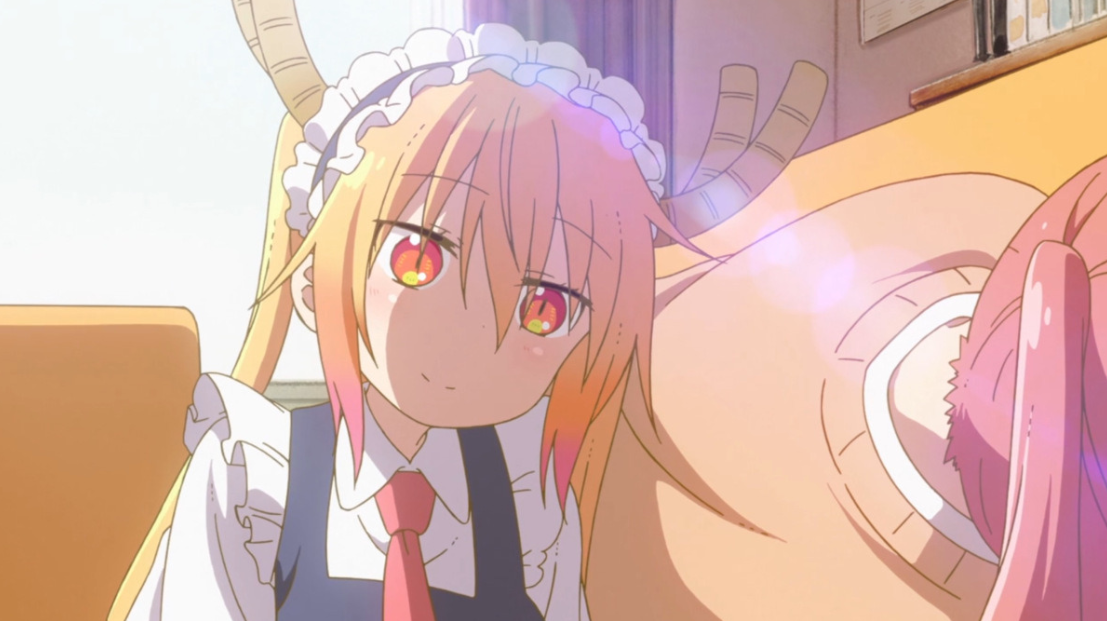
It’s another hangover kind of morning for stoic programmer Kobayashi, only on this particular day, she is greeted at the front door of her apartment by a giant green dragon with shiny scales and sharp, saliva-drenched teeth. The dragon suddenly changes to the form of a young busty woman in a maid outfit, and aside from her horns and the green tail behind her, she appears relatively normal. The energetic maid’s name is Tooru, and she’s come to work for Kobayashi for free.

A trip down memory lane has Kobayashi recalling that—in a drunken stupor the previous night—she had invited Tooru to stay at her place. Kobayashi was the first to show Tooru kindness since entering the human world, and Tooru plans to serve her savior with a genuine love to return that compassion. Although plenty hesitant, Kobayashi decides to welcome the energetic maidservant out of both guilt and a curiosity for Tooru’s superior dragon powers.

Tooru’s unconventional powers prove astonishingly useful in Kobayashi’s average Japanese life. What Kobayashi wasn’t expecting was, however, was for Tooru’s dragon powers to attract other mythical beings from the world of magic. A cute dragon, a fun dragon, a stern dragon, and surely more to come, Kobayashi’s little apartment slowly starts to feel more crammed—and yet, a little more like home, too.

tooru and kobayashi meet

Coping at Kobayashi’s Place

A bunch of magical creatures may have crashed her apartment, but Kobayashi doesn’t stop that from throwing off her day. She tries to end her long days in the office with a round of drinks, which usually entails her otaku co-worker Takiya joining her. Together they engage in playful arguments that serve to vent stress. Afterwards, she crashes, and leaves the repercussions of her binge drinking for tomorrow’s problems. Unlike most, drinking doesn’t leave Kobayashi overly grumpy and hangry, which is good for her new roommates and friends!

Speaking of, Tooru manages pretty well as a dragon maid. There’s always plenty to clean, and with guests coming and going from the apartment, Tooru’s diligent maid service comes in handy. Often, she is able to express her love for Kobayashi by finding unorthodox solutions to common problems. Whether rinsing the laundry with her stain-removing saliva or clearing rainy skies with a terrifying burst of fire power, Tooru only serves to please Kobayashi in any way she can. Tooru also looks past the gender norms of same-sex couples and loves her master with all her heart, to which Kobayashi returns with warm affection. (Happy Pride Month, y’all!)

Kanna is the third to join Kobayashi’s growing family, and arguably undergoes the most change as a result of being such a young dragon. She enjoys people-watching, fighting to the death with Tooru playing, and sleeping. Kanna also takes an interest in making new friends, to which Kobayashi and Tooru help her enroll in elementary school. Attending class with the other kids makes Kanna feel like she has a place to belong outside Tooru’s wingspan. The poor kid was (temporarily) kicked out of the magical world for pulling a harmless prank, after all, so any chance she can play again with others she takes. Coloring, crafting, and running around with her classmates is a way for Kanna to momentarily forget the pain of her banishment.

Lastly, there’s Tooru’s mentor friends from back home, Lucoa and Fafnir. The dragon goddess from legend itself who got drunk and caused a scandal, Quetzalcoatl “Lucoa” takes a liking to a young chuuni boy after he “summons her” from the other realm. Lucoa plays along, enjoying both his company and the fact that she’s only a short flight away from the girls Kobayashi’s apartment. Fafnir winds up rooming with Takiya after they bond over video games, and although he’s still cautious around humans, Takiya seems alright enough. Through the gaming community, Fafnir learns to relax a bit and accept that not all humans should be burnt to cinders (which trust me—it’s a big step for him)!

fafnir and takiya

A House Becomes a Home

As a slice-of-life comedy with a splash of fantasy, Miss Kobayashi’s Dragon Maid is just as fun as it sounds. The characters get themselves wrapped up in all kinds of daily matters as they try to adjust to their new home on Earth, and the results are as heartwarming as they are hilarious. It’s great, and I get why everyone loves this series.

While I’ve only seen the first seven episodes, I can tell that this is one of those “healing” shows people would turn to during stressful times. To keep their own sanity in this new way of life, our characters gradually start to develop unique coping mechanisms fit just for themselves. For our dragon friends, this involves bonding with humans and learning about their world. As for Kobayashi, it’s about realizing for the first time that life is a lot more enjoyable when you can spend it with others. Certainly, building a family is far more complex than programming for Kobayashi, but it sure is an invaluable, incomparable gain.

tooru kobayashi sleep


The more I treasure what I have right now, the sadder I’ll be when I lose it. But, as sad as I may feel, I’m sure I won’t regret it. — Tooru


Afterword

Guys, I absolutely cannot wait to finish watching this series! I totally get why you all have been recommending it to one another like crazy ever since it aired three years ago. I’m enjoying Tooru’s antics so much, and Kobayashi is such an unenthusiastic queen, I love it. Who’s your favorite character from Miss Kobayashi’s Dragon Maid? Let me know in the comments. I may end up doing a full series review later down the line, but just in case, I’ll go ahead and pass it with the recommendation to watch this one—especially if you’re seeking a more chill watch to ease these stressful days we’ve recently had.

This concludes my June 13th entry in the OWLS “Mindfulness” blog tour. My good friend Hikari (Hikari Otaku Station) went right before me with a post covering some of the shows she’s been watching that have helped with her mental health, which you can read right here! Now, look out for Aria (The AniManga Spellbook) with a post coming Tuesday, June 16th! Thank you so much for reading, and until next time!

– Takuto

Seven Days: Will You Still Love Me When Monday Comes? || Review

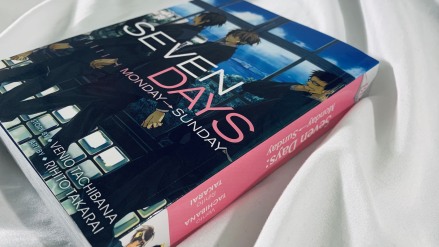
A brief spoiler-free review of the 2-volume manga series “Seven Days – Monday to Sunday,” story by Venio Tachibana, art by Rihito Takarai, and re-licensed in English by SuBLime Manga.


What Started as a Joke . . .

One week. That is all the time any lucky girl who dates Seryou Touji will spend with him. You can’t hate the guy, though. After all, he supposedly makes you feel like the most special person in the world during that time. Rumor has it that at the start of the following week, he’ll date the first person to ask him out that Monday morning, no tricks—and no strings attached either.

Curious about the mysterious first-year playboy himself, equally attractive third-year Shino Yuzuru decides to jokingly ask Seryou out one morning. True to the rumors, however, Seryou takes Shino’s offer seriously, and thus begins Shino’s fleeting seven days with him.

Although license rescued and released by SuBLime Manga, a company typically known for grabbing some of the harder yaoi works on the BL market, Seven Days much more belongs in the shounen ai or even school romance genre. Nothing about the story is explicit, making it the perfect gateway BL for newcomers ready to wet their feet.

Within just 13 chapters (or one omnibus volume), the entire story wraps up well enough to not warrant a continuation. Shino and Seryou’s week of dating and hanging out is also well-paced. Each day is divided into chapters, which means we literally are getting the full play-by-play for this awkward dating situation that started out as a joke but turned into much more.

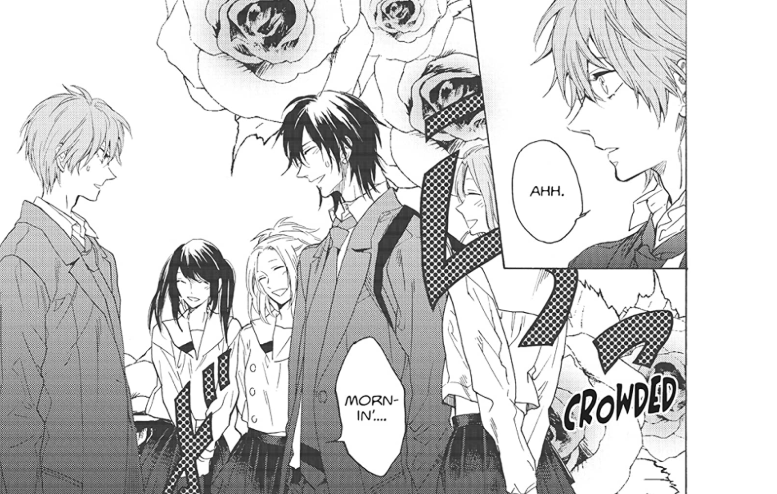
morning surrounded

Not Gay, But Gay Enough

What made the story somewhat difficult to get into was the fact that, technically, neither of our boys here are gay. That is, Shino and Seryou don’t actively seek males as a dating preference to females; if anything, they’re both well-known ladies’ men, and they know it, too.

So, how can two “straight” dudes fall for each other? For one, they’re both undeniably the hottest men in their school. Second, they share a pastime together—archery—which often leads to the start of many conversations (and playful teasing). Third, and this might just be me reading into it, but Seryou might actually have been gay from the start. The first-year can’t seem to fall in love with any of the many girls he dates. Yet, when approached by Shino that Monday morning, he doesn’t refute him. It could be that he was curious all along, and took the offer when it came to him.

It’s a little frustrating to cheer two guys on when neither is really into the same sex (unless . . . ), but at the same time, it’s amazing what dating one another allows the boys to see about themselves. Despite his graceful nature and pretty face, Shino is a pretty laid-back, impolite guy, not to mention being seriously blunt about everything he notices. Dating Seryou makes Shino realize that his worst traits really can hurt people—but also that they are what make Shino himself.

Then there’s Seryou, also a pretty boy but drastically bad at reading people. Unlike Shino, Seryou wears his expressions on his face, and even though he thinks he’s being transparent, Seryou isn’t as good at knowing others as he might believe. In fact, he’s kind of shallow in his romantic encounters, which Shino quickly picks up on. Even though he can let girl after girl live their high school fantasy, at the end of the day, Seryou doesn’t even save their contact information on his phone. He sure was quick to memorize Shino’s number and email by heart, though . . .

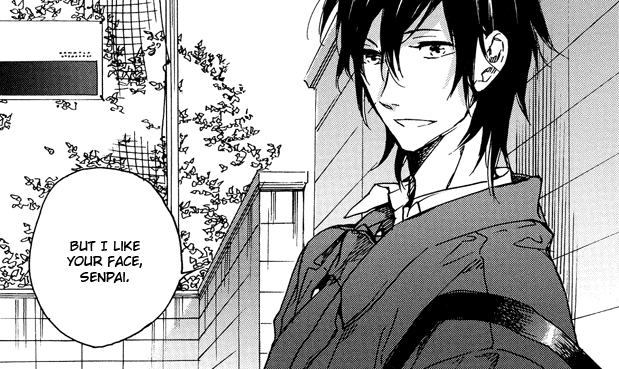
seryou charming

The Look of Early 2000s BL

Although Ten Count was the first yaoi series I’ve ever read, I’m definitely no stranger to the BL genre. I’ve seen plenty of screenshots of early 2000s BL manga on the internet and have flipped through my own fair share of yaoi manga at used bookstores. It’s nice to finally have purchased my own copy of one of these works, and I feel even more pride in having it displayed on my shelves. Seven Days is a nice little title to have for sure.

Aside from the license rescue stirring news in the manga community, however, what initially pushed me to buy and read Seven Days was because it shared the artist of Ten Count, Rihito Takarai. Having recently been acquainted with her series work, I wanted to see how her older art held up. Boy, has she improved. But also, WOW, she’s been this good from the start!?

Takarai knows how to draw pretty boys. Both donning that signature uke and seme look with their tall, lanky, yet athletically built figure, Shino and Seryou walk like gods among men. Their chiseled features, large eyes, and pointy noses hold all the indications of desirable beauty, especially of BL characters in pre-2010 works. Perhaps you could call Seven Days an early 2000s time capsule that most would still love and enjoy today.

It was probably the hair styling, however, that first caught my eye and stays in my mind now. Shino’s medium-long chestnut hair creates an elegant, almost foreign bowl-cut look. Similarly, Seryou’s longer black hair would make anyone who had it look like a thug, but on him serves to make him look dashing and poised. The use of scenery (LOTS of fences), while modest, also sets the scene for this cute slice-of-life romance. Also, likable female characters are present in this manga—and they’re NOT evil, hooray!

seven days seryou and shino

The Perfect Gateway BL

I swear, this really is one of those stories where a whole week of “not knowing how the other feels” could’ve been resolved by Tuesday night had Shino and Seryou sat down for five freakin’ minutes and just talked it out like any normal couple would. It’s annoying how characters can feel like they’re just being strung along, only to find out by the end that their partner was “madly in love with them the whole time.” Especially in this story where the reader can be unconvinced of author Venio Tachibana’s intentions, it can come across as a strange case of queerbaiting. Trust me when I say it that Shino and Seryou are falling for each other, though—they just might not know it yet.

And that’s the huge draw of Seven Days: Shino and Seryou aren’t your typical BL pairing. Neither knows what they want, both in themselves and in relationships, and that makes finding love all the more difficult. While I bite back and wish Tachibana was more transparent about their love, I also find myself realizing that, yeah, I’m not sure I could so easily admit my own feelings if I were in their situation either.

Surprisingly full of more introspection than it’d have you believing, every single chapter of Seven Days was a gift. Force yourself through this playful senpai-kohai shtick and it’ll be the longest week of your life. However, with a little patience, you might unexpectedly find yourself relating to this drama that spans just seven short-lived, transient days.

shino seryou sleep


I wonder how many girls stood right here and closed their eyes just like this? And when they did, how did Seryou respond? — Shino Yuzuru


Afterword

I had to flip back at some of the chapters to write this review and, ahhhh, it’s such a cute story! I wish I could read more stories with Takarai’s art in it, but that’s all I’ve got for now. Seven Days was definitely stronger than Ten Count, but I think I still like it about the same, if not slightly more. With very little to complain about, Seven Days is a wonderful “Cafe Mocha” title here at the cafe! If you only get to read one shounen ai story, this is my go-to rec for the time being. Have you read Seven Days? I’d love to hear your thoughts down in the comments! My next Pride Month post will likely be a first impressions on Candy Color Paradox, so please look forward to that. ‘Till next time!

– Takuto

Given: Broken Heartstrings & Unforgettable Sounds || Review

A brief spoiler-free review of the 11-episode summer 2019 anime series “Given,” animated by Lerche, directed by Hikaru Yamaguchi, and based on Natsuki Kizu’s manga of the same name.

starry mafuyu.PNG


Rocky Starts, Aching Hearts

Between playing basketball at high school and dabbling on the guitar in his small band, Ritsuka Uenoyama has found himself stuck wandering the lonely desert of academic boredom. He dozes off in class, sleeps during break, and only looks forward to jamming out with a couple of upperclassmen college friends in the evening.

One day, he sees a classmate of his, Mafuyu Sato, cradling a broken guitar on a secluded staircase. Although Uenoyama makes nothing of restringing Mafuyu’s red guitar for him, Mafuyu becomes completely attached to the dark-haired musician and insists Uenoyama teach him how to play it. Uenoyama initially shrugs him off, but when he hears Mafuyu singing for the first time, his voice leaves a deep impression on him. He can’t get it out of his head, and eventually finds himself drawn to Mafuyu’s aloof yet mysterious allure.

Given is a single story split among four separate narratives, each with their own unique perceptions of the conflicts presented throughout the series. Equal parts slice of life and drama, the series follows four students in an amateur rock band and the dual romantic relationships that form among them: between shy vocalist Mafuyu and passionate guitarist Uenoyama, and between the caring bassist Haruki and stoic yet silly drummer Akihiko.

uenoyama and mafuyu stare.PNG

Given is also a BL adaptation, and it doesn’t ever stray from that intent (which I respect). But hear me out. At most, the series presents its shounen ai relationships with genuine care and realism. It’s far less sugarcoated than most BL anime out there, and frankly just a really good romantic drama about curious feelings and the closet. This particular set of 11 episodes tells the story of the band coming together, their complex feelings toward one another, and specifically the growing relationship between Uenoyama and Mafuyu leading up to their first performance. The series never felt rushed, nor does it end too optimistically to be true, which is probably what I appreciated most out of the series—aside for the characters themselves, of course.

Complicated Feelings, Complex Characters

The main focal point of this series is around Uenoyama and Mafuyu’s relationship, which admittedly has a rocky start and is only littered with more misunderstandings as they go along. But somehow, like with most love stories, the two make it work.

From the get-go, Uenoyama is about as relatable as they come. Uncomfortable with relationships (in general), unsure of how to express his feelings, questioning what these sudden emotions of his are and where they come from—the whole confused teen-sexuality shebang. We see jealousy build up in Uenoyama as he unravels Mafuyu’s past relationship with another boy, and how this jealousy and regret slow down his performance both on the court and in the practice room. His declining musicianship is called into question by Haruki and Akihiko, and from there the upperclassmen work to help out his love life (and in their own unique ways). I just love Uenoyama’s character arc, and I’m really satisfied with how he grows from a dense lump of laziness to a person who actively seeks to understand both himself and his partner.

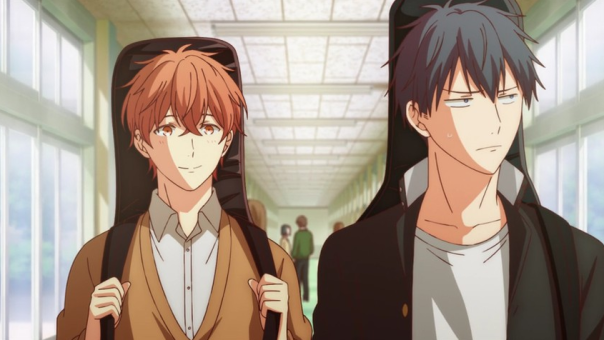
mafuyu and uenoyama hallway.PNG

Mafuyu. Oh lost little Mafuyu. Cute little Mafuyu. This kid really does resemble a puppy, no lie! Introverted, quiet, and reserved, Mafuyu is on a quest to reconnect with a person from his past, unbeknownst to any of his new band mates. He’s never picked up an instrument before, yet seems to have a talent for singing. This secret agenda AND hidden talent of his are what guide him to Uenoyama and the band. Little does he know that through their mutual love for music, Mafuyu’s past is dragged out into the open and exposed—but also cared for and carried together with his newfound friends. While I personally found the plot spinning him in some moments that were a bit too melodramatic, I still like Mafuyu a lot, even if he isn’t the one I identify with most.

Haruki and Akihiko, bassist and drummer, are the other pairing in this story. While doomed with an obsessive, unrequited love, Haruki secretly fawns over Akihiko, even if the guy’s a big musclehead. It’s unfortunate that Akihiko just might already have a partner, but manbun can’t help himself anyway. The way Akihiko sleeps, the way Akihiko compliments him in practice—Haruki just can’t get enough. But as the band’s “leader,” he is torn between resisting his urges and pursuing his own happiness in love, despite this directly violating his philosophy that relationships between band members just doesn’t work out in the long run.

haruki and akihiko.PNG

More of Haruki and Akihiko’s relationship will be explored in the 2020 Given film, but I really like these two dorks a lot (especially manbun) and how they make the effort to support one another and their band mates. Such bros.

Iridescence in Motion

Lerche really is my favorite animation studio, without a doubt. Given boasts a visually bright style to highlight the beauty of youth and the joys of love in this series about those two very concepts. While the screen is light and colorful nearly all the time, we see color drain as winter sets in towards the end of the series—the pivotal climax where potential heartbreak lies. I use the term iridescence because, like emotions, these luminous yellow, tangerine, and turquoise filters shift when we see the same set from a different angle. It’s clean. And it’s aesthetically pleasing.

mafuyu sings to uenoyama.PNG

Giving new meaning to the phrase “lighting design,” Hikaru Yamaguchi’s strong direction really shines in both the intense moments and those of tranquility or thoughtfulness. And the attention to detail in the instruments is NUTS, not to mention the studio painting a timeless picture of modern day Tokyo. The guitars, amps, and drums look AND sound incredibly authentic, and the detailed city backgrounds are delicately crafted with architecture that mirrors real life Shibuya and Machida, down to the last little street sign and business advertisement. Lerche makes anime reality look even better than REAL life in this beautifully made series.

mafuyu guitar.PNG

Character designs also glow with this attractive and cute aura while maintaining respective ages. (It’s nice to see college dudes that LOOK like college dudes and not 40-year-old men!) Speaking of characters, I don’t really give shoutouts to seiyuus unless they particularly stand out to me, but wow, here we’ve got four fantastic leads! Shougo Yano brings to Mafuyu a high-pitched innocence that has made characters (and fans) fall for his charm left and right. Yuuma Uchida gives Uenoyama a grumpiness and stubbornness that suits his character so very well. Masatomo Nakazawa makes hearts swoon as Haruki, and I just adore his sass whenever Akihiko requests something of him. And none other than Takuya Eguchi brings this lovable lug to life, perfectly capturing Akihiko’s serious and goofy sides.

got the flashdrive.PNG

A music anime has to have good music in it, obviously, and Given does not disappoint. Michiru provides a musical score full of chill blues guitar, casual jam session rifts, and delicate melodies to make any grown man cry. My favorite piece of music from the show is the energetic yet wistful OP “Kizuato” by Centimilimental. Mafuyu’s VA sings for us the tender ED, “Marutsuke,” which appropriately features animation of a puppy rolling around during the theme. Mafuyu also gets his own little song that I won’t spoil for you, so all-in-all, you’re in for a real treat with the music this time around!

A Given from the Start

Is it okay to be happy when you know someone you loved had to suffer for it? The answer, of course, is yes. So long as we are alive, we will always have the chance to be happy. What matters most is whether you are able to accept what has passed and move on for yourself. That’s what Mafuyu has to find out for himself; Uenoyama just nudges in the right direction, and even gives him happiness in the present.

Having watched the series, there’s still lots I want to know about. What happens to the characters from here? Does the band go on to perform more concerts? Does Uenoyama still write music for Mafuyu to sing? For now, however, this is a strong step forward for BL anime, and incredible representation for the genre as a whole.

I like music anime, great romance stories, and studio Lerche. Perhaps it was a given from the start that I’d love this show, but the series has proven that if you surround yourself with positive influences, good things will surely come your way. At times painfully resonant, other times light-hearted and fun, Given will continue to pluck at your heartstrings both throughout each emotional episode and long after the series is over.

mafuyu at the mic 2


Hearts are like guitar strings. They won’t play sound if they’re too loose. You have to wind them up until they’re about to break, and that’s when they become a wave the hit your eardrums. — Ritsuka Uenoyama


Afterword

Yeah, I liked this one a lot. No surprise here, but Given is certified “Caffe Mocha” stuff, and easily one of my favorite titles from 2019. I wonder who will pick up the license for this gem and give it the physical release (and dub!) it deserves. Until then, I’ll keep recommending this title through Crunchyroll—as all of you should be doing! I’m happy the reception for this series was so overwhelmingly positive, but I’d still love to hear your thoughts on Given or this review down in the comments. (Plz, I’m lonely and need someone to love this show with!) Until the next review, this has been

– Takuto, your host

Kino’s Journey: Navigating This Beautiful World | OWLS “Technology”

Chances are that if you were linked here from another blogger pal, then you might be new. To those first-timers, “Hi, I’m Takuto, welcome to my anime cafe!” For the OWLS blog tour’s seventh monthly topic of 2019, “Technology,” I decided to go with a slightly less-than-obvious choice, the incredibly profound yet humble Kino’s Journey (2017). Odd pick, right? Just wait, I think I can make it work!

For this month’s topic, we will be discussing how technology impacts our relationships with others and how it improves our lives (such as in communication, education, etc.) by exploring the technology used in various anime and pop culture worlds.

A simple prompt, but an exciting one nonetheless. Thank you Lyn and Aria!

kino riding.jpg


A brief discussion of the 12-episode fall 2017 anime “Kino’s Journey -the Beautiful World- the Animated Series,” animated by Lerche, directed by Tomohisa Taguchi, and based on the light novel series of the same name by Keiichi Sigsawa.

From Country to Country

Three days, two nights. No more, no less. That is the only rule Kino made for herself before she set out on her talking motorcycle, Hermes. Whenever the 15-year-old feels bogged down by heavy thoughts or unpleasant memories, she travels. For Kino, few things in life can compare to the joy that comes with exploring the wild yet wonderful world around her, as well as understanding the diverse ways in which people live.

But don’t let Kino’s cute, slightly androgynous appearance and courteous demeanor fool you: Kino isn’t afraid to kill if it means protecting herself or Hermes. A diplomat, sure, but a pushover—hardly. If she needs to kill, she won’t hesitate. Otherwise, Kino ekes out a peaceful life of traversing foreign lands with her best friend and loyal partner.

Sprawling cityscapes and vast countrysides, mountain villages and tiny valley towns, grassy prairies and open seas—Kino and Hermes are here for all of it. As these partners in crime encounter new people and learn the rules of their *often quirky* civilizations, they grow to find out more about their own values and virtues. But as Kino immerses herself more deeply in discovering the world around her, she also finds herself facing dangers that linger within the beauty of the great unknown.

kino gun.jpg

The World is Eccentric

Countries that roam atop the plains using caterpillar tracks, others that float in great ships on the open seas. Countries that reside within enormous walls, and others that are located deep within the earth. Countries of unimaginable size, others so small they might as well be cults. No two countries look nor feel alike, making each stop one full of intrigue and curiosity.

From cryptic laws to hysterical citizens, the written or mutually understood way of life for a country is almost always shrouded in mystery. Either for its dark history or doomed future, these eccentric countries operate with irrational decisions, or a mindset that is far too rational to make any practical sense. Some countries are understandable (if not a bit extreme), while many are frustrating and deeply flawed. Kino’s Journey is a fun watch, don’t get me wrong. But to say it isn’t hella weird at times would be far from the truth.

If things sound too good to be true, it’s because they are. And if the country feels too dystopian, there’s ought to be a silver lining in it somewhere that Kino can find. She wields only her her guns and her wits as she travels, yet on her shoulders is a level head and an open mind that is truly one of a kind. If we were following anyone besides Kino, the journey—and all of its crazy tales—would be drastically different. I suppose that’s why it’s Kino’s Journey, not anyone else’s.

kino birds.jpg


Every country, just like every man, causes some degree of bother to others merely by existing, yet we all must carry on. — Public Servant from the Bothersome Country


Friendship Comes in Many Forms

Through her splendid little motorrad, Kino explores the beautiful world around here, all its happiness and wickedness alike. Hermes and Kino keep each other company like no one else could for the other. They are not the standard traveler, but exceptions to the rule. Rather than seek fame and fortune, Kino and Hermes yearn for psychological satisfaction. They talk not of grandeur, but of philosophy around the campfire. Seeking what cannot be seen, Kino takes delight in everything the journey has to offer, sorrows and hardships included, and Hermes is a huge part of her willingness to keep exploring. Exactly half of it, in fact.

A loyal, sentient motorcycle, Hermes, allows Kino to deeply connect with the many lands and peoples along her journey without a destination. And this very motorrad is the technology which I’m spotlighting in this post.

kino sunset.png

One thing I love about the world of Kino’s Journey is the acceptance of technology used by travelers. Even though it’d be the first point to bring up by you or myself, no one seems to have questions or qualms about the talking motorcycle. Weird, right? Regardless of whether they hail from proud medieval villages or urban metropolises, the people of any given land posses neither curiosity nor despise for Hermes. He just exists along with his traveler, and thus saves Kino from having to continuously explain Hermes’ unusual sentience, which would get quite old within just a couple episodes.

The more I got to thinking, I started to realize that the internet is my Hermes that connects me to all of you. I have seen so many sights, heard so many sounds, and felt so many stories just through the power of the internet. And in the process, I found friends, too, much as Kino did in Hermes. To a traveler, the motorrad is literally a vehicle for communication and connection, and also an unlikely friend.

kino and hermes.jpg

How Technology Connects Us

Technology only works if you try to work with it, as we see in Hermes’ relationship with Kino and all the unique, technologically developed civilizations they encounter. Much like people, some countries are outwardly hostile, while others welcome travelers with outstretched arms instead. Regardless of their attitude towards outsiders, each country uses almost radically different forms of technology. From medieval pitchforks and knives, to guns and ammo of the Wild West, and even robots from the far future, technology has found itself embedded in humanity’s existence.

Some people are protected by technology. Others are haunted by it. Some use it to connect with people and society, while others use it to live peaceful, solitary lives. Kino comes across many stories of horror and hope alike, but technology is almost always somehow involved. Above all, what Kino learns from these tales is that people leave technology behind—or worse, are left behind by it.

kino driving away

The metaphor I’m trying to make is a simple one: Hermes connects Kino to the world just as the internet connects me to all of you colorful people. Even if I come across sadness or heartache through my internet explorations, there’s always positivity and kindness to be found as well. I’ve been able to learn about so many real-world countries, real-world customs and cultures that would’ve been impossible otherwise (or at least not as easily accessible).

Blogging, social networking, and even just browsing the internet in general has transformed me into a person who knows of what the world outside is like, and as a direct result, I’ve learned how to broaden my horizons and accept and appreciate diversity of all things in life. Hermes takes Kino to unimaginable lands and their people, and the internet brings me to all of you.

kino smiling.jpg


A pact is an agreement to help each other out a bit. As long as I handle the balance, keep him fueled, and plot our destination, he’ll give me all the speed I could ask for. And with that, travel gets a lot easier, also more fun. — Kino


A Traveler’s Tale

Kino’s Journey (2017), like its 2003 “predecessor,” employs the time-honored motif of the road trip as a vehicle for self-discovery and universal truth. Deeply meditative, thought-provoking, imaginative, and sometimes disturbing, Kino’s journey is told in an episodic style with an emphasis on atmosphere rather than action or plot, though still present.

Each country has its own customs, some of them strange, some interesting. And just as how every place has a story, every story most certainly has a place. All who travel leave their mark behind, and I’m talking about more than just the tire treads of Hermes’ wheels in the mud.

kino at the gate.jpg

Unlike the loud excitement of a road-trip adventure, Kino’s Journey delights in the philosophical banter between two very old, quiet souls. In this wacky and weird world, technology allows Kino and her best friend to expand their knowledge of the world, but also learn a thing or two about one another and themselves along their journey. Their meandering through various lands bring with them their own challenges of how to connect with a place’s people.

A series of vignettes, a collection of stories. Some “tales from the wise” are nice, others less so. But all of them are fascinating in their own way. Human decency, empathy, respect—these are all qualities people from different lands define in different ways. And that is fine.

Often, the problems Kino encounters with Hermes are not with law or culture, but with people. Where there are people, there will always be problems—that much is inevitable. But when we can accept one another’s differences and see the order in the world, the world itself becomes much easier to live in. A bothersome world, sure, but a beautiful one nevertheless.

kino sleeping.jpg


I’m not sure if this world is beautiful, but it sure is big. — Hermes


Afterword

I could’ve easily have picked Evangelion given both how central technology is at the story’s core and that I’m almost finished with my rewatch of the series on Netflix. But I didn’t, as that would’ve been too easy, not to mention obvious. I like picking more unique titles for these OWLS tour posts, and I hope I was able to do Kino’s Journey justice. By the way, the series is a “Cake” title here at the cafe!

There’s so much depth to this title, both the old one and the new one, and I hope that, if you’re ever needing a quiet escape journey, you’ll take Hermes for a spin with either the 2003 or 2017 adaptation. The latest remake is beautiful on the outside and adapts previously untouched chapters from the novel, while the early 2000s version uses storytelling methods and imagery that transcend the outdated visuals. My opinion? Watch them both! More Kino is a good thing, after all!

Speaking of beautiful, I didn’t even mention how just draw-droppingly gorgeous Lerche’s visuals are. Along with A Lull in the Sea and the works of Makoto Shinkai, I truly believe that Kino’s Journey (2017) features some of the most colorful, alluring, and enchanting landscapes anime has ever seen! Plus, Kino’s new character design is just fantastic, a charming look fit perfectly for our titular traveler!

kino flower bed.jpg

This concludes my July 7th entry in the OWLS “Technology” blog tour. Jack (Animated Observations) went right before me with a post on Psycho-Pass, a textbook pick for this tour and one of my favorite anime that you can read right here. Now, look out for Lyn (Just Something About LynLyn) with a post on one of my favorite films ever, the world famous your name.tomorrow, July 14th! Thank you so much for reading, and until next time, this has been

– Takuto, your host

The Royal Tutor: A Heartfelt Lesson on Judgement | OWLS “Mentor”

Chances are that if you were linked here from another blogger pal, you might be new to this place. To those first-timers, “Hi, I’m Takuto, and welcome to my anime cafe!” As part of the OWLS blog tour’s seventh monthly topic for 2018, “Mentor,” I wanted to broaden my horizons into the shoujo genre like I did last month . . . only to find out while writing this that The Royal Tutor is somehow labeled under the shounen catageory. Still, I enjoyed the efforts of Grannzreich’s latest royal tutor as he set out to shape up the country’s four princes into well-rounded individuals fit for the crown. How exactly he accomplished such a daunting task is what makes him a perfect fit for this month’s topic!

Throughout our lives, we might have encountered someone that we admired as a role model or has guided us in some life dilemma. This mentor could be a teacher at school, a coach, a boss or team leader at work, or a family friend. Whoever it is, that person impacted your life in a positive manner. For this month’s OWLS topic, we will be writing about mentors or mentorships in anime and other pop culture media. Some topics we will be exploring include how a mentorship impacted a main character’s life, the types of mentor relationships a person could have, and/or personal stories about mentors or mentorships.

I had only recently crossed paths with The Royal Tutor, so it’s exciting to freshen up my palette with something I would normally not have watched. Thanks Z and Lyn for the prompt!

chibi.png


A brief spoiler-free discussion on the 12-episode spring 2017 anime “The Royal Tutor,” animated by Bridge, directed by Katsuya Kikuchi, and based on Higasa Akai’s manga of the same name. 

The Royal Court Requests Your Presence

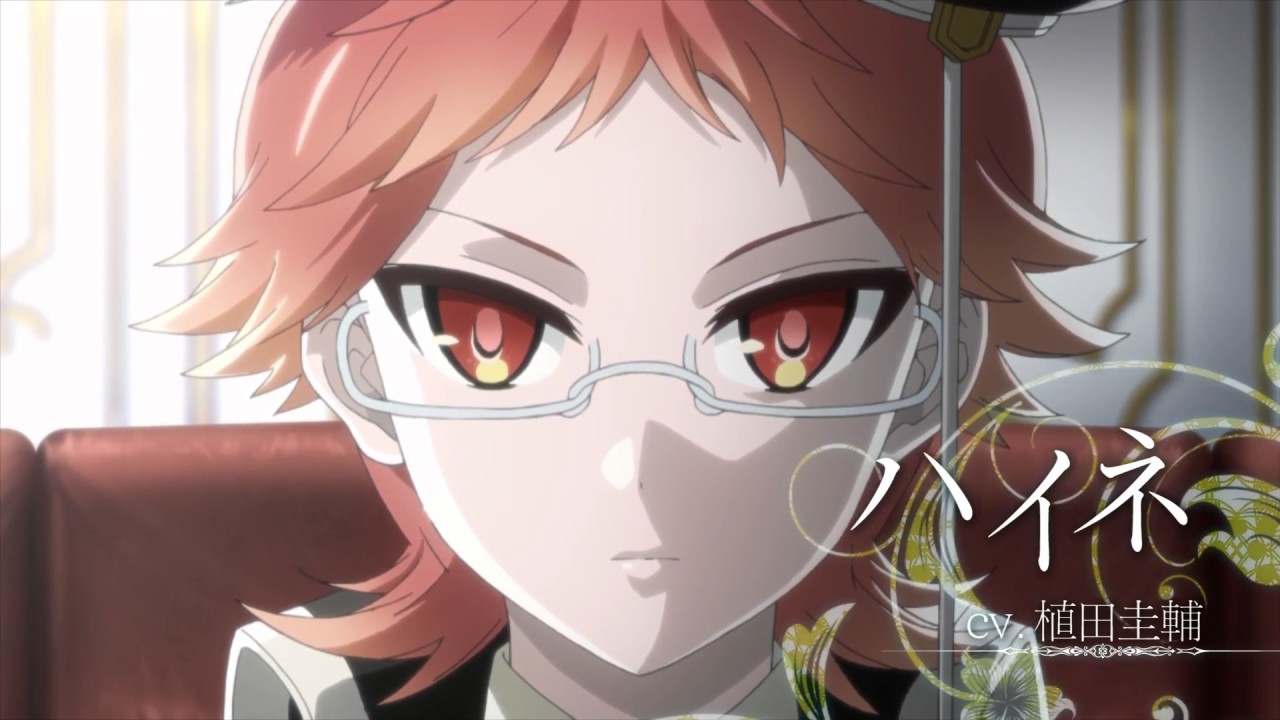
The King of Grannzreich currently fathers five sons, four of which in desperate need of tutelage should they need to assume the throne. There’s Licht, the flirtatious, most free-spirited, and youngest prince; his dimwitted, hotheaded older brother Leonhard; Bruno the studious yet close-minded third prince; and Kai, the most reserved and oldest of the four with a RBF so intense that he scares even his hand-servants away. All of them want the throne, badly, but their collective inability to overcome their individual shortcomings prevents them from receiving their father’s approval.

After having many tutors come and gone—all deemed failures either because they ran out or were run out of the palace by the princes themselves—the king turned to an old acquaintance, the equally charming and austere Heine Wittgenstein, for the massive and intimidating undertaking of properly educating his sons. But as it happens in the royal family, the apple doesn’t fall too far from the tree, and Heine finds dark memories of his past resurfacing in the present. Nothing shalt shake the brilliant Heine Wittgenstein, however, for despite his incredibly short, childlike stature, the new royal tutor’s ability to command respect and diligence from all of his pupils is the exact reason King Victor von Grannzreich hired him in the first place.
heine.jpg

Educating royalty might not sound like a very interesting concept for some, but with comedy as the main genre The Royal Tutor is tossed into, one can only imagine the hilarity that ensues when a tiny teacher cracks a whip on a spoiled, blond-haired twat for not knowing what 2 + 2 is. After the four princes are forced to understand that Heine is NOT going to give up on them, episode by episode, the royal tutor works one-on-one with their majesties. While some princes are easier to coerce than others, Heine remains determined to give them each the same amount of time together. This establishes a mutual respect boundary between teacher and student, as well as fellow students (or in this case, brothers).

In their private lessons, Heine systematically pulls the princes to their lowest lows, never failing to offer fascinating and invaluable advice on the human spirit. Heine, simply put, is an inspiration to the boys. Slowly but surely, the Grannzreich princes warm up to Heine, and as the royal family’s name continues to face false accusations and scandalizations via some shady wealthy individuals in the kingdom, the princes must come to Heine’s aid in turn to protect not only his name but their own. From beginning to end, the plot offers a pleasant ride which nicely works in serious moments of character growth (the show’s most noteworthy feature) and the slapstick, slice-of-life comedy in all its chibified glory.

Such wonderful balance could only be obtained in a show like Ouran High School Host Club—And in fact, between the on-par voice acting and similar art style, I’d go so far as to call this anime Ouran‘s spiritual successor! Trust me, there’s a high chance that if you liked that ritzy ditzy cast, you’ll definitely *KISS KISS* fall in love with this one too!!

twinkle twinkle.jpeg

Teacher and Student

While I’d like to say the series’s “best boy” is Heine himself, until the very end, he mostly acts as a device to push other characters toward development. Even after everything’s said and done, we only know a bit about his childhood, and that he’s been the leader type since. He’s also strict, but true to his word; credit is given only where credit is due. Though pint-sized, Heine is still a moving, breathing source of inspiration, and if his grand speech in the finale episode, “The Last Lesson,” didn’t move you to tears, I’m honestly not sure what will. Having watched Funimation’s English dub, I can confirm that this is both one of Micah Solusod’s funniest characters (what with the hilariously low register for such a lil’ fella) and, despite Heine’s apathetic yet articulate tone, most poignant, eloquent roles.

The same glowing things could be said about the rest of the cast. I love the spoiled Licht’s endeavor to try living a humble life, as well as his charisma and resistance on not letting being the youngest hold him back. Not gonna lie, VA Stephen Sanders has a weird voice, but it fits Licht’s flashier side well enough. Fourth prince Leonhard struggles wanting to study hard to be like his brothers, to which I’m sure we can all relate. Leo’s whiny, bratty personality but inner goodwill can be felt thanks to Alejandro Saab’s great (and very high-pitched, wow) voice acting.

Third prince Bruno was the real surprise, as I normally don’t care for the megane characters. But here we are, with the studious and esteemed Bruno as best boy, and VA Christopher Wehkamp as the one who brought this Heine fanboy to life. Lastly, second prince Kai is, well, Kai. Rumored to be violent, but actually has hands gentler and more caring than all in the land. For all those low, billowing grunts and one-liners, Daman Mills gets the job done.
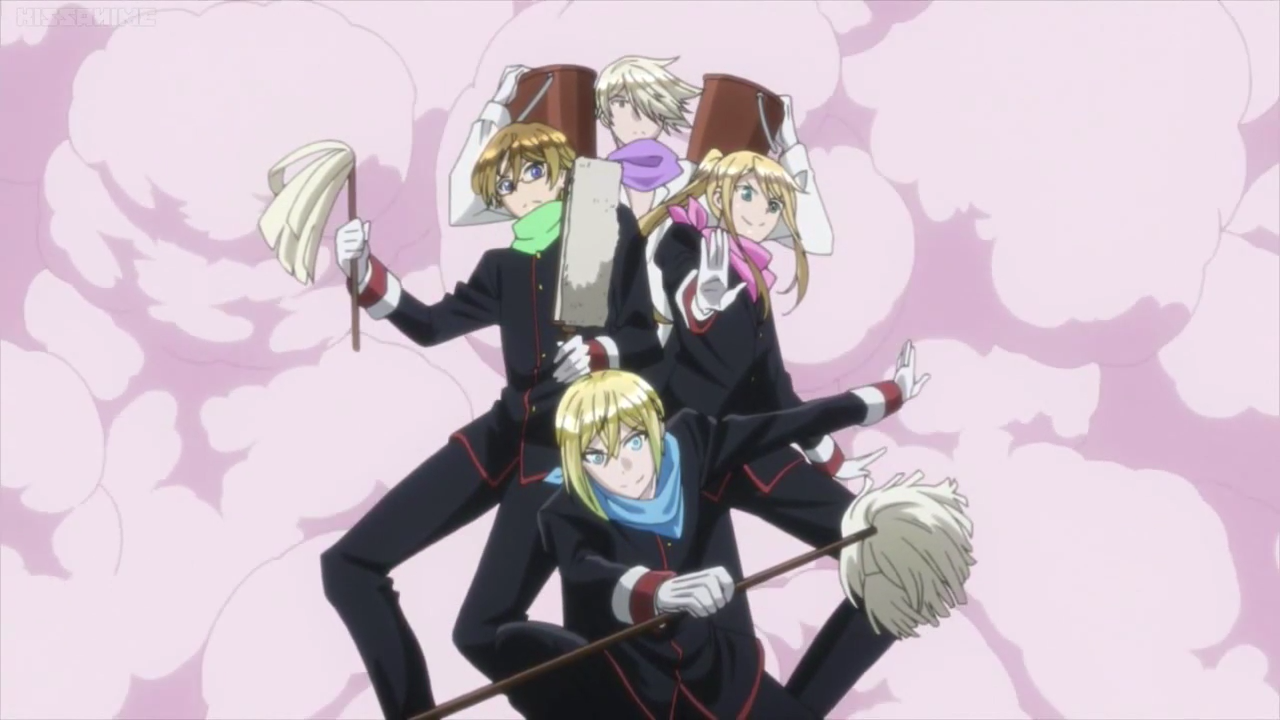
time to clean.png

Genius vs. the fruits of hard work; personal enjoyment and satisfaction vs. maintaining one’s line to the thrown. As a prince in the line of succession, such sacrifices are bound to be made. But with knowing that they likely won’t become king because their eldest brother, the elusive first prince, is already the perfect candidate, does sacred duty really come before broadening horizons outside the palace? That’s what Heine is here to mentor us and the four princes through, and it is for that reason that I thoroughly enjoyed this series of personal conflicts and inferiority complexes galore.

Adding Charm with a Splash of Color

Briefly, I wanted to mention the beautiful animation by Bridge, a studio that hasn’t done too much beyond helping with Fairy Tail (2014) and a couple game-to-anime adaptations. First, Heine’s dud mode, and how The Royal Tutor switches between chibified comedy and serious bishounens with incredible ease! Next, the unique lighting, something which I guarantee not many mention. While most anime define shadows as darker hues of the same color or just with a flat gray color, studio Bridge highlights skin and clothes with blues, reds, pinks, oranges, whatever the color depending on how light would logically reflect on brightly colored interior palace walls and long, draping curtains. The boys already had glittery eyes and pretty ombre blends in their hair, and this added color gave the anime additional charm, not that it needed it. The highlights match wonderfully with the innate palace couches, gold leaf embellishments, and stunning wall and carpet patterns. Bridge has absolutely convinced me that these men do, in fact, live the royal life.
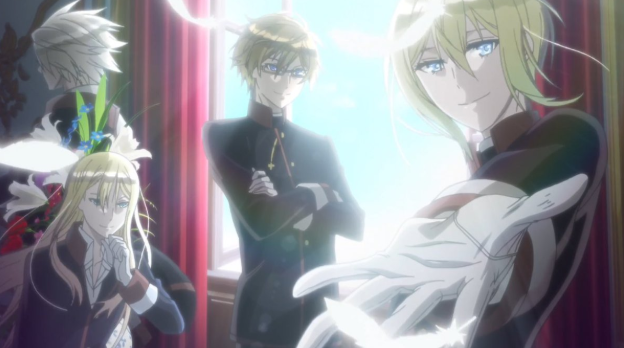
four princes f

Also lovely is the light piano music that can be felt during the tender moments. Keiji Inai’s (DanMachi) whole soundtrack, in fact, feels inspired by classical music, another nod to this literally being Host Club‘s spiritual successor. Fanciful, flowing, and grand—a perfect fit for our princes!

Heine’s Lessons & Learning How to be Human

At the end of each day, Heine Wittgenstein offers a brilliant and breathtaking lesson on the human spirit. So what better for an OWLS “Mentor” post than to showcase the words of the wise straight from the royal tutor’s mouth!
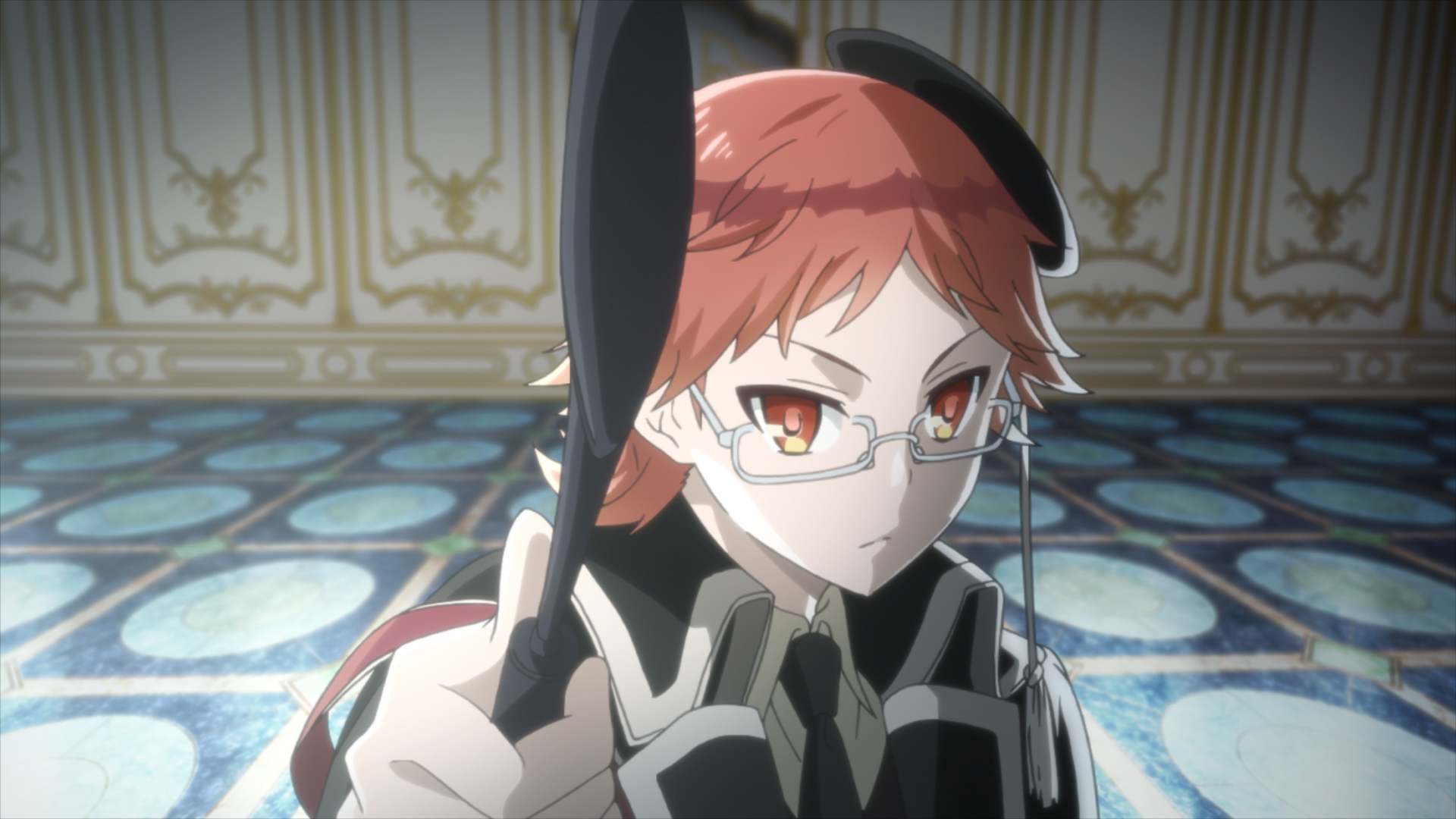
time for a lesson.jpeg


Licht’s devilish charm and desire to entertain his lady-friends constantly pushes him to lead two separate lives. Thus, Heine teaches him about the duality of man, and how he can be both a prince and a gentleman so long as he learns to prioritize his own safety.

Always remember, before quitting something you want to do, you should always explore alternative solutions.


A king must lead with compassion without discrimination. He must be one who always hears his people, no matter the circumstance, as well as want everyone to follow their ambitions and enjoy their freedom.
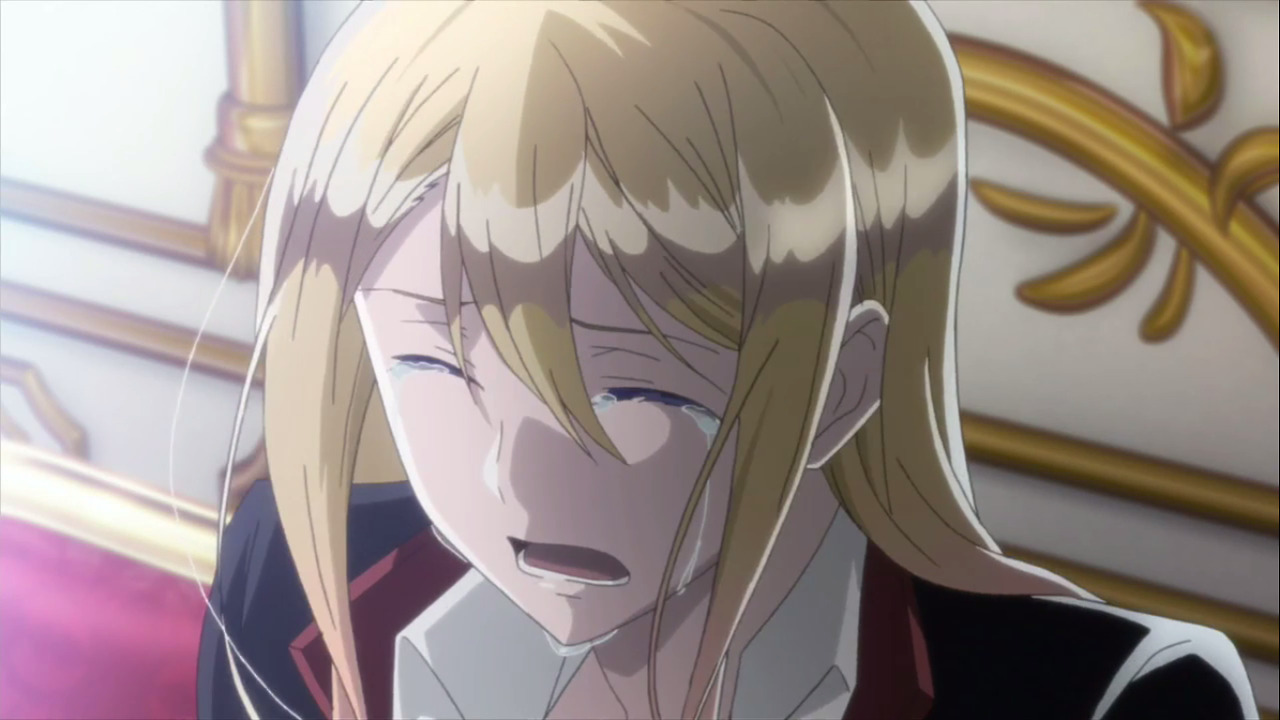
Image result for The Royal Tutor

Leonhard always stumbles where intellect is concerned, but makes up for this shortcoming with mad athletic skills. He holds himself to a higher standard because of his inability to learn new subjects, and flees when things get rough. As a result, Heine puts Leo through test after test, threatening him with the separation of teacher and student, friend and friend, as the ultimate motivator to learn.

Those who recognize their own vulnerability can grow to be stouthearted souls who are kind and sensitive to the pain of other people. Running away may seem like a solution, but has it ever made your heart feel lighter? Hiding from your problems will not make them go away.


A king must lead with powerful imagination. He should act with compassion, and reach out to people in need. To want to live in a country where we all help each other is an honorable thing indeed.
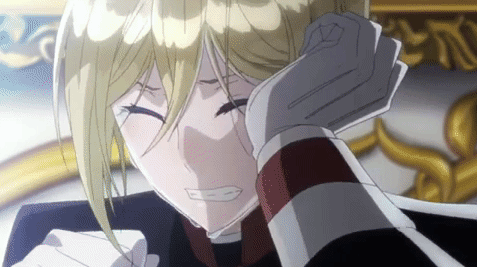
leonhard.PNG

Meanwhile, Bruno is just about as princely as one can get, but he lacks that extra lick of creativity that his brothers possess, forcing him to work harder all the time to overcome this imperfection. Even then, he’s still so smart—any university would be lucky to have a guy like Bruno! Unlike Licht or Leonhard, his options are infinite. Like a master should, Heine remind Bruno that we only get one life, and that we must choose what is best for us.

You only have one life and it’s yours alone, so live it as you please because it’s the only one you’re going to get. 


A king must lead with acumen and expertise. He must possess a wealth of information. There will be a time when people will go down the wrong path, but no mistakes happen–he should believe in second chances, not punishing them for the sins of their past.
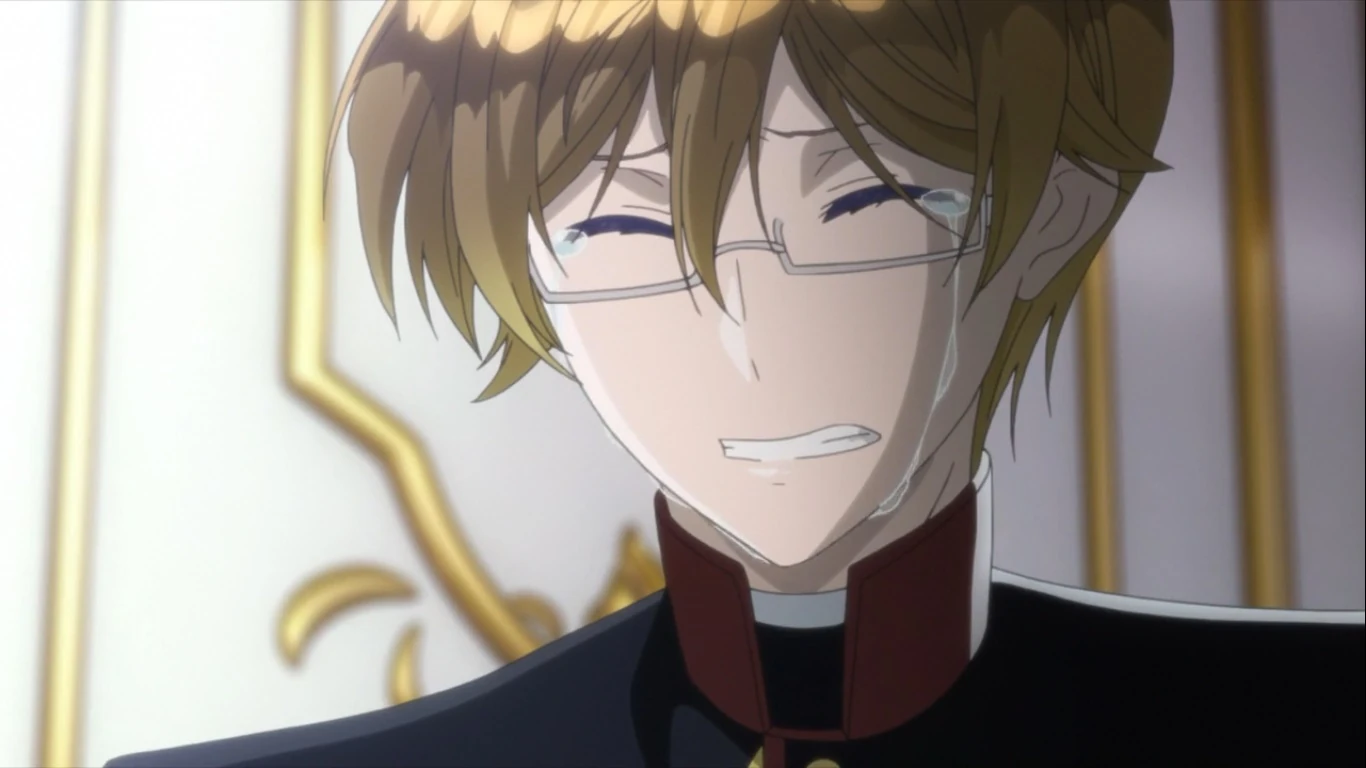
Image result for bruno the royal tutor

Lastly, for the reclusive Prince Kai, Heine tells him of humanity’s kindness, and that, should he express generosity and affection to his subjects, his people will return such warmth in full.

Everyone has a different personality. Some won’t like you no matter how polite you are to them. It’s not all bad. That also means that there are plenty of people who will like you quite a bit. This world is very big. Do not deprive yourself of people who will understand and care for you. 


A king must never surrender his overwhelming heart. The misunderstood should not lose hope, for he shall be a king that all the people will adore. This chronicles the lessons taught by Heine, amongst many more untold.
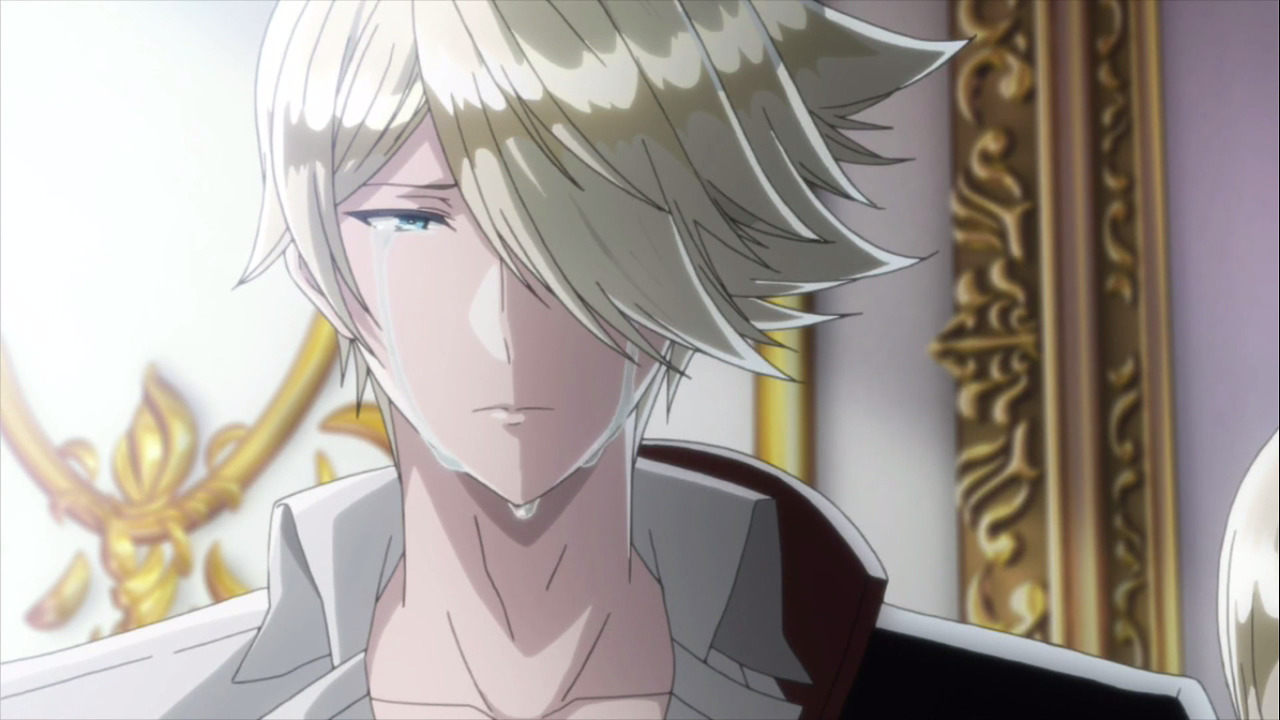
Image result for kai from the royal tutor

A Tutor for All Ages, a Lesson for All Time

Make no mistake, The Royal Tutor is a very fun show. Its comedic timing is great, and its charismatic characters are full of personality. That said, this series also dabbles into several valuable lessons we all take for granted. From beginning to end, The Royal Tutor offers well-rounded, wholesome episodes that are filled to the brim with simple life advice. The boys are pretty, and the fujoshi crowd will love it, but . . . beyond looks, it’s a show about not judging people based on first impressions alone, as well as helping those with needs unlike most others by building a personal relationship with them and helping them grow as potential leaders. If ever you need a pick-me-up, Heine Wittgenstein, the royal tutor, has always got the time for a private lesson with you—just make sure you are prepared to learn.
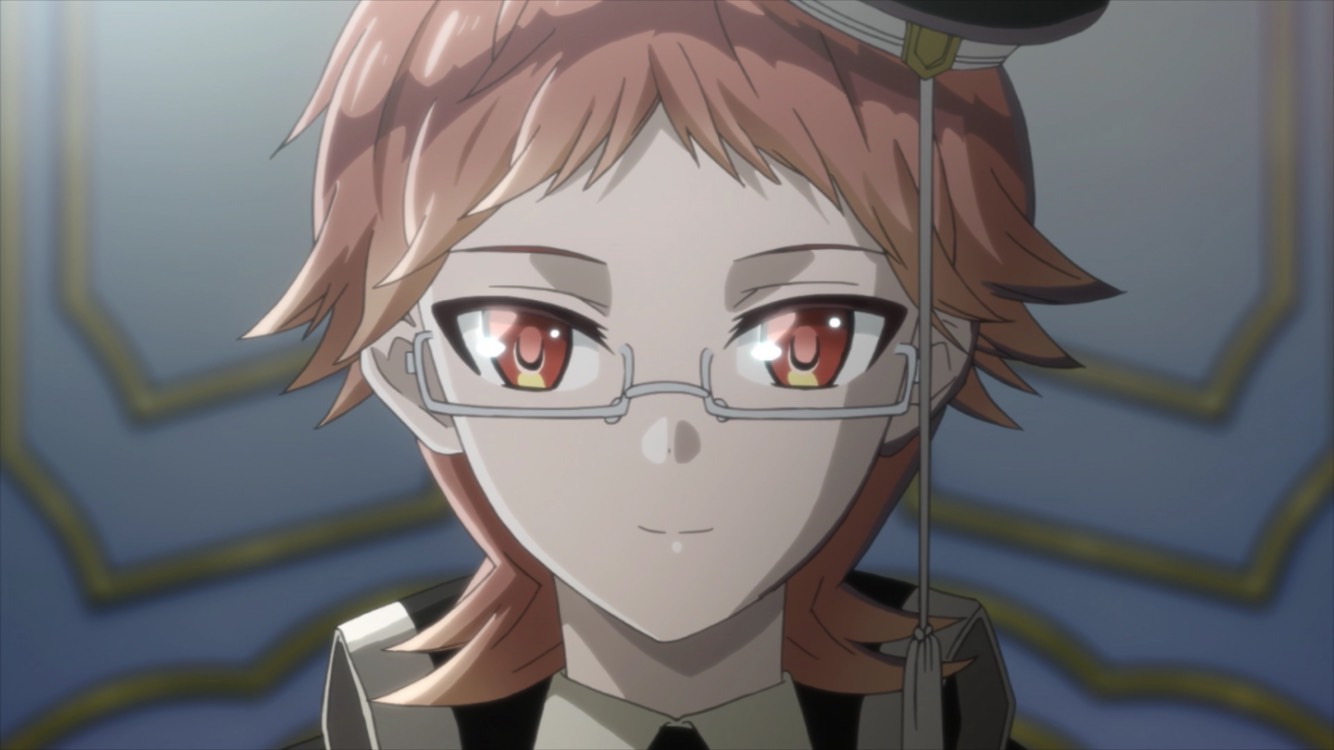
IMG_6013.jpeg

Instead of judging others based on rumors and gossip, I must seek the answers for myself and arrive at my own conclusions. One must never think they know someone after little to no time with them, and so I must begin again. With every fresh start comes a new beginning.—Heine Wittgenstein


Afterword

I came into this show just in time, for a second season of The Royal Tutor was just announced not too long ago! Like Prince Leonhard’s rich and savory sachertorte, I, too, shall award this first season with the “Cake” rating, a show too sweet to miss out on! Have you seen The Royal Tutor? Who’s your favorite prince?? You’ll have to let me know what you thought about the series or this OWLS post in the comments!
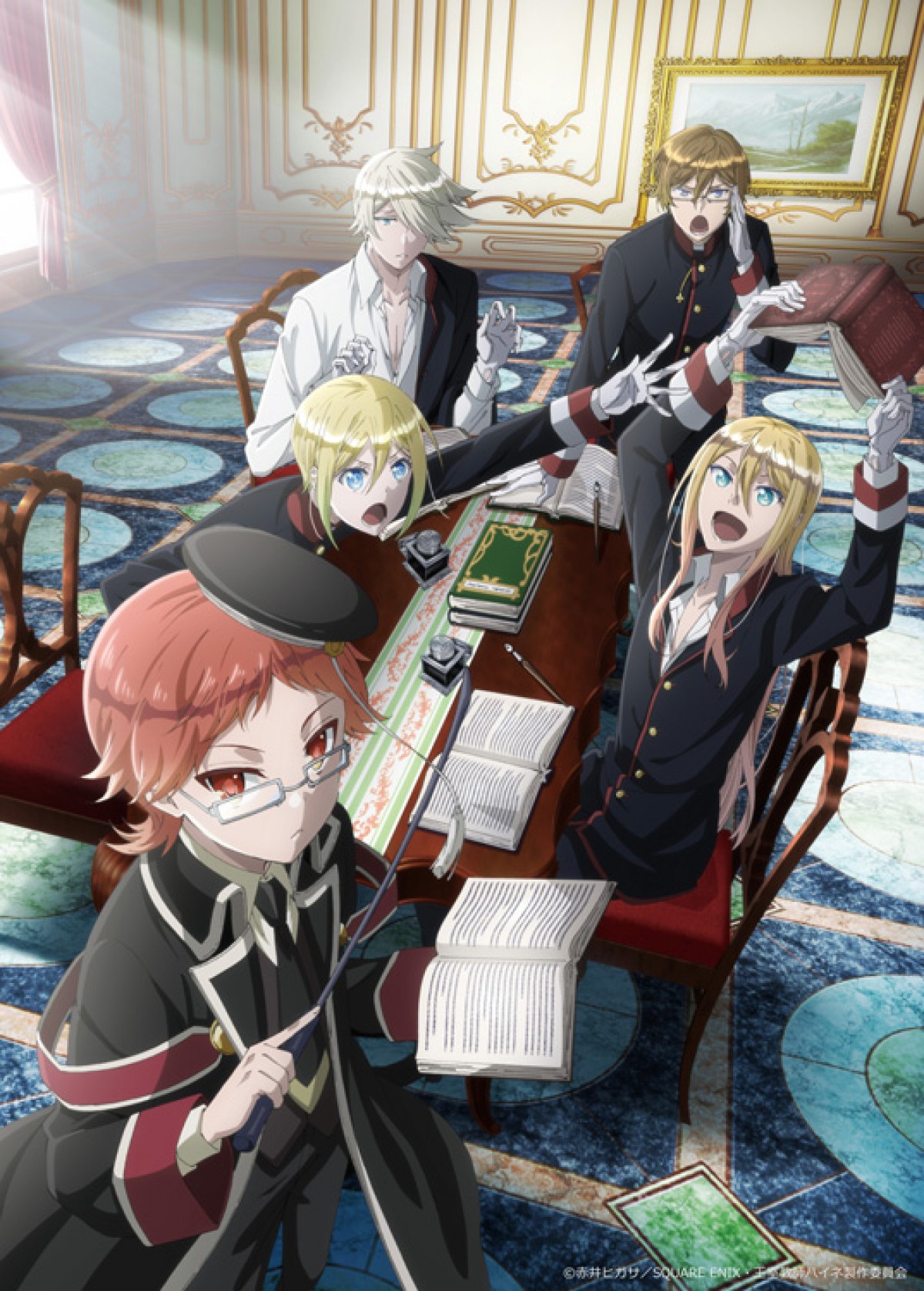
poster.jpg

This concludes my July 24th entry in the OWLS “Mentor” blog tour. Gloria (The Nerdy Girl News) went right before me with a post about learning to live again in The Ancient Magus’ Bride, a series that I really ought to watch! Now, look out for blogger buddy Hazel (Archi-Anime) with a post on Ace of Diamond, a sports anime that I’ve also been longing to watch, tomorrow, July 25th (it’s also her birthday, so give her a shoutout)! Thanks for reading such a long post, and until next time, this has been
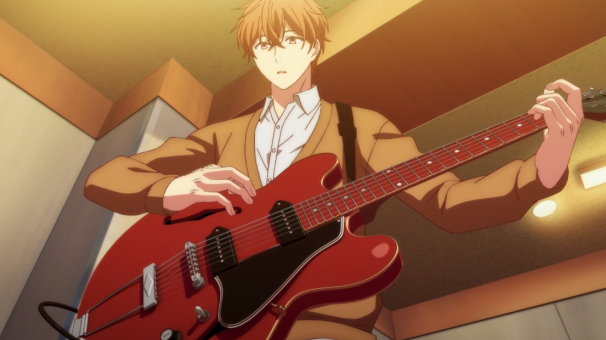
– Takuto, your host