Diving Back In! A Lull in the Sea Premium Edition Unboxing

Hey café-goers, today we’ve got a little something special to take a look at! To be exact, this is NIS America’s Premium Edition release of Nagi no Asukara or A Lull in the Sea. With its steep price (which I’ll cover later), I have been skeptical on picking this up since before they even released it–In fact, you could say that this set is what pushed me to watch the sub on Crunchyroll! I consider this one of my top 15 anime (cause 10 just won’t do), and finally having it in my collection is a milestone achievement. Because I couldn’t just settle for the DVD version I bought a while ago, let’s dive back into Shioshishio and into my favorite box set of anime that I own!

~As a side note, shout out to LitaKino, the undersea maiden of this blogosphere. This one’s for you, girl!~
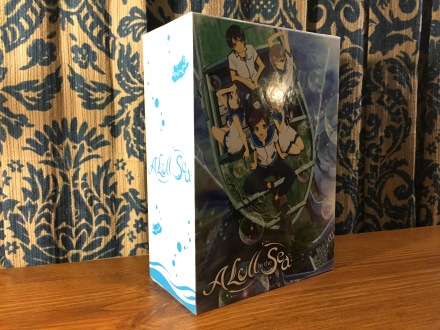
IMG_1278

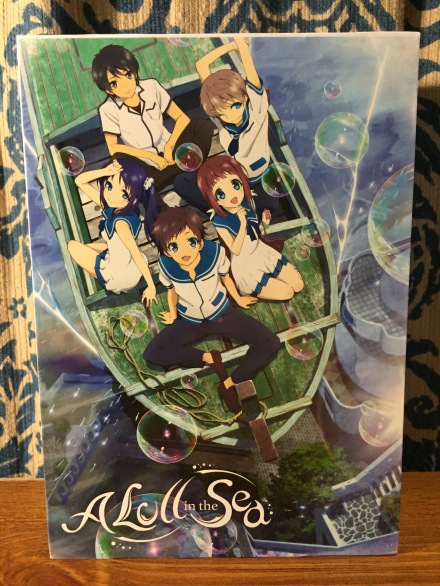
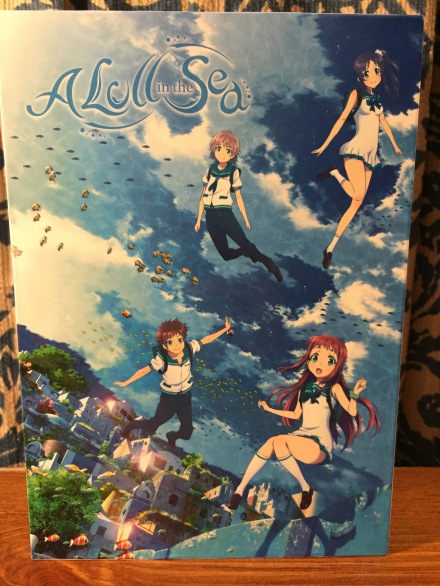
IMG_1281Here is the front featuring the main poster (my favorite pic). The front and back both have a standard gloss texture to them, yet the chipboard is much firmer than any release I’ve ever touched. It’s higher quality than FUNimation Entertainment’s ‘limited edition’ boxes, and I dare say it’s better than Aniplex of America’s sets.
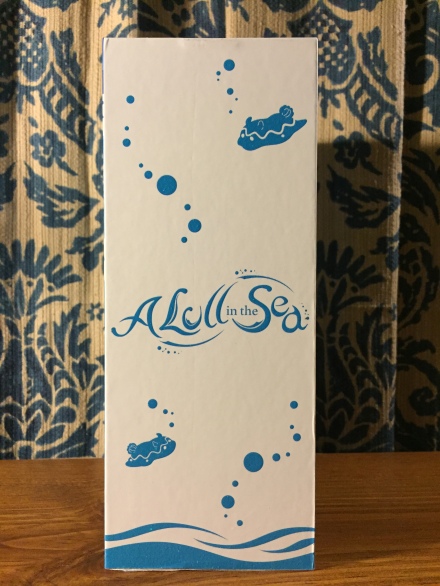
IMG_1279

Now, you’re all probably eyeing that attractively themed spine, which shows the English logo and decorative bubbles and swirls that line many of the walls in Shioshishio and Oshiooshi. That attention to detail makes this not only a creative set, but one with actual designs from the show instead of plain color patterns companies usually make. My favorite part would have to be the little sea slugs (they play a role in the show), aww, so cute! To complete the design, all of the blue parts are actually slightly raised and have this glittery shine and texture to them. They don’t show sign of coming off either, which just completes the package.
IMG_1280.JPG

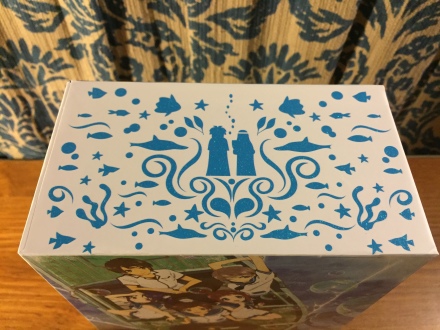
Just like the side, the top features an engaging blue sparkly-textured design. This time, it’s the legend of the Sea God and his wife, which plays a huge role in the series. Again, the attention to detail makes this set not only gorgeous, but the designs hold meaning, too.
IMG_1282

I honestly was not expecting this artwork to be on the back, yet here it was, and now I love it almost as much as the front art! Same glossy texture as the front, and same high-quality printing, too. Love the bold colors of the sea and our ocean kiddos!
IMG_1283

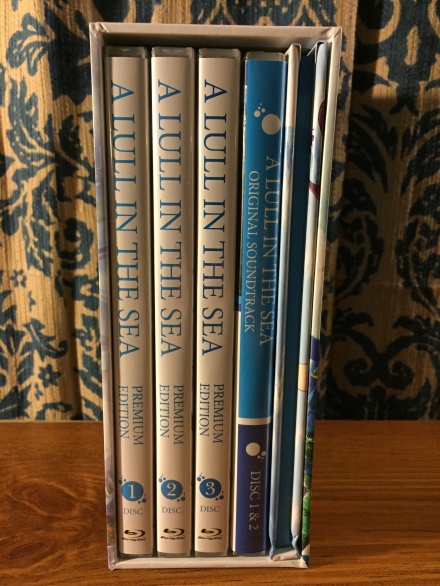
Here is the open side with all of the contents. I’m diggin’ the variety of blues from light to dark. Tired of being teased? Alright, let’s pull out the guts.
IMG_1264

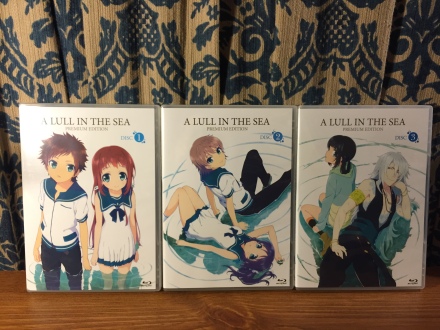
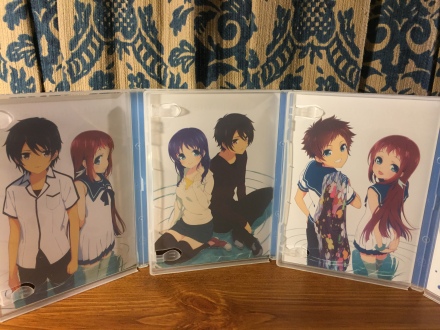
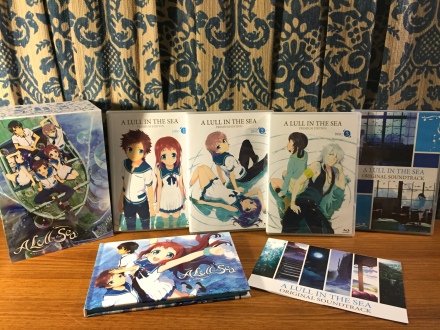
Here are the lovely (yet kinda unnecessary) three DVD-size cases which each house one Blu-ray disc. The episodes are divided evenly, which is a plus. Each case features the main characters, and while I enjoy seeing young Miuna and sleazy Lord Uroko on the third case, I wish we instead got Akari Sakishima, as she plays a huge role in the story (and she’s one of my favorites).
IMG_1266

And here are the insides of each case in the same order. I love their cheeky smiles on the third one and the lovely Chisaki in the middle. More beautiful water color-looking artwork, which I am a huge fan of. Each of the discs feature the same artwork as their respective cover, so I didn’t bother to snap a photo.
IMG_1265

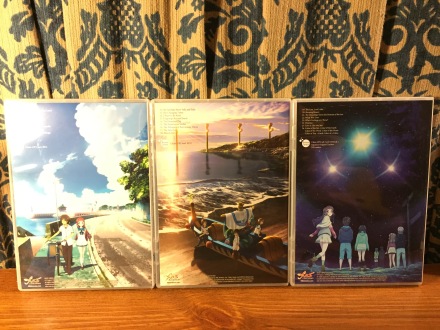
I’m honestly speechless here. Just wow, artwork, wow. As much as the text disturbs the masterpieces printed on each case’s back, I do appreciate the episode and extras listing. That helps me navigate around a lot easier. But yeah, that environment is truly magical.
IMG_1267

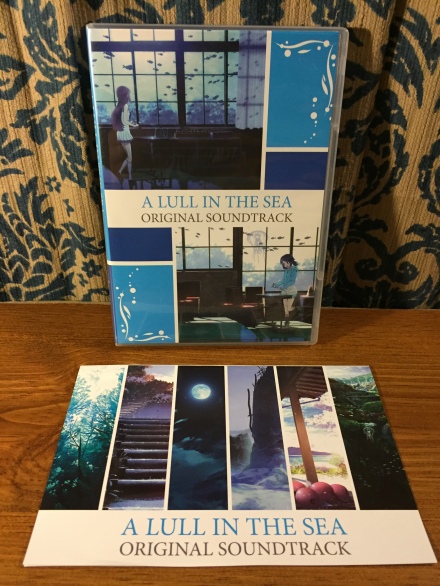
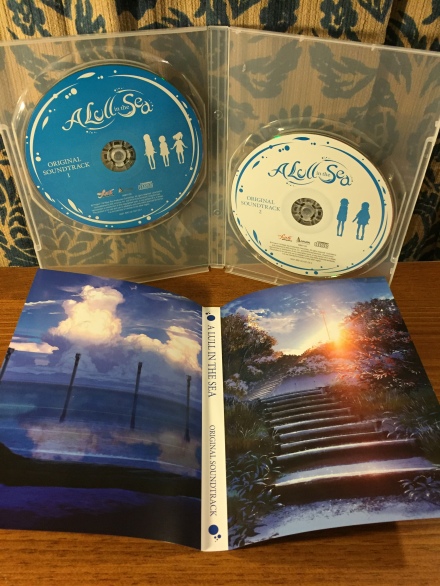
Ooh, now I really love this. Soundtracks one and two are stored in this DVD case which features the Shioshishio school’s music room. Melancholic yet entrancing at the same time, and same goes for the accompanying pamphlet that is decorated in more environmental porn.
IMG_1268

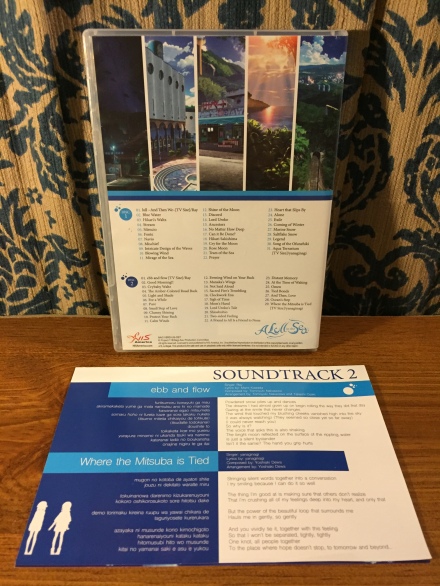
Here’s the backs of each one. Lyrics, song listings, and more environment. Now this takes me back to Nagi-Asu‘s world.
IMG_1269

The discs feature the same design yet with inverted colors. The back of the case paper shows two full-shot scenes, and every time I open up the soundtrack, I’m tempted to flip that paper so I can see the inside more! The soundtrack, by the way, is easily one of my favorites. It’s chill enough to pop in anytime while cleaning, cooking, reading, or just walking around. OPs and EDs are also included, though only the TV cuts of them.
IMG_1270

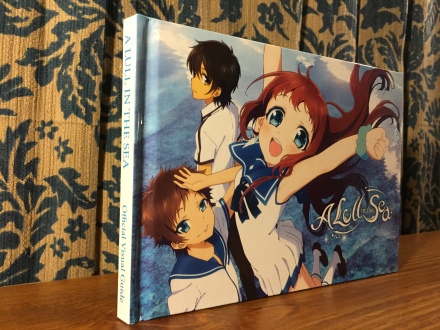
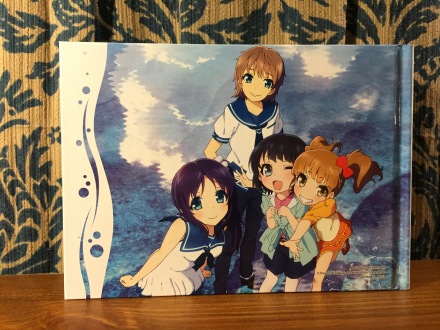
IMG_1271Gah! The artbook! It features the main characters on the front and back, and sports a glossy cover. The binding and horizontal makes the book really easy to open. The fact that it is indeed horizontal puts many other artbooks of mine to shame, especially Sentai’s Chunibyo book. The contents are good, but that other one is a pain in the rear to keep open flat. Wanna know what’s inside?

This slideshow requires JavaScript.

I have it in slideshow version, but the book is loaded with character designs and profiles, episode summaries, commentary with the creators, and environmental porn. Lots, and lots, and lots of pretty visuals of the props, landscape, and setting. I only wish there were more full-paged pictures, but alas, having it all on print is more than enough for me to trip through nostalgia land.
IMG_1350

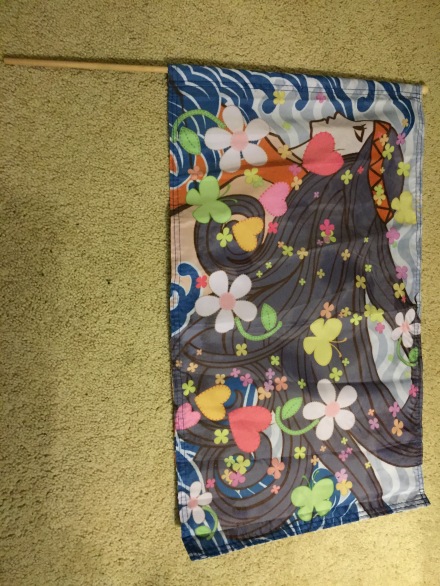
What’s this?! A sideways flag!? If you order from NIS America’s homepage (link at the end), they’ll throw in a smaller replica of the Ofunehiki flag that Hikari held up and Miuna fixed! Isn’t that awesome? And it’s FREE while supplies last!! For the layout, it’s as if they took two flags together and stitched them front to back so that A) it’s double the thickness and B) the design is fullproof on both sides. While I have a barrel of fun waving it around (heavy duty flag material makes it indestructible), you’ll want a nice place to perch it. sadly, the wooden rod that holds it up is a bit too short, but hey, you can always pull it off and hang it/frame it somewhere, right?
IMG_1263

Isn’t this the most gorgeous set you’ve ever seen? But you don’t just have to look at my photos–Purchas your own at NIS America’s site HERE or over on Rightstuf.com HERE if you frequent that place like I do. If you want the awesome flag, do it from NISA (I also didn’t have to pay for shipping because it’s over $75 or tax for some reason). It’s about $144 on NISA and about $153 on Rightstuf.

Now, that’s not a budget for everyone, and I totally get that. Only, and ONLY, purchase this set if you are an absolute fan of the series, and are wanting to rewatch it. This Blu-ray set is regions A and B with English and Japanese audio and all 26 episodes, so none of this Part 1/Part2 bullsh*t. If this anime was only mediocre to you, but you are interested in seeing the dub (which I wholeheartedly recommend, this dub is incredible), try Crunchyroll’s premium service, as they have the dub and sub for their premium members. That, or the DVD versions by NISA, which yes, are Part 1 and Part 2 and only come as regular DVD cases with a mini insert pamphlet. Here’s the dub trailer if you’re mildly interested:

I hope you enjoyed this slight change of pace from the café before I make another huge announcement! I love everything about A Lull in the Sea, and even wrote about it RIGHT HERE if you happened to miss it! I think it’s my most viewed or most liked review. I think. In fact, I met many of my best blogger friends through this show/review, so here’s a big thanks to all of you supporting me and to P.A. Work’s stellar anime and NIS America’s fantastic release of A Lull in the Sea!

My siblings and I just completed this anime as part of our 2016 Summer Movie Theater and absolutely fell in love (for me, it was all over again). You can read about that here! Comment below any questions or thoughts about this set or the show itself. If you feel the need, share it with a friend who happens to love Nagi-Asu like we do (I’d appreciate it ^.^), and until next time, this has been

– Takuto, your host


Loss Has Little Meaning in Yuki Yuna | Hero Week Review

A brief review of the 12-episode fall 2014 anime “Yuki Yuna is a Hero,” produced by Studio Gokumi, based on original story by Takahiro and Makoto Uezu.

For the third segment of Hero Week, I’ll warn you now that this anime is extremely hit or miss, especially if you’re familiar with Madoka Magica. Despite any polarizing comments I make, I’d like to let you know that this happens to be my favorite of the three Hero Week anime I’ve reviewed, regardless that it is indeed the “worst-written one,” should I even have to pick. I found that it had the most to offer, and I have to be critical of it because something that means so much should be sought in full light.

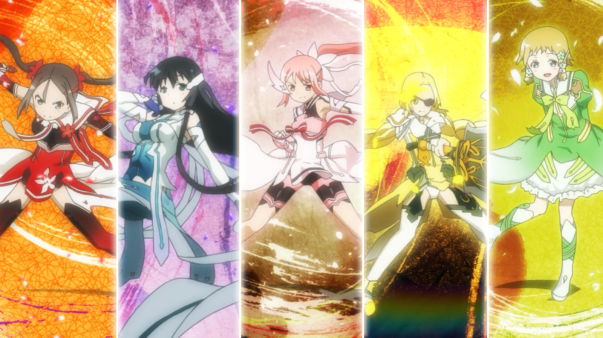
Five middle school girls—Yuuna, Togo, Fu, Itsuki, and Karin—are on a quest to save the world. That is, community service, volunteer work, and puppet shows for local children. It all seems trivial on the outside, but their Hero Club is determined to do good deeds for love, justice, and happiness, goals which are outlined and pursued religiously in the club’s Five Tenets. Such is the sweet and simple life of Yuuki Yuuna.

The club’s charismatic president Fu is living two lives, however, and upon phone call is forced to drag her friends into a mystical realm. There, they are to protect the God of the natural world and human blessing, the Shinju, from strange geometric entities called Vertexes. By the single tap on a phone app, the girls are transformed into the extraordinary heroes they so desired to be. But transcending the realm of God and obtaining unimaginable power comes with a price almost not worth paying.

As the girls fight for their lives and the people they love, their perception of the world dramatically warps into a cruel land of delusional grandeur. In the depressing struggle for power, the girls might have to point their guns at beings besides the Vertexes in order to preserve their very belief of what it means to be a true hero.

One of the biggest problems I had with Yuki Yuna was the lame world building. Had I not read the summary provided by Crunchyroll, I wouldn’t not have noticed that the story is set in the far future—YEAR 300, the Era of the Gods. WHAT, but it looks like modern-day Japan?! I enjoy it when stories have good reasons to break the rules set by the setting, but you can’t rebel against an outline that otherwise doesn’t exist!

My second beef with the anime was the lack of each girl’s unique drive to be a magical girl. They just sort of accepted the role because of the club’s influence. Individual motive is largely what make hero stories interesting and standout, so to have such weak trope characters (besides Fu and Togo) was a huge shame. For instance, what if the wheel-chair-bound Togo wanted to keep fighting because she could walk once again? That’s much more compelling than “I’ll do it because Yuna needs my help.” The way Yuna clings to the club tenets is also a bit cheesy and a weak excuse for ‘development.’

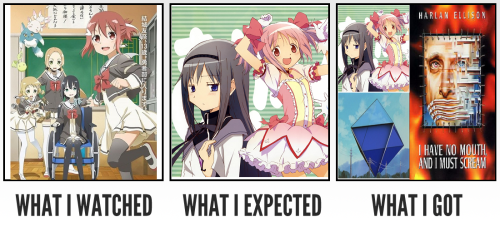
This is obviously less apparent if you are unfamiliar with it, but the last somewhat spoiler-free issue I had were the painfully obvious similarities to Madoka Magica. The magical girl system, character destinies, and dark, depressing themes in the second half all have strong correlation with its critically-acclaimed predecessor. Heck, even the music (which is still really, really good) and the animation sometimes feel like snippets borrowed from Madoka. While it is occasionally disappointing, Yuki Yuna managed to have fun longer than Madoka did, heavily maximizing its slice-of-life side for the earlier parts. And while I wanted darker, more twisted, nastier Madoka narrative, watching those girls have fun was what I needed more.

On a positive note, the animation was surprisingly incredible. The Vertexes themselves are CG, but because they are basically Evangelion angels crossed-over with the zodiac, it all works to create a fantastic off-putting vibe. I also appreciated the vivid color patterns for the Shinju realm and the cool magical girl outfits (Yuuna’s elegant armor was actually what got me into this show). The style was more rooted in Asian culture (petals, shrines, zodiac), while something like Madoka featured more European-like classical culture (columns, gates, witches).

HERO WEEK SEGMENT: Archetypical Hero qualities represented by Yuuna

I’ve taken a quick trip to Google to provide qualities of the typical hero. Let’s briefly exercise each prompt:

  • Hero is of humble origins
    • Yuuna is a very friendly and open girl, often willing to accept help and help others at no cost.
  • An event, sometimes traumatic, leads to adventure
    • The Taisha, the organization dedicated to the Shinju, calls upon Fu to advance on the incoming Vertex. Yuuna, even though given a choice, steps up to bat and becomes a magical girl
  • Hero has a special weapon only he can wield/always has supernatural help
    • Yuuna is a hero just like her friends. What makes her stand out is her unwavering devotion to the hero cause and her gifted fighting abilities. In episode one, she doesn’t just suddenly transform like the other girls, but is able to gradually make her armor appear upon demand. Her unusually rare strength and “true maiden’s heart” make her unstoppable on the battlefield.
  • The Hero must prove himself many times while on adventure
    • Besides fighting off the Vertexes, Yuuna must be able to lift the spirits of her comrades as the show’s ideal hero. The others will lose their way, and it’s up to Yuuna to lead them back on the path of righteousness. She doesn’t seem like a main character, nor does she change much as a character, and that’s mostly because I believe she’s not supposed to; she’s the guiding light of hope and justice, and as such doesn’t stop fighting even at the end.
  • ***SPOILERS START HERE***
  • PLEASE CONSIDER THIS THEORY TAG BEFORE PROCEEDING
  • The journey and the unhealable wound
    • In the end, the effects of going through Mankai so many times and taking on all of her friends’ pain leaves Yuuna in a catatonic state. When she does reawaken, her physical body is only a crutch for her soul, which is always off fighting. Upon the rebellion, Shinju-sama must have changed the rules so that girls don’t have to suffer long-lasting disabilities in the real world. This makes ALL LOSS ESSENTIALLY MEANINGLESS—All of the heartache the girls go through, then you turn around and say, “Oh, yeah, they don’t have to suffer anymore.” Now, I didn’t want a sad ending for the girls, especially Yuuna, but doesn’t that take away most of the emotional weight? Yuuna’s dedication to the heroic spirit causes her to be Shinju-sama’s ultimate protector, and is forced to keep on fighting even though her friends are retired.
  • Hero experiences atonement with the father
    • I like to consider the “father” not as Shinju-sama or the Taisha, but as the intelligent Togo instead. At first, Yuuna finds most of her purpose for fighting in protecting her friend and vice versa. When Togo is able to walk again at the end, she somewhat pities herself for letting Yuuna burden everyone’s pain even though she shouldn’t. Yuuna is praised like a goddess but somewhat frowned upon as a fool for sticking so close to the hero path.
  • When the hero dies, he is rewarded spiritually
    • Because I find the theory to be so interesting and quite possible, we can conclude that though her real-world body is somewhat “dead,” Yuuna is still alive and fighting behind the scenes. Her reward? She transcends the mortal world and becomes a goddess who will never stop fighting. Not exactly the prize I would want, but because Yuuna fell hook, line, and sinker for the whole hero bait, I’m sure that’s exactly how she would have wanted it from the beginning.
    • In the end, everyone’s illnesses go away, which contradicts the heavy theme of sacrifice Yuki Yuna spent its entire run on building up.
  • ***SPOILERS END HERE***

Much of Yuki Yuna is unexplained or at least not evident in the anime adaptation. Should the prequel light novels and the sequel manga ever make it here in the U.S., then I would be thrilled to revisit the franchise. Its fascinating world and the somber warriors fighting to protect it have so much more depth to them, and that lack of depth in the anime hinders a truly wonderful experience. The entire story and production of Yuki Yuna also has too many underdeveloped and forced ties to Madoka Magica, which sadly tampers with the mind-blowing aspect of it.

As a fantasy, drama, slice of life magical girl anime that attempts to see Madoka in a different light, I can appreciate all that it tried to pull off. It tackles the painfully realistic hero themes in the most interesting (and very dark) way that just excites me, yet also has rare moments of joy for our characters and a real built sense of unease instead of just scary/dark imagery like Madoka. Even though it stumbles in appreciating loss, we do wind up with one solid ideal: Ultimately, fight for what you want to save, not for what you are burdened by.

“You know that the fairest flowers fade first. But I made it.” – Fu Inubouzaki (best girl)

I award Yuki Yuna is a Hero with a benefit of the doubt 8/10, narrowly allowing it to breach the “Caffé Mocha” classification. It combats the fantastic with heavy ideals and characters that are honestly cared about (can’t say that for most series). Yuki Yuna won’t impress all—most are quite hard on it, actually—but I still encourage people to try it out especially if you like the wildly mentioned Madoka Magica. I’ve been forgetting, but both ERASED and Yuki Yuna is a Hero can be viewed for FREE on Crunchyroll! While I’d LOVE to own it on DVD, Ponycan is releasing these ‘premium’ sets with an okay English dub for a ridiculous $70 each—AND THERE ARE THREE OF THEM. How do you think Yuki Yuna did? Also, do you think Yuuna is a good hero? How about the other girls? Comment below!! Until next time, this has been

– Takuto, your host

Versailles is Not for All, But Indeed All for One

A spoiler-free review of the 40-episode fall 1979 (wow!) anime “The Rose of Versailles,” produced by Tokyo Movie Shinsha, based on the manga by Riyoko Ikeda.

History is Timeless

It should come across as no surprise to you when I say that “History is timeless.” It also shouldn’t be very startling to hear that we as humans have made more mistakes than triumphs, and that the stories we craft are centered on correcting these mistakes, righting wrong, to reach a triumphant end.

But what happens when history IS the story being told, in that no matter the effort that goes into the rising action, the resolution is that repetitive, burning, regrettable end we try to avoid in stories? Tragedy is born, my dear reader, and “tragic” is indeed the word which encompasses the French Revolution. This single period in history will eventually spawn thousands of tales of its own, one particular rendition brilliantly capturing the many ugly and beautiful faces of this rebellion – The Rose of Versailles.

A Rose of Red & White

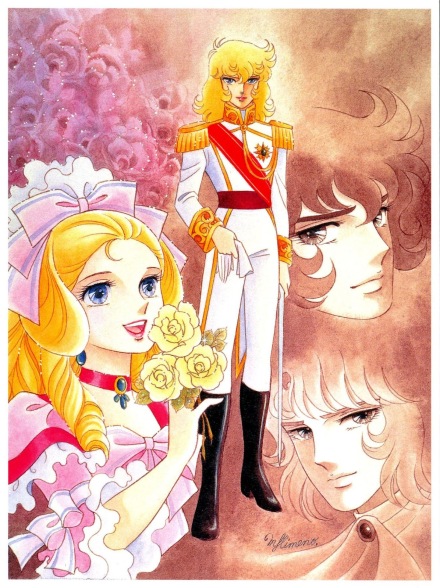
So I partially lied above when I claimed that history itself was acted out directly for this work. From the incredible mind of its creator Riyoko Ikeda, Oscar François de Jarjayes is the main character brought to life by the story. Historically, “he” is a man who will, for this story, be a blend of many other significant figures in the revolution. Born to a noble house in need of a male heir, Oscar, a woman, is raised to be a man of valor, vigilance, and vitality, a new kind of “character trope” which will eventually be coined as the “strong woman.” A loyal knight and dear friend of Marie Antoinette’s, Oscar serves her beloved France like a hearth for a mansion, neither wavering in spirit nor charisma in front of the rich and poor alike. Like the scrolls call for, however, Antoinette, a redeemably innocent girl at first, will eventually lead the throne into further corruption, to which Oscar must take a stand for the glory of France – the people – or for her beloved crown in the palace Versailles.

Want to know how to spoil the anime for yourself? You cannot. Versailles is unique because knowing how it ends works in its favor, similar to adaptations of “Romeo and Juliet” or “Animal Farm.” It’ll start with Antoinette’s arrival to the pristine palace and end with her untimely beheading, just how we know it. Even if you knew each of the dirty bits surrounding the revolt, such as the “Affair of the Diamond Necklace” and the terrible folks that manipulated and crushed others to secure a cushy seat in the palace, this anime, though still about the revolution and its events, has another objective: Oscar. She alone is worth watching this series for.

A rose of many thorns, Oscar is cast with a terrible fate from the get-go. Jarjayes needs a male to succeed his place, so BAM, Oscar, you are now his son. Also, buddy, you’ll have to struggle against being a man for the public yet a woman for yourself. Your heart will be torn to pieces by your own prickly thorns as you choose between a fellow knight of honor from a foreign land, or your childhood mate who has always had your back, but never both. Your highness, whom you cherish like a baby sister, will learn from evil influences, and it’ll become impossible to manage both her and your own image. Finally, your homeland will succumb to the invincible flames of the revolution – Flames which burned you for many years beforehand because Versailles – the place you call home – is ultimately a royal hell on this cruel Earth. Yet, you knew all of this, and you still must choose: Be red, or fade to white.

“Ching.” That’s what a sword sounds like.

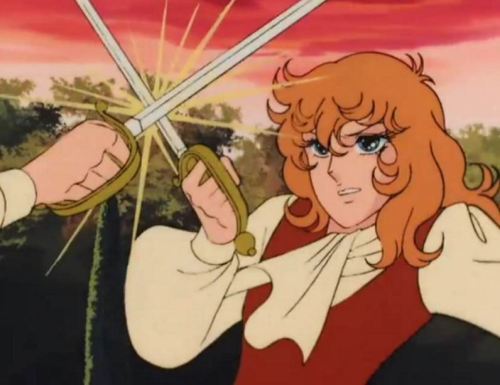
This is the technical part of this review, introducing features like animation, sound, and voice acting. On the animation front, 1979 sure does hurt! The over-effective glitter during these original shoujo moments is quite much, and the ridiculous, lackluster sword fights do not do much to help the cause. Some awfully cringey facial expressions and spoon-fed symbolism also are a drag. As I said, 1979 hurts, but maybe that is where part of the magic stems from. The aging quality Versailles carries brings in strange emotions like disgust and lust alike, and while I still push for a four-part film series remastering the entire series by Ufotable, I could just as well endure this and admire one of anime’s earliest masterpieces. It is one of those, “Laugh now? Hah, you’ll be on your knees begging for mercy later.”

In the sound department, I sigh internally. You can practically make out a man exclaiming “Ching!” with every sword clash. The over-dramatic echoing effects of shattering glass and collapsing bodies also gave me annoyed shivers. It helps, however, when Versailles walks home with one of the musical soundtracks ever. The OP “Bara wa Utsukushiku Chiru” drawing the comparison between Oscar and a rose, the ED “Ai no Hikari to Kage” depicting her struggles with romance and feminine life, and all of the fantastic tracks in between set a strong stage and leave a solid impression on what true shoujo drama should sound like.

Capture

The show was also never given an English dub – Good thing it will never need one. I am not one to nitpick with Japanese acting, as I sadly do not speak the language, but by God, when Oscar asks for a leave of absence you damn well give her one! Where the visuals could not lift the show, the acting brings all of Versailles’s drama to life.

Why bother reliving the past?

It is arguable the French Revolution started because human beings are inherently evil people, and that all people are born equal. Those who oppose drink their half-full glasses knowing that humans are beings which can reflect on their mistakes to better themselves and the world. The Rose of Versailles masterfully captions both of these viewpoints and reiterates them in a powerful soap opera for anime fans. Portrayal of the female spirit in the ladies of Versailles and of the slums adds additional gold foil to a solid foundation. Melodrama is an enhanced asset that the show flaunts gloriously, and its execution is impactful on a very deep emotional level, given the short time it takes to adjust to the production quality. Just, DO NOT LET THE ANIMATION FOOL YOU, PLEASE.

Lastly, the cast of this historical “story” is just us living in another time, a barbaric fantasy which seems eons ago. The only difference is that this current humanity does not need fancy balls and lavish candelabras to vent its frustration. The Rose of Versailles is not for all, but all for one. In other words, with its age, shoujo background, cheesy moments, and 40-episode run, it is clearly not for everyone; however, it is more than willing to fight for the good of the cause, and for justice everywhere. Its realistic quality and well-researched plot should also give most history buffs a run for their money. Heartwarming and heartbreaking, this is a classic for a reason, and as such should be adorned at your nearest convenience.

“Love can lead to two things: the complete happiness, or a slow and sad agony.”

“No, no, Oscar. For all I know, love only leads to a slow and sad agony.”

                                                       – Oscar to Fersen

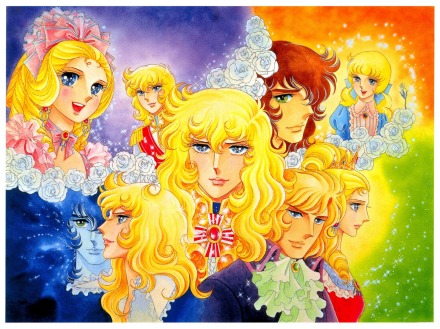
Nozomi Entertainment’s two LTD ED boxsets sit with poise and elegance on my shelves, awaiting my return to a dark period in human history just so I can re-emerge enlightened and exhausted. I thank you for spending the time to read through my thoughts, and I do hope you feel the urge to suddenly dip into this classic! I’m not sure if you will pick up on this, but this review was once again done in a different fashion. One change is trying to put a piece of fan art that took out of the experience. Do you prefer this new format over the old one? How about your own thoughts on The Rose of Versailles? Was the masterpiece story enough to sideline the iffy visuals for you, or not? As always, let me know in the comments, waltz on over to that like button if you enjoyed the review, and until next time, this has been

– Takuto, your host

Tags: Anime, Berusaiyu no Bara, Oscar François de Jarjayes, Reverse Trap

Like and share and maybe, just maybe, Ufotable will hear Lady Oscar’s pleas~!


Rokka Ushers in a Fresh and Bloody-Fantastic Fray | Review

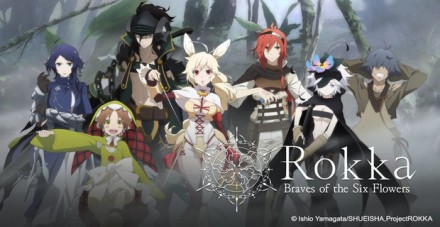
A spoiler-free review of the 12-episode summer 2015 anime “Rokka no Yuusha” or “Rokka: Braves of the Six Flowers,” produced by Passione, based on the light novel by Yamagata Ishio.

 – View in browser, not app, for best experience –

Whenever you’re out driving, do U-turns scare you? Oh man, they do me in. Usually swift and unannounced, what was the car ahead of me casually cruising along suddenly burns rubber and whirls around to oppose me.

So maybe I’m dramatizing U-turns a bit (also, they’re probably illegal in most areas), but doesn’t that abrupt 180-degree flip potentially ruin a nice drive? Well, if the other driver knows exactly how to pace it, direct it, and drive it on home, then no, not at all.

That’s what Rokka here did, and boy was it a spectacular turn.

setting

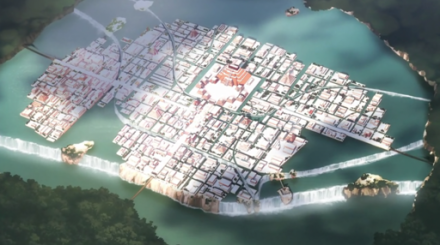
This setting is gorgeous.

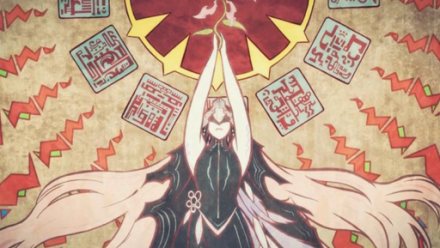
Long ago when the Demon God plagued the world with darkness, the Goddess of Fate came down and sent the demon back into the shadows – Not before splitting her powers amongst six heroes, though. Now in a present-day yet still fantasy-Aztec land, the Demon God has awoken numerous times, only to be quelled time and again by new rotations of these “Heroes of the Six Flowers.”

legend

adlet.PNG

See? Not lying at all.

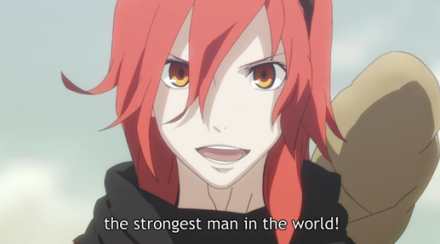
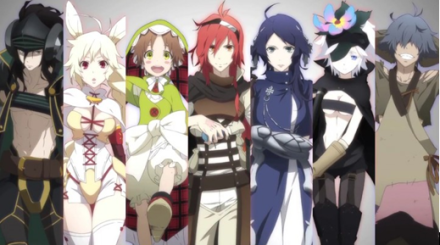
The self-proclaimed “strongest man in the world” Adlet has been selected to be one of these six braves. To prevent the Demon God’s next return, the six heroes band together and venture into the dark lands in hopes that they will save the wor–

Woah woah, slow down there. It sounds like a feasible action/adventure anime thus far, but right after episode four, it’s time to slam the breaks – Rokka wants a complete change of pace. What happens to our heroes?

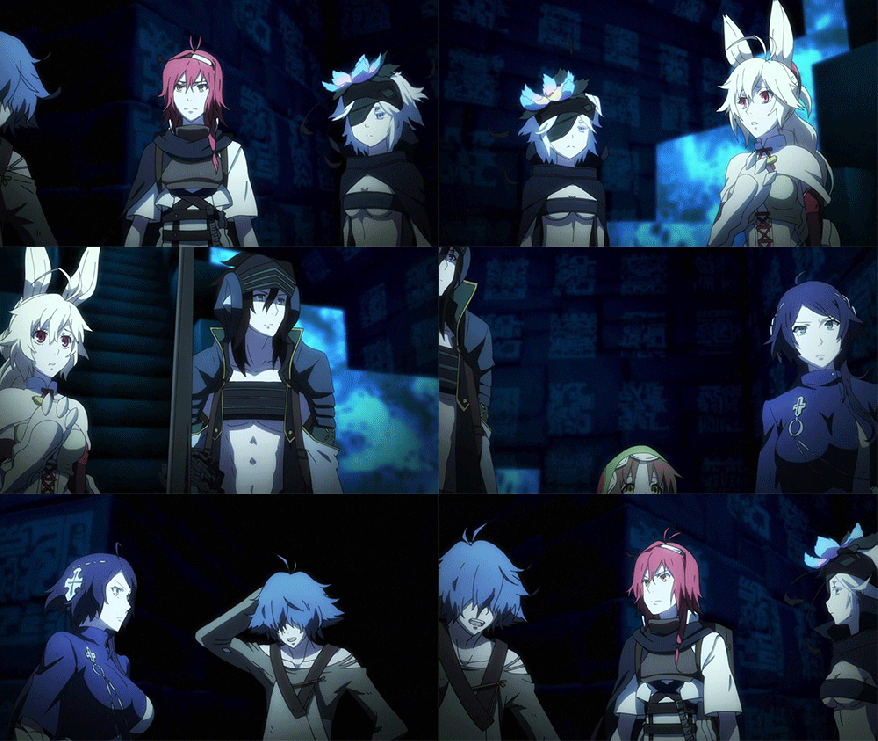
Nothing. All seven meet up at the rendezvous point before plotting their attack. Wait . . . I thought there were just six braves . . .

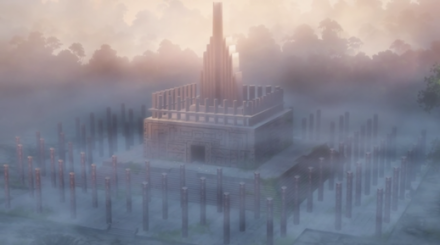
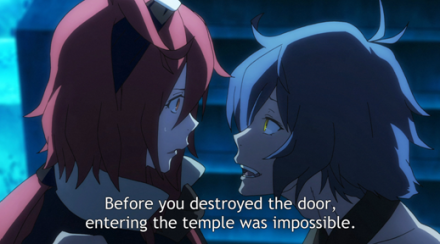
There are. A magic barrier goes up around the temple, thick fog fills the air, and everyone is trapped in. Someone is an imposter

seven not six

If that’s not a 180-degree flip, then I’m not sure what is (I get chills just reading it). Rokka spends the first third showing off its heroes and their skills as such. It acts like your normal fantasy anime but then decides to try something new. The introduction of mystery to the fantasy/adventure genre is something I’ve never seen before. And through its fresh direction and pre-establishment of the cast, it moves forward without hesitation.

squad goals.PNG

Squad goals.

The sheer amount of suspense that Rokka builds up is absolutely incredible. Its clever hashing-out of your typical fantasy party members makes it a hot game of Dungeons & Dragons runnin’ around on the Clue game board. You wanted adventure? Not anymore. Take this murder mystery instead because it’s cooler. The gimmick works so well because we know these characters – All we have to do is roll the dice and start throwing accusations. You’ll have so much fun watching your options drop out as the game soars to its climax.

temple.PNG

Spooky spooky ~ Who is the Seventh???

As a side note, I was a bit spoiled by the identity of the fake, but even that didn’t faze me. Seeing how all of the clues slid into place and watching the insanity unfold gave me more than my fill of entertainment. The anime still kept me guessing to the very end, regardless of those damn trolls. That goes to show how exciting Rokka is.

hans.PNG

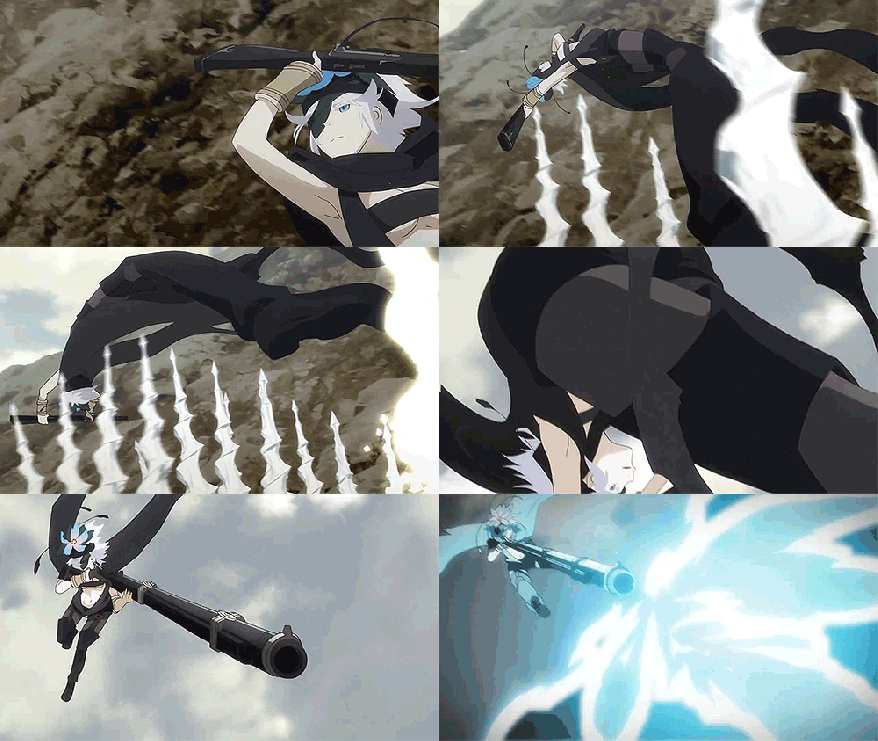
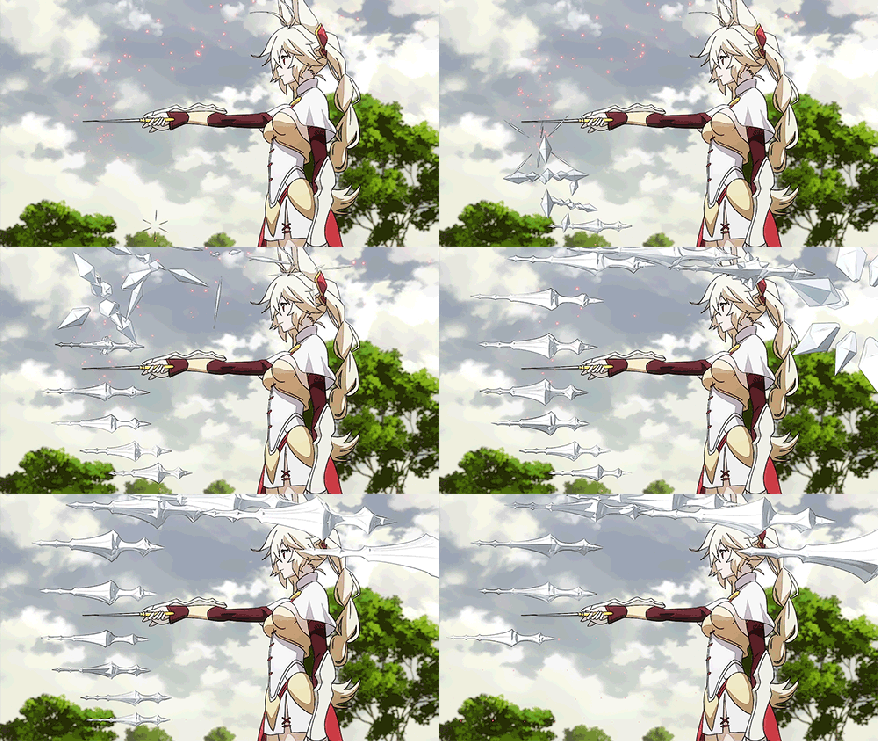
I have to mention the studio behind this anime because their name was completely new to me: Passione. I was 100% impressed by the superb animation quality and fantastical artwork. Due to the unusual yet intricate designs of each hero and their unique repertoire of arms, action scenes were bloody intense and wicked smooth.

fremy

nachetanya

“I am the bone of my –“ Not now? Oh, okay.

For music, we had the reoccurring yet beloved fantasy artist Oshima Michiru (FMA, Sora no Woto) who filled the still, foggy air with an engaging score. Of its many OPs and EDs, my favorite was “Secret Sky” by MICHI for being everything I listen for in this wonderful genre.

https://www.youtube.com/watch?v=lf13gKeZOW4

With puzzling motives, characters we’ll all recognize, and shocking plot twists at each episodes’ end, Rokka no Yuusha was without a doubt 2015’s hidden gem. The only reason you don’t remember this title was because you stopped after episode three.  Rokka‘s not without its flaws, however: Some less-major characters could have used more backbone, the opening is admittedly a bit slow, but biggest of all – This is ultimately only a preview into Rokka‘s grand scheme, and as such leaves us with jaws dropped begging for a sequel. I hate this. Don’t worry, we still get an ending that ties all of this up, but for those wanting to know how the legend ends better start supporting the franchise.

You should watch Rokka: Braves of the Six Flowers because it’s something new. It takes a wild idea and runs hella far with it, leaving you clinging on for your dear life! Fans of the adventure genre especially won’t be disappointed with Rokka‘s new entry to the fray.

“That’s the first thing my master taught me. To laugh.” – Adlet

+ Despite being abrupt, fantastic new direction taken with strong, clever writing

+ suspense, Suspense, SUSPENSE

+ Studio Passione did an incredible job putting everything together

– ‘Supporting’ heroes could have been given more background, little more depth for all

– Unfavorable localization (Ponycan’s ridiculous prices without an English dub)

– Cliff-hanger ending = WE NEED MORE ROKKA, DAMMIT

poster

Now, I’m still cautions with those U-turners, but Rokka really impressed me guys. It’s a solid “Caffe Mocha” in this little establishment, but again, you should spread the word so we can eventually devour more! You can watch the entire anime on Crunchyroll for FREE if that site is available to you, to which I recommend “full speed ahead.” I only cry because Ponycan USA is releasing this epic without a dub. If you took a liking to my tentatively new and less-wordy format, let me know by hitting that “like” button and commenting below. It helps me immensely! Thank you all for reading and as always, until next time this has been

– Takuto, the Seventh Brave

Yona of the Dawn Review

Late into the simulcast season I decided to pick this one up and boy did I make the right decision! Today, let’s dive into the soft and beautiful world of “Akatsuki no Yona: The Girl Standing in The Blush of Dawn.”

Sheltered yet joyful Princess Yona was having a great day. Her birthday was right around the corner, and the love of her life, the charming Soo-won, was visiting the Kohka Kingdom. Before she could tell her gentle father the king of her unrequited love, however, she witnesses the man she loves sinking a knife into the king’s chest – her father was assassinated. Confused, upset, and torn apart by the dreadful betrayal, the red-haired Princess Yona flees the palace with her loyal servant Hak.

On her journey to renew the kingdom by befriending the four dragons, AKA beautiful boys, she realizes that while the late king prohibited violence, there were many who were suffering during this time. Yona finds the determination to protect her people, taking up the sword and bow with unwavering spirit.

Here’s the interesting bit though: While the cunning Soo-won brutally killed Yona’s father, he did so to protect the kingdom. Sure he is labeled as the “antagonist,” but his motives might be more pure than we think, as he pops in and out of the story curing the problems of villagers and rekindling the kingdom’s faith . . .

Yona of the Dawn follows a simple premise. Find the four dragons, stop the new king, and save the world. Fans of Avatar: The Last Airbender or Tales of Symphonia might enjoy Yona for its traditional journey setting, though it’s not as near as grand.

Other than its somewhat boring and overused plot, another beef I have with this show was the unsatisfactory ending. If a season two is confirmed, then I immediately withdraw this complaint. Otherwise, it’s ultimately a prologue for something magnificent. “As the heroes, now all assembled, stand by the cliff’s edge with weapons in hand, the king’s army appears on the horizon” – kind of ending. Seriously, the last dragon boy is introduced in the final episode . . . there better be a sequel.

Princess Yona is a beautifully dynamic character. She starts off as the typical fragile, pampered princess but gradually develops into a fierce and brave fighter – one to be feared! I thought Yona would be plain at first, but heck no – she’s on FIRE! Such a great independent girl woman.

Her smartass companion Hak is a badass, too. Swingin’ his glaive around, knocking down enemies left and right, he also harbors a very intimate side with Yona . . . it’s almost as if he can’t hold it back . . . but that’s more to follow up with in the hopeful second season.

Young “protector” of the clumsy oracle is Yun, one of the more invest-worthy characters in the series. Standing as a child who grew up during the late King II’s weak reign, Yun was hit the hardest during these poor times. Flash forward to the present and the acclaimed “bishonen” speaks with sass and a quick-temper. His growth continues as he crosses paths with royalty in the form of the Princess, whom he despises at first, but grows to love more than anyone else. :3

The charming dragon boys + Hak and Yun remind me so much of the Host Club from Ouran High School Host Club. Their conversations with each other are quirky and comical, yet they also have fantastic solo moments and tragic stories. Though these lovable dudes don’t live up to Ouran’s standards, they’re still pretty fun to watch! Heads up that the jokes are pretty stale. Just saying.

The art is pretty decent. Combat scenes are done smoothly and character designs are ornate. Specifically speaking, the animation used for Yona’s flowing red hair contrasts brilliantly with the background. Add that with her angry violet eyes and you literally have the dawn striking your heart.

The OST supports the theme of the anime immensely. The first opening and main theme “Akatsuki no Yona” by Ryo Kunihiko is SOOOOO TRADITIONAL AND GORGEOUS. Second OP, “Akatsuki no Hana” by Cyntia is a bit spunkier, complimenting the action and twists driving the show. To calm down is “Akatsuki” by Akiko Shikata (one of my fav artists), reflects the oriental atmosphere. Great songs!

Yona of the Dawn starts off a bit slow, but grows into an adventurous drama about a girl reclaiming her torn-apart kingdom. The varying characters help to lighten the mood, but sometimes their constant antics ruin serious moments. It’s a give-and-take gimmick, but otherwise, they make you chuckle. 😀

Yona of the Dawn offers enjoyable characters and a heartwarming story. I only wish the adventure would continue, and I have a strong feeling it will. This anime is a hidden pleasure, giving you all kinds of feels and wrapping up everything nicely; no noticeable plot holes besides a necessary continuation of this goddamn beauty! Shojo or reverse harem fans, go Yona of the Dawn. It takes a bit to get its motor started, but after that it’s pure satisfaction. Even if you don’t care for the more shojo bits, there are plenty of great sword fights and a very original second half in store!

“I am the proud princess of Kouka Kingdom, so I should not complain but do something about it myself.” – Yona

This review was a bit shorter than my usual ones, but there’s not much else to say! I can’t wait for a home video release by FUNimation. Thanks for reading and slice that like button to pieces if you liked my review (LOL)! Until next time, this has been
– Takuto, your host